







GENEVA — In a major global effort to strengthen health information systems and improve population health outcomes, the World Health Organization (WHO) has officially announced a new, comprehensive approach to expanding access to life-saving data. Known as the SCORE for Health Data Technical Package, the initiative arrives at a critical juncture as nations worldwide continue to grapple with the unprecedented challenges of the COVID-19 pandemic.
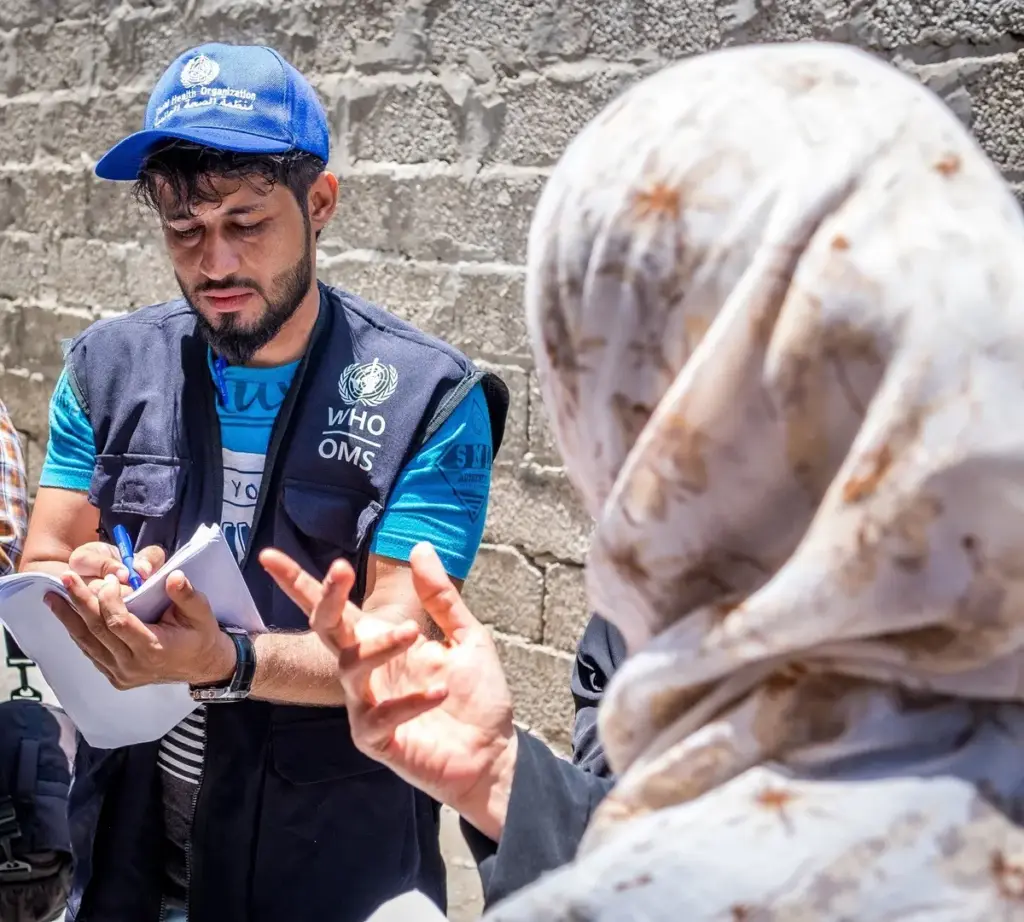
The ongoing global health crisis has laid bare an urgent, systemic vulnerability across numerous nations: the lack of timely, reliable, and actionable data required to drive strategic health interventions. According to the WHO, far too many countries still lack both the foundational infrastructure necessary to routinely gather health data and the specialized analytical capacity required to translate that data into effective public health policies and emergency responses.
"Countries must be able to measure progress to make progress," emphasized WHO Director-General Dr. Tedros Adhanom Ghebreyesus, highlighting the core philosophy behind the newly unveiled framework. "Particularly during COVID-19, reliable data is the best way to coordinate response efforts and improve health in all areas."
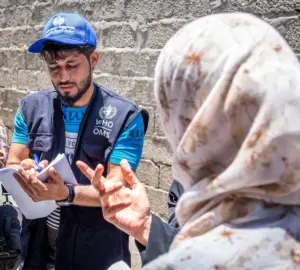
Accurate health data serves as the bedrock of modern public health management. It is fundamentally necessary for governments and health agencies to understand specific, localized country needs in order to improve overall health outcomes and save lives. Furthermore, precise data collection and analysis help direct critically scarce financial and material resources to the exact geographic areas and vulnerable populations where they are needed most.
Designed to address these persistent challenges, the newly introduced SCORE Technical Package—which stands for Survey, Count, Optimize, Review, and Enable—aims to radically improve the availability of timely, reliable, validated, and comparable health data across the globe. For the very first time, the initiative brings together all the key elements required for optimized health information system performance into a single, harmonized package. In practical terms, SCORE is designed to help governments around the globe set rigorous benchmarks and continuously improve standards in healthcare delivery.
The development of the SCORE package comes as a direct response to the glaring data availability and infrastructure gaps highlighted in the WHO World Health Statistics 2020 report. To bridge these gaps, the technical package incorporates more than 90 universally accepted tools and standards specifically curated for health information system strengthening.
The initiative has also drawn strong backing from key international public health partners. The WHO has partnered with the Bloomberg Philanthropies Data for Health Initiative to deliver this vital resource to member states.
"Using data to inform public health priorities and strategies has never been more important," said Dr. Kelly Henning, Director of Public Health Programs at Bloomberg Philanthropies, acknowledging the financial and technical support provided to bring the project to fruition. "The SCORE Technical Package provides country governments around the world with high-quality, essential technical guidance so that countries can strengthen their own data systems." WHO officials have expressed deep pride in collaborating with the Bloomberg Philanthropies Data for Health Initiative to deliver this timely resource to countries in need.
The initial rollout of the package includes foundational documents meant to immediately assist national health authorities in evaluating and upgrading their statistical capabilities. Behind this rollout is an absolute urgency driven by public health experts who witness firsthand the fatal consequences of inadequate data tracking.
"We must keep score to save lives," added Dr. Samira Asma, Assistant Director-General for Data, Analytics and Delivery for Impact at WHO. "WHO is committed to working with countries and partners to rapidly scale up capacity for data collection and use in order to improve policy and performance."
Dr. Asma underscored that the global community must act immediately to invest heavily in national statistical systems, not only to mount a comprehensive response to the ongoing pandemic, but also to meet the ambitious Sustainable Development Goals (SDGs) and the WHO’s own Triple Billion targets. Warning that the global window of opportunity is rapidly closing, she stressed that the international community cannot afford to wait to address entrenched data gaps, and that leveraging data to address specific country needs must remain an absolute top priority today.
Moving forward, country-owned and disaggregated data will be essential for building more resilient, equitable, and sustainable health systems. The COVID-19 pandemic has served simultaneously as a harsh wake-up call and a stark reminder of the complex structural challenges that the international community still has to address. Yet, public health leaders maintain that the crisis also represents a unique and powerful opportunity to build back better through global solidarity, transparent information-sharing, and close collaboration.
The SCORE package stands as a prime example of how a collaborative, multi-lateral approach can directly benefit individual nations by providing a common, standardized set of tools rooted in shared global standards. The package has been intentionally designed to be practical, actionable, and flexible enough to adapt to diverse national contexts, reinforcing the foundational truth that the global fight against COVID-19 and future health emergencies can only succeed if nations work together.
Future components of the comprehensive SCORE Technical Package are scheduled for release later this year. These upcoming additions will include the SCORE Assessment Instrument alongside global, regional, and country status reports. Together, these forthcoming tools will provide a complete, end-to-end package of information empowering governments to effectively plan, execute, and monitor progress against national and subnational priorities, as well as broader global health targets.