








WASHINGTON, DC — As the federal budget debate continues to take center stage in the nation’s capital, early childhood advocates are welcoming the release of the White House’s spending blueprint. ZERO TO THREE, the nation’s leading early childhood development nonprofit dedicated to ensuring all infants and toddlers have a strong and healthy start in life, has expressed strong encouragement regarding President Biden’s proposed fiscal year 2025 budget. The organization highlights that the administration’s spending plan incorporates essential and much-needed funding for critical programs designed to build a solid foundation for young children and their families across the United States.
According to leadership at the prominent nonprofit, the newly released budget proposal addresses several systemic gaps in early childhood support, offering a comprehensive vision for the future of American families.
"If implemented, President Biden’s budget released today will make our nation a better and fairer nation to have and raise a baby," said Miriam Calderón, Chief Policy Officer at ZERO TO THREE.

Calderón noted that the organization has long urged Congress and the administration to prioritize the unique and foundational needs of babies and their families across five key policy areas: maternal health, infant and early childhood mental health, child care, housing, and economic security. These pillars form the core of ZERO TO THREE’s ongoing advocacy efforts, particularly highlighted in their comprehensive resources and initiatives such as the State of Babies framework.
The administration’s budget blueprint arrives on the heels of the recent State of the Union address, where the President outlined a broader path toward a future where working families are increasingly empowered and given meaningful choices regarding their children’s development and well-being. Advocates point out that the proposed fiscal year 2025 budget expands directly upon that vision, translating high-level policy goals into concrete funding proposals that touch upon virtually every facet of infant and toddler development.

In evaluating the sweeping proposal, early childhood experts emphasize that the earliest years of a child’s life represent a period of rapid brain development that lays the groundwork for all future learning, behavior, and health. Consequently, investments made at the federal level during this critical window carry profound, long-term implications for society as a whole. By targeting key areas such as affordable child care and comprehensive maternal healthcare, the administration’s budget aims to ease the immense financial and logistical pressures facing modern parents.
The focus on infant and early childhood mental health is viewed by advocates as a particularly vital component of the proposed spending plan. Mental health support during the earliest stages of life acknowledges that babies absorb and are deeply affected by their environments, relationships, and the well-being of their primary caregivers. Strengthening support systems for maternal health directly correlates with healthier developmental outcomes for infants, creating a continuous circle of care that begins long before a child enters a formal classroom setting.
Furthermore, the integration of economic security and housing stability into the administration’s early childhood strategy recognizes a fundamental reality of modern parenting: a child cannot thrive if their family is constantly navigating the trauma of housing instability or severe financial distress. By addressing these foundational social determinants of health, the proposed budget takes a holistic approach to supporting the nation’s youngest citizens.

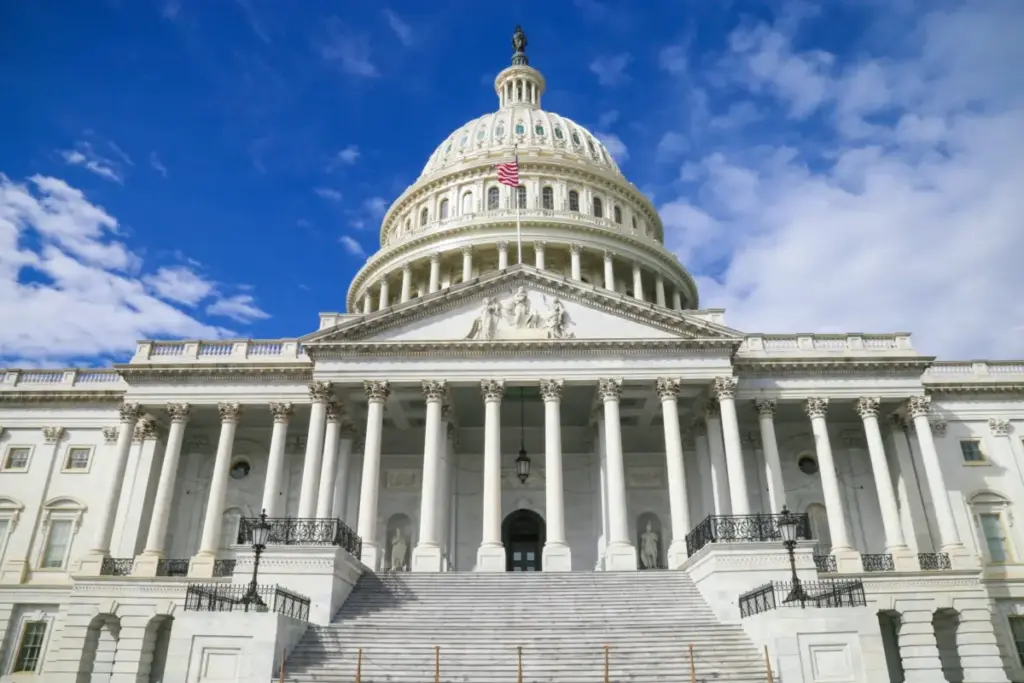
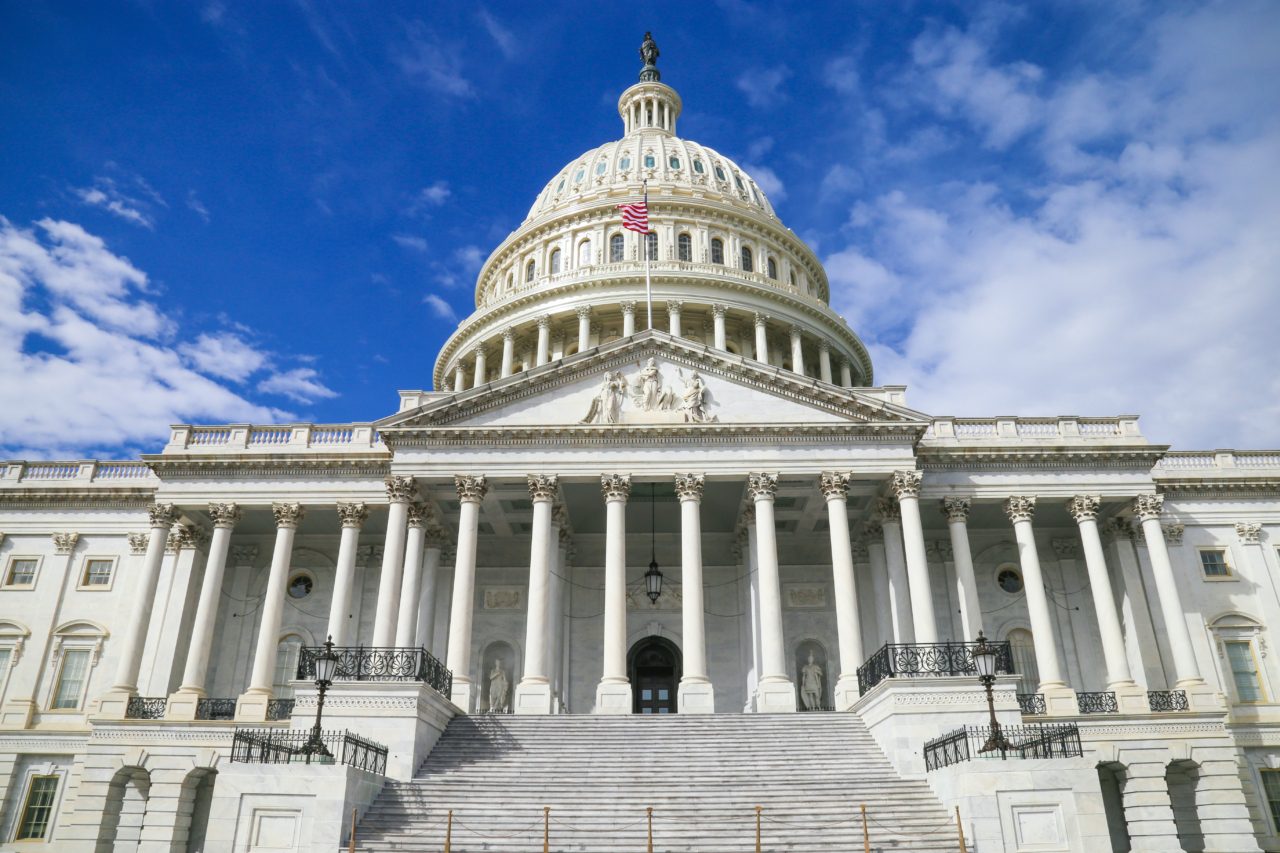
With the release of the budget officially marking the beginning of the annual federal appropriations process, attention now shifts squarely to Capitol Hill. The realization of these proposed investments depends entirely on the willingness of lawmakers to champion the needs of infants, toddlers, and their families during legislative negotiations.
"Now, Congress must work with the Administration to deliver for families and babies," Calderón continued, emphasizing the urgent need for bipartisan cooperation and focused legislative action. "We look forward to working with Congressional appropriators and our baby champions on the Hill to make these bold proposals a reality."
As congressional committees begin reviewing the fine details of the fiscal year 2025 budget, ZERO TO THREE and its coalition of early childhood advocates plan to continue engaging policymakers. Their objective remains focused on ensuring that the voices of infants and toddlers—who cannot advocate for themselves—are heard loud and clear throughout the legislative process, securing a brighter, more stable future for the next generation of Americans.