



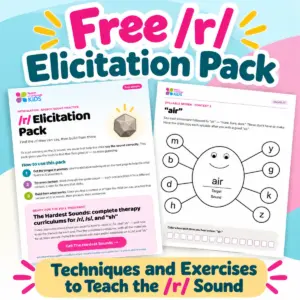



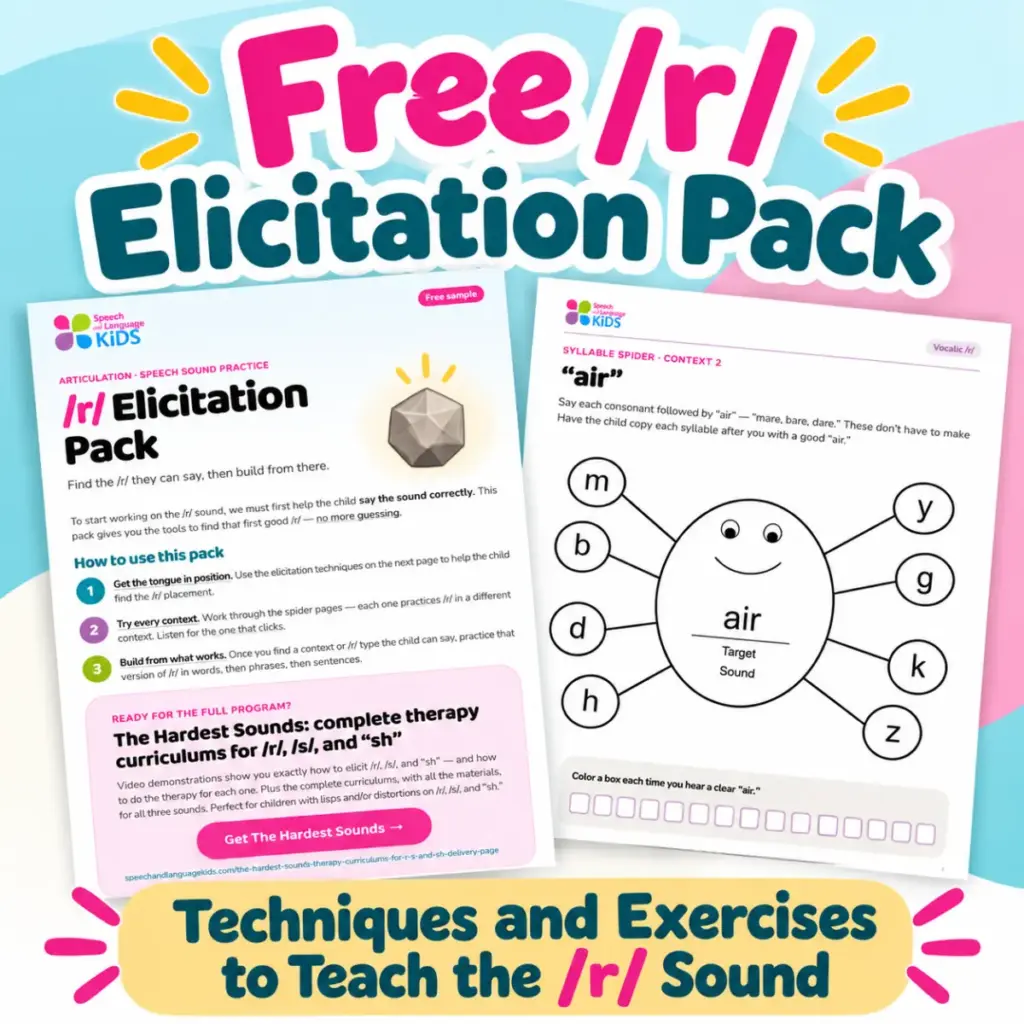
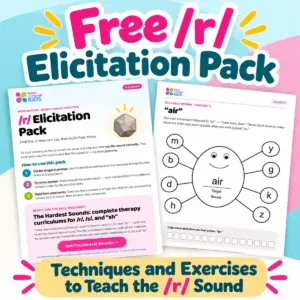
In the specialized field of speech-language pathology, few phonemes present as persistent a challenge as the /r/ sound. Known for its complex articulatory requirements and its high variability in production, the /r/ sound is frequently the final hurdle for children and teenagers progressing through speech therapy. Recognizing the widespread need for more accessible and effective teaching tools, a new resource—the /r/ Elicitation Pack—has been released to provide clinicians, educators, and parents with structured strategies to navigate this difficult sound.
The complexity of the /r/ sound lies in its physical invisibility and the nuanced coordination required by the tongue, lips, and jaw. Unlike sounds such as /p/ or /m/, which rely on visible contact between the lips, /r/ is produced deep within the oral cavity. This makes it notoriously difficult for students to visualize or mimic. For many children, the internal mechanics of the mouth—specifically the precise placement and tension of the tongue—remain an abstract concept, leading to prolonged frustration during the therapeutic process.
The release of the new elicitation materials arrives at a time when speech-language professionals are increasingly seeking evidence-based, practical methods to bridge the gap between initial instruction and consistent production. According to the developers of the new pack, the cornerstone of successful intervention lies in the elicitation phase. This critical period involves helping a student develop a stable, isolated production of the sound before transitioning to more complex tasks, such as incorporating the phoneme into syllables, words, or conversational sentences.
The Challenge of Articulation Therapy
Speech therapists often characterize the /r/ sound as one of the "hardest" to acquire because it requires a degree of proprioceptive awareness that many children have not yet developed. Because the articulators must be positioned with such high precision—often involving a subtle "bunching" or "retroflex" tongue movement—slight inaccuracies in placement result in a sound that does not match the target.
This inherent difficulty often leads to a cycle of trial and error that can be demoralizing for both the child and the practitioner. The traditional approach to therapy involves extensive repetition, but without the correct foundation established through proper elicitation, that repetition can inadvertently reinforce incorrect production habits. By focusing on the elicitation phase, the newly released resources aim to provide a more targeted approach, emphasizing the importance of getting the articulators in the correct position from the outset.

The provided instructional materials, which include both video demonstrations and supplementary worksheets, are designed to demystify the mechanics of speech. By breaking down the sound into manageable components, the curriculum aims to help students gain a clearer understanding of what their tongue and mouth should be doing. The video resources serve as a visual aid, allowing students to observe the process in a way that static text cannot always convey. This multi-modal approach is designed to cater to different learning styles, ensuring that children and teens have access to both visual and tactile strategies.
Expanding the Scope of Speech Intervention
While the /r/ sound remains a primary focus of the new materials, the developers have acknowledged that the challenges often extend to other phonemes. Speech therapy programs frequently encounter similar roadblocks with the /s/ and "sh" sounds, which, like /r/, require precise airflow management and tongue placement. To address these broader needs, a comprehensive "Hardest Sounds" curriculum has been developed to accompany the more specific /r/ elicitation tools.
This broader curriculum represents a shift toward a more structured, long-term approach to phonological intervention. By integrating these three sounds into a unified program, the curriculum aims to provide a consistent framework that can be applied in both clinical settings and home environments. The inclusion of home-based resources is particularly significant, as speech therapy progress is often accelerated when parents are equipped with the knowledge to reinforce skills outside of formal sessions.
The "Hardest Sounds" program is built on the premise that speech therapy should not be an isolated experience but a collaborative effort. By providing parents and caregivers with clear instructions and exercises, the program aims to make the practice phase less daunting. This is particularly relevant for families who may not have daily access to a speech-language pathologist and must rely on guided practice at home to maintain momentum.
Integrating Technology and Traditional Techniques
The use of digital tools and online resources has transformed the landscape of speech-language pathology in recent years. The current release leverages this trend by combining downloadable worksheets with video-based demonstrations. This hybrid model allows for a more flexible delivery of information, enabling users to move at their own pace.

For the student, the variety offered by these materials is essential for maintaining engagement. Repetitive drill work can often lead to burnout, particularly for teenagers who may feel self-conscious about speech therapy. By offering a range of exercises that focus on the mechanical aspects of the /r/ sound, the new pack provides a necessary shift in focus from "getting it right" to "understanding the movement." This nuance is vital for long-term success; when a student understands the "why" and "how" behind a sound, they are better equipped to self-monitor and correct their speech in real-world settings.
The release of these resources highlights a growing recognition that specialized sound training requires more than just standard practice sheets. It requires a sophisticated understanding of the anatomy of speech and the psychological aspects of learning to communicate clearly. As speech-language pathology continues to evolve, the demand for accessible, professional-grade materials that can be easily integrated into diverse learning environments is expected to grow.
Looking Ahead in Speech Therapy
The ongoing development of resources like the /r/ Elicitation Pack and the "Hardest Sounds" curriculum underscores the dedication of the speech-language community to overcoming the persistent hurdles of phonological development. By focusing on the foundational aspects of sound production—specifically the elicitation of difficult phonemes—practitioners are better positioned to help students achieve lasting results.
Whether utilized by a seasoned clinician looking for new ways to explain complex movements or a parent assisting their child with daily practice, these tools provide a structured, evidence-informed pathway to progress. The emphasis remains on consistency, clarity, and the empowerment of the student. As these resources become more widely available, they represent a significant step forward in simplifying the often-complex journey toward clear and confident speech, ensuring that even the most challenging sounds, such as the /r/, are within reach for every learner. The transition from struggle to success, while often gradual, is made significantly more attainable when the right strategies are placed directly into the hands of those who need them most.