






For many speech-language pathologists, parents, and educators, the /r/ sound remains one of the most formidable hurdles in articulation therapy. Often described as one of the most complex phonemes in the English language, its production requires precise tongue placement and sophisticated motor control that can be notoriously difficult to teach to children and teenagers. Because the mechanics of the sound are largely hidden inside the mouth, visual modeling is limited, leaving both the student and the instructor to rely on abstract cues that may not always lead to success.
Recognizing these challenges, new professional resources have been introduced to provide a structured, evidence-based approach to teaching the /r/ sound. By focusing on the foundational stage of elicitation, these resources aim to provide a more intuitive path for students to master the sound before attempting to integrate it into conversational speech.
The Challenge of Elicitation
The primary obstacle in teaching the /r/ sound lies in its inherent complexity. Unlike sounds that involve visible lip or tongue contact—such as /p/, /b/, or /t/—the /r/ sound relies on subtle adjustments of the tongue’s body and its relationship to the roof of the mouth. Because these movements are difficult to observe directly, many children struggle to replicate the specific shapes required to produce the sound accurately.
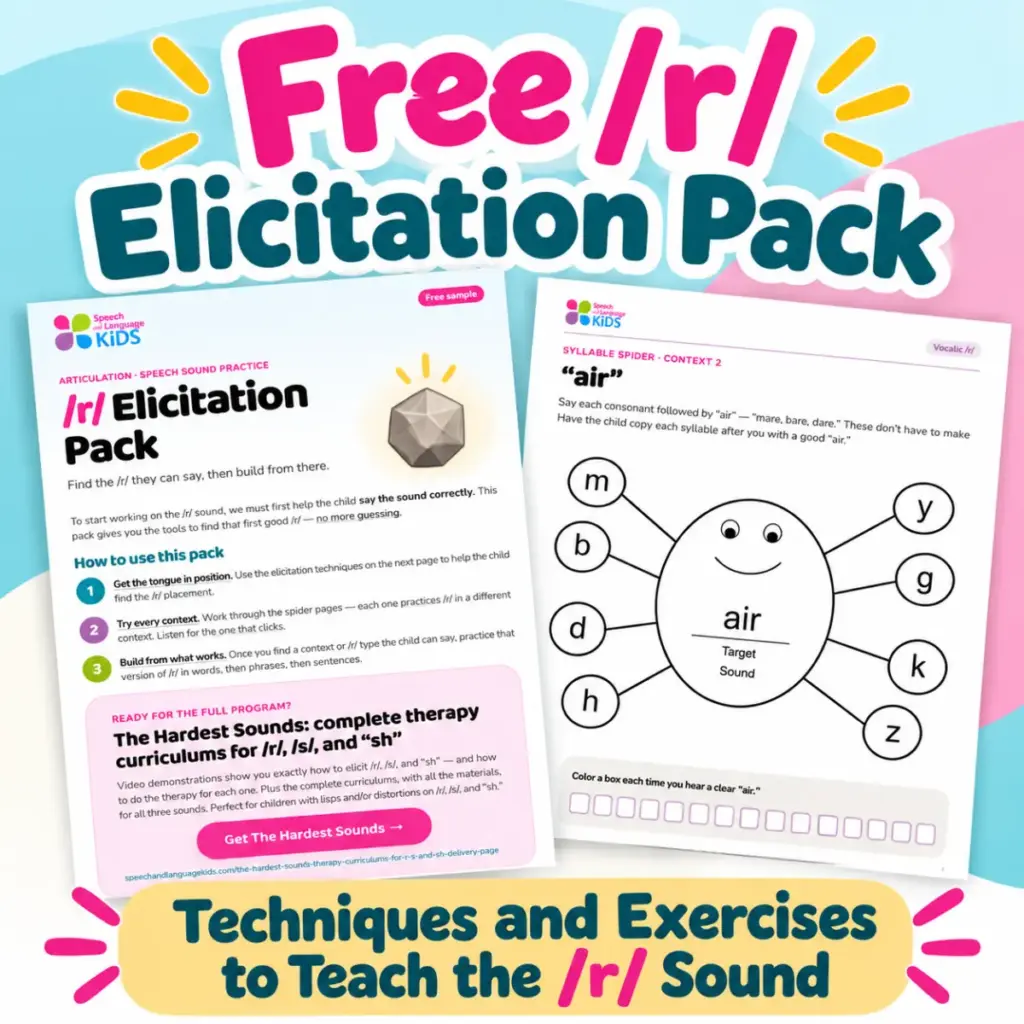
In clinical practice, the initial phase of therapy, known as elicitation, is critical. This phase involves helping the student identify the correct motor movements necessary to produce a stable, consistent sound in isolation. Without this solid foundation, attempts to move toward word-level practice often result in frustration for the student and slower progress for the clinician. The goal, therefore, is to move beyond trial-and-error methods and provide actionable strategies that allow students to “feel” and "find" the sound within their own vocal tract.
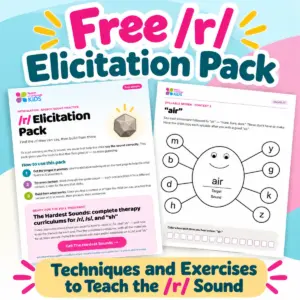
To address these hurdles, a new /r/ Elicitation Pack has been made available, offering a suite of techniques and exercises designed to demystify the sound. By providing specific, structured approaches, the pack seeks to bridge the gap between abstract instruction and physical production, giving instructors a clearer roadmap for clinical intervention.

Integrating Elicitation into Modern Speech Therapy
The move toward more systematic elicitation tools is part of a broader shift in speech therapy, where clinicians are increasingly looking for ways to make complex sounds more accessible. The new resources emphasize that success does not come from a single method, but rather from a variety of strategies that can be tailored to the specific needs of the learner.
In an accompanying video resource, practitioners are walked through various strategies that have proven effective in clinical settings. These strategies focus on sensory feedback, helping the student build an awareness of their oral cavity and the specific muscular shifts required for /r/ production. The emphasis is on building the sound from the ground up, ensuring that the student achieves proficiency in producing the phoneme independently before moving on to more complex linguistic tasks.
By focusing on these foundational steps, the goal is to reduce the time spent in therapy and increase the confidence of the learner. When a student can successfully elicit the sound on their own, it serves as a powerful motivator, providing them with the proof that they are capable of mastering the sound that has previously caused them difficulty.
Expanding the Scope: The "Hardest Sounds" Curriculum
While the /r/ sound is frequently cited as the most challenging, it is rarely the only sound that presents difficulty for students. Clinicians often find themselves balancing the instruction of multiple complex phonemes, including the /s/ and the “sh” sounds. Each of these sounds presents its own unique set of challenges, from airflow management to tongue positioning.
To provide a more comprehensive solution, a full curriculum has been developed to address this cluster of sounds. The "Hardest Sounds" curriculum is designed to provide a cohesive, long-term plan for speech therapy, moving beyond individual exercises to create a full course of study. By grouping the /r/, /s/, and “sh” sounds together, the curriculum allows for a more integrated approach to therapy, whether it is being conducted in a professional clinic or by parents working with children at home.

The curriculum is structured to support the learner through every phase of the process, from the initial elicitation of the sounds to their consistent use in daily speech. For parents and educators, having access to such a structured program can be transformative. It removes much of the guesswork from the therapeutic process, allowing them to follow a logical progression that has been refined through clinical experience.
Moving Forward with Structured Intervention
The integration of these resources reflects a broader industry trend toward providing high-quality, accessible tools that empower both professionals and families. As speech-language pathology continues to evolve, the ability to break down complex sounds into manageable, teachable components remains the cornerstone of successful therapy.
For those tasked with guiding a child or teen through the process of speech correction, the importance of these foundational materials cannot be overstated. By providing clear, repeatable, and effective methods for elicitation, the new curriculum and elicitation packs aim to standardize the path to success.
The focus remains squarely on the student’s journey. By providing them with the right tools, the right language to understand their own movements, and a structured environment to practice, the most difficult sounds in the English language become not just reachable, but achievable. As these resources gain wider use, they represent a significant step forward in the ongoing effort to ensure that all students have the support they need to communicate clearly and confidently.
The release of these materials comes at a time when the demand for effective, home-based, and clinic-based speech therapy resources is at an all-time high. By offering a blend of expert instruction and practical, printable tools, the aim is to ensure that no student is left struggling with sounds that, with the right guidance, can be mastered. The focus on the /r/, /s/, and “sh” sounds ensures that the most common and persistent challenges in speech development are met with clear, actionable solutions that can be implemented immediately, fostering a more positive and productive experience for everyone involved in the therapeutic process.