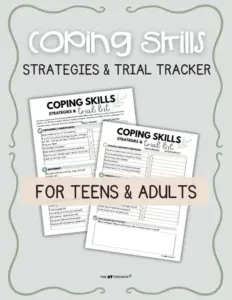

For many speech-language pathologists (SLPs) navigating the modern clinical landscape, the daily routine often involves a fragmented search for effective materials. The reliance on piecemeal resources, frequently sourced from digital marketplaces like Teachers Pay Teachers, has long been a source of professional fatigue and pedagogical inconsistency. Recognizing this pervasive challenge within the field, the team at Speech and Language Kids (SLK) is intensifying its efforts to transition the profession away from disorganized resource gathering and toward a cohesive, structured approach to therapy.
The core of this initiative is the SLK Curriculum, a platform designed to replace the administrative burden of material curation with comprehensive, step-by-step therapy plans. By providing a centralized framework for communication skill development, the program aims to make the delivery of speech-language services not only more efficient but significantly more effective for the clinicians involved and the children they serve. The shift represents a move toward standardization that proponents argue is necessary to alleviate the high rates of burnout often reported by practitioners who find themselves spending their limited personal time assembling lessons from disjointed sources.
The impact of this approach is already measurable, with thousands of SLPs having integrated the SLK model into their practices. These clinicians, often working in high-pressure school or clinical environments, have reported a renewed sense of professional satisfaction, citing the structured programs as a primary driver in their ability to better support their caseloads. By fostering a supportive community alongside these resources, Speech and Language Kids has cultivated an environment that emphasizes professional development and shared expertise, effectively turning a solitary clinical practice into a collaborative endeavor.
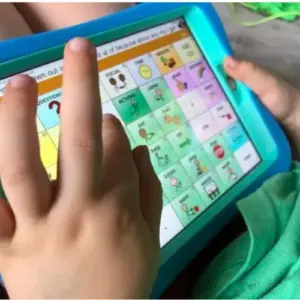
However, the organization maintains that the current state of the SLK Curriculum is merely a foundation. In a recent announcement, leadership at Speech and Language Kids confirmed that the organization is not satisfied with the status quo. The company is actively investing in research, development, and innovation to engineer a new generation of programs tailored to the evolving needs of both the clinicians and their pediatric clients. This commitment to ongoing development underscores a broader mission: to build the future of speech-language pathology by addressing the logistical hurdles that have traditionally hindered therapeutic success.
The necessity for such innovation stems from the changing nature of communication disorders and the increasingly complex needs of students in educational settings. As the field of speech-language pathology grows more data-driven, the demand for interventions that are both evidence-based and easy to implement has reached an all-time high. The SLK approach seeks to bridge the gap between complex clinical theory and the practical realities of the therapy room. By creating a curriculum that is both structured and adaptable, the organization is attempting to provide a sustainable path forward for clinicians who are often overwhelmed by the sheer volume of choices available in the current market.
The move to expand these offerings is not merely an internal goal for the company but a call to action for the wider community of speech-language pathologists. By inviting practitioners to join this movement, Speech and Language Kids is attempting to coalesce a group of forward-thinking professionals who are ready to move past the era of ad-hoc lesson planning. This movement is built on the premise that when clinicians are empowered with the right tools—tools that are organized, vetted, and intentionally designed—the quality of patient outcomes improves, and the professional experience of the clinician is greatly enhanced.
Industry observers note that the success of such programs often hinges on their ability to balance the need for structure with the clinical autonomy that speech-language pathologists value. The SLK Curriculum addresses this by offering a framework that acts as a guide rather than a rigid set of mandates, allowing for the professional judgment of the SLP to remain central to the therapeutic process. The integration of this curriculum into daily practice helps reduce the cognitive load on therapists, allowing them to focus their energy on the interpersonal aspects of therapy—the connection with the child—rather than the mechanics of material preparation.
As Speech and Language Kids continues to scale its operations, the focus remains firmly on the dual benefit of their model: supporting the clinician while simultaneously maximizing the progress of the child. This dual-focused approach is critical in a field where practitioner retention is an ongoing concern. When therapists feel supported by the systems they use, they are better equipped to provide high-quality care over the long term. This, in turn, creates a more stable environment for children, who benefit from the consistency and continuity that a structured curriculum provides.
The commitment to innovation extends to how the organization gathers feedback and iterates on its programs. By maintaining an active dialogue with the thousands of SLPs who utilize their services, the team at Speech and Language Kids is able to identify emerging gaps in the market and address them with precision. This feedback loop is the engine driving the development of new programs, ensuring that the future of speech-language pathology remains grounded in the actual, everyday experiences of those working in the field.
Looking toward the future, the vision set forth by the organization is one of professional empowerment. The initiative is not simply about selling a product or providing a resource; it is about changing the professional culture of speech-language pathology. By moving away from the "thousand different resources" model, the organization hopes to foster a sense of collective purpose, where clinicians spend less time managing files and more time innovating within the therapy room. This systemic change, if successful, could have profound implications for the efficiency of public and private speech therapy services.
The invitation to join the movement is framed as an opportunity for clinicians to reclaim their time and their professional identity. For those who have felt trapped in the cycle of constant searching and assembling, the transition to a structured, curated curriculum offers a viable alternative. It is a proposition that has already gained significant traction, and as the organization continues to roll out new programs and updates, the community of participants is expected to grow.
The current trajectory of Speech and Language Kids highlights a significant trend in the allied health professions: the shift toward digital-first, structured, and community-supported models of practice. As technology continues to enable better organization and delivery of educational content, the traditional, manual methods of lesson preparation are being challenged. By being at the forefront of this shift, the organization is positioning itself as a key influencer in how the next generation of speech-language pathologists will approach their work.
Ultimately, the goal of this expansion is to create a more resilient and effective professional landscape. By addressing the fundamental issues of resource fragmentation and therapist burnout, Speech and Language Kids is aiming to leave a lasting impact on the field. The commitment to building the future of speech-language pathology is a long-term undertaking, one that requires a combination of clinical expertise, technological innovation, and a deep understanding of the challenges faced by those on the front lines of communication therapy. As they move forward with these new developments, the organization continues to encourage practitioners to reconsider their workflows, embrace structure, and join a growing movement that seeks to redefine the standard of care in the profession. The emphasis on growth, innovation, and community support remains the cornerstone of their strategy, signaling a continued period of development for the platform and the clinicians who rely on it.