








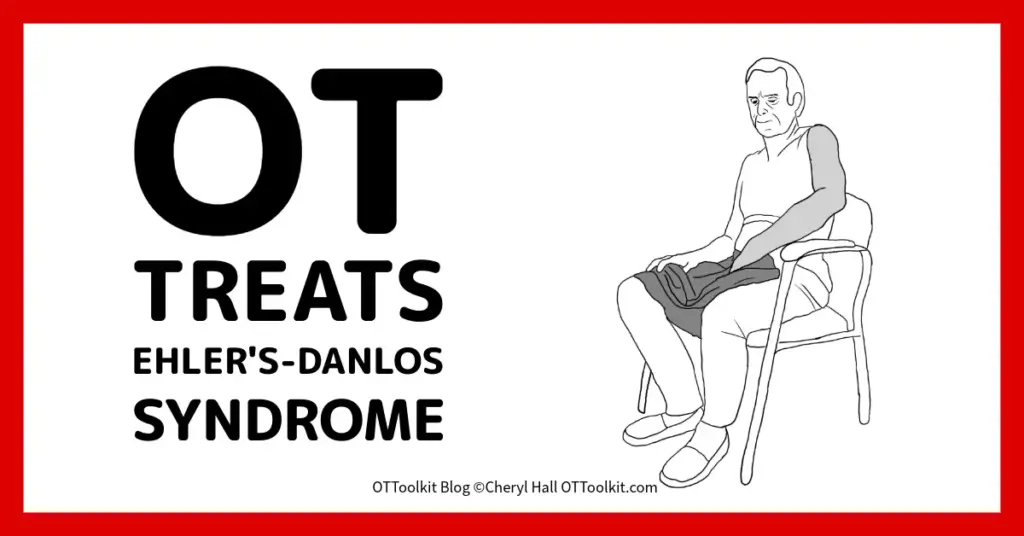
The Occupational Therapy Toolkit, a widely utilized resource for clinicians across the United States, is set to expand its clinical scope following a direct suggestion from the occupational therapy community. Cheryl, the developer behind the toolkit, recently announced plans to incorporate a dedicated treatment guide for Ehlers-Danlos Syndrome (EDS) into future editions of the publication. This decision was prompted by an inquiry from an occupational therapist practicing in Tennessee, who reached out after a patient expressed frustration over the absence of specific, evidence-based guidance for managing the complex condition within the existing materials.
While the Occupational Therapy Toolkit has long been a staple for practitioners seeking structured interventions for a variety of diagnoses, the inclusion of EDS represents a significant acknowledgment of the growing need for specialized support for patients living with rare connective tissue disorders. Despite the fact that EDS is a condition the author had not previously encountered in her own clinical practice, the request served as a catalyst for a deeper examination of how occupational therapy can profoundly influence the lives of those diagnosed with the syndrome. By facilitating improvements in independence and overall quality of life, occupational therapy interventions are becoming increasingly essential for the EDS community, prompting this commitment to include the syndrome in the next edition of the resource.
Ehlers-Danlos Syndrome is a complex group of connective tissue disorders characterized by a fundamental disruption in how the body produces and utilizes collagen—the protein that acts as the "glue" holding human tissues together. Currently, medical research has identified 13 distinct types of EDS, each with its own unique genetic origin and clinical presentation. The hallmark symptoms of the condition often involve widespread joint hypermobility, which frequently leads to chronic joint instability and pain. Additionally, patients often experience fragile skin that is prone to tearing, bruising, and poor wound healing. Beyond the musculoskeletal and dermatological manifestations, EDS is often a systemic concern, causing patients to deal with debilitating fatigue, dizziness upon standing—often associated with autonomic dysfunction—and complex digestive issues.
For the occupational therapist, treating a patient with EDS requires a nuanced approach that addresses both the immediate physical symptoms and the long-term impact on daily functioning. Because EDS affects multiple body systems, the goal of therapy is rarely limited to one area of focus. Instead, it involves a holistic strategy aimed at minimizing pain, preserving joint integrity, and maximizing the patient’s energy reserves throughout their daily routines.
One of the primary pillars of treatment is joint protection. Because hypermobility can lead to chronic hyperextension and significant pain, occupational therapists play a vital role in modifying tasks to reduce stress on vulnerable joints. This process often involves educating patients on safer movement patterns and, when necessary, the design and fitting of custom splints that provide the external support the body’s connective tissues cannot reliably offer. By stabilizing joints during functional activities, therapists can significantly lower the patient’s pain threshold and prevent the long-term degradation that often accompanies untreated joint instability.
Energy conservation is another cornerstone of managing a diagnosis like EDS. Many patients report profound, persistent fatigue that can make even routine activities of daily living overwhelming. Occupational therapists work closely with these individuals to implement pacing and planning strategies that help manage energy expenditure. By analyzing the patient’s day-to-day schedule and introducing task modifications, therapists help patients find ways to participate in meaningful activities without triggering a "crash" or worsening their symptoms. This approach empowers patients to take control of their activity levels, ensuring they have the stamina to engage with their work, family, and social lives.
In the realm of adaptive equipment, occupational therapy offers practical solutions that extend beyond the clinic walls. While splinting addresses joint protection, other forms of adaptive technology can be instrumental in fall prevention and enhancing community mobility. For an individual with EDS, navigating public spaces or managing a household can be fraught with the risk of injury due to balance issues or sudden joint subluxation. Identifying the right assistive devices allows these patients to maintain their autonomy while minimizing the environmental hazards that might otherwise limit their independence.
Ergonomics also plays a critical role in the treatment plan. OTs frequently evaluate the patient’s work, school, and home environments to identify areas where the setup might be exacerbating strain. By recommending specific equipment—such as ergonomic keyboards, specialized seating, or software that reduces the need for repetitive, strenuous movements—therapists can help mitigate the cumulative trauma that is common in patients with connective tissue disorders.
Furthermore, the issue of proprioception—the body’s ability to sense its own position and movement in space—is a frequently overlooked challenge for those with hypermobility. When the ligaments are too loose, the brain often struggles to receive accurate feedback about where a limb is located, which can lead to clumsiness, an increased risk of injury, and a constant, subconscious effort to remain stable. Occupational therapists utilize targeted therapeutic exercises to improve proprioceptive feedback and build the muscular stability necessary to protect the joints during movement.
Beyond the primary musculoskeletal symptoms, occupational therapists are increasingly focused on the management of co-occurring conditions that frequently accompany EDS. It is common for these patients to manage secondary challenges such as sleep disturbances, mental health concerns, migraines, and various autoimmune or gastrointestinal disorders. The integrative nature of occupational therapy allows for a multidisciplinary view of these symptoms, enabling clinicians to provide the modifications and coping strategies that help patients navigate these complex health profiles.
While the Occupational Therapy Toolkit undergoes its planned update to include a formal guide for EDS, the current 8th edition—released in 2024—remains a highly valuable repository for clinicians treating these patients. The existing materials offer a wide range of treatment guides, activities of daily living (ADL) support, and therapeutic exercise handouts that, while not specific to EDS, can be adapted for the unique needs of patients with connective tissue disorders.
For those seeking deeper clinical knowledge or specific resources on the condition, the Ehlers-Danlos Society remains the primary authority. Their website offers an extensive array of resources tailored to healthcare professionals, including continuing education opportunities, the latest research, and a professional directory that connects patients with clinicians who have verified expertise in treating the syndrome.
The commitment to adding an EDS-specific guide to the Occupational Therapy Toolkit underscores the importance of the open dialogue between authors and the practitioners who use their resources. As the clinical understanding of complex conditions like EDS continues to evolve, the ability of clinicians to exchange ideas and advocate for better resources is essential. The author has encouraged other therapists to continue sharing their ideas and needs, emphasizing that the most relevant and helpful content often comes directly from the field. Those wishing to suggest future additions or provide feedback on the toolkit are invited to reach out directly to the author via email to ensure that the resource remains a living, responsive tool for the occupational therapy profession.