





By Cheryl Hall
June 23, 2026
For many professionals in the healthcare sector, the feeling of being overlooked by the broader clinical team is a recurring, if frustrating, experience. As an occupational therapist (OT), I have certainly felt this sentiment firsthand, finding myself navigating a landscape where the specific value of my discipline is sometimes overshadowed by more traditionally recognized medical roles. However, it is important to recognize that this phenomenon is not unique to occupational therapy. If one engages in candid conversations with nurses, physician assistants, physical therapists (PTs), or speech-language pathologists (SLPs), they will almost invariably share similar stories of feeling underutilized or misunderstood within the hierarchy of modern healthcare.
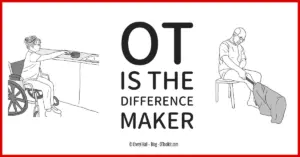
Despite these interpersonal challenges, the core mission of every clinician remains the same: the patient. It is a well-established reality in clinical practice that patients, regardless of the nature or complexity of their conditions, achieve significantly better health outcomes when occupational therapy is an active, integrated participant on the interdisciplinary team. The challenge, therefore, lies not in the necessity of our work, but in how effectively we communicate that value and integrate our specialized perspective into the collective care strategy.
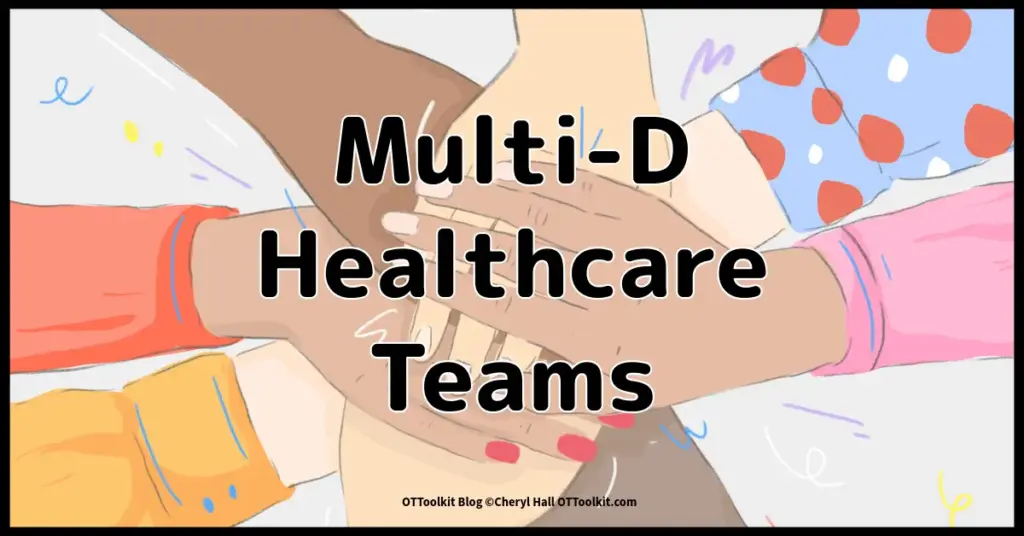
A compelling example of how to address this systemic issue recently emerged from the University of Wisconsin-Milwaukee. The institution has launched an ambitious initiative—"Building Better Care through Teamwork"—which focuses on expanding interprofessional education through simulation. By bringing together students from occupational therapy, physical therapy, speech-language pathology, and nursing, the program aims to break down the traditional silos that form during academic training.
The students who participated in these simulations highlighted the profound value of stepping outside their own disciplinary bubbles. They noted that learning about the specific roles, expertise, and perspectives of other healthcare providers was eye-opening. Beyond simply learning definitions, these students were tasked with building essential soft skills: communication, collaborative decision-making, and leadership. These are not merely academic exercises; they are the fundamental components of modern, high-quality patient care. By fostering these connections early in their careers, these future practitioners are better equipped to advocate for their specific roles while simultaneously respecting the expertise of their colleagues.
The necessity of this interdisciplinary approach has become increasingly pronounced as healthcare providers become more specialized. In the current medical environment, we are seeing a trend toward hyper-specialization, which, while beneficial for technical precision, often leads to fragmentation in the patient experience. Interdisciplinary teams are most frequently deployed when managing patients with complex, multifaceted needs. These teams typically convene during routine care planning meetings, which serve as the primary venue for addressing long-term needs and, perhaps most crucially, planning for safe and effective care transitions.
Because of the holistic perspective inherent to the OT profession, complex patient cases are precisely where our expertise is most vital. While other specialists may focus on pathology or physiological markers, occupational therapists bring a unique focus on functional performance, environmental adaptation, and the sustained support of independence. To ensure that our voice is heard, we must be prepared to contribute meaningfully and clearly to these high-stakes discussions. We are not just participants; we are essential advocates for the patient’s ability to return to their life, their home, and their chosen occupations.
One of the most significant barriers to effective teamwork is the breakdown of communication. To overcome this, it is essential that we focus our clinical observations on the "why" and the tangible functional impact of our findings. When participating in team meetings or contributing to patient charts, our focus should be on the functional impact of deficits—specifically, how these deficits influence safe discharge planning and the patient’s long-term independence.
For example, rather than providing a broad clinical summary, an OT’s input should be concise, specific, and actionable. We should articulate clearly what equipment is needed, the precise level of assistance required for functional tasks, and what specific modifications can be made to the environment to facilitate success. Furthermore, we must actively strive to prevent the service overlap that often occurs when roles are ill-defined. By regularly consulting with PT and SLP colleagues, we can ensure that our interventions are complementary rather than redundant. When we coordinate our care, we optimize the patient’s energy and time, ensuring that each therapy session builds upon the others.
Above all, we must consistently emphasize the unique perspective of occupational therapy. We are the discipline that addresses the real-life tasks that are most important to the patient’s sense of self and their enjoyment of life. By anchoring our contributions to these deeply human outcomes, we differentiate our role and reinforce why the OT perspective is indispensable to a successful care plan.
Beyond our individual efforts, there is a broader need to advocate for a culture of teamwork within our organizations. This requires us to frame the value of the team approach in a way that resonates with organizational leadership and stakeholders. We must consistently highlight the advantages that a truly integrated team brings to both the institution and the patient population. A well-functioning team is a powerful clinical and administrative tool; it has been shown to reduce medical errors, lower hospital readmission rates, and improve the management of chronic conditions.
When organizations move away from rigid, siloed clinical environments, they create opportunities to optimize workloads by assigning tasks based on the specific expertise of each discipline. This leads to faster, more confident clinical decision-making. Furthermore, effective teams serve as a buffer against the pervasive issue of clinician burnout. By sharing the mental load of complex cases and fostering a culture of peer learning, team members can support one another, share the emotional weight of difficult clinical outcomes, and grow professionally through the exchange of knowledge.
The future of healthcare depends on our ability to work effectively across professional lines. Teams are, without question, a powerful tool for improving the standard of care. As clinicians, we must be prepared to step up, contribute our expertise to complex cases, sharpen our communication skills to ensure our value is understood, and advocate for stronger, more collaborative structures within our organizations. When we succeed in these efforts, the benefits are clear: the clinicians themselves experience a more supportive, less isolated professional environment, and most importantly, our patients receive the high-quality, holistic care they deserve. By bridging these gaps and focusing on our shared goals, we ensure that every member of the healthcare team, including the occupational therapist, is positioned to make the greatest possible impact on the lives of those we serve.