







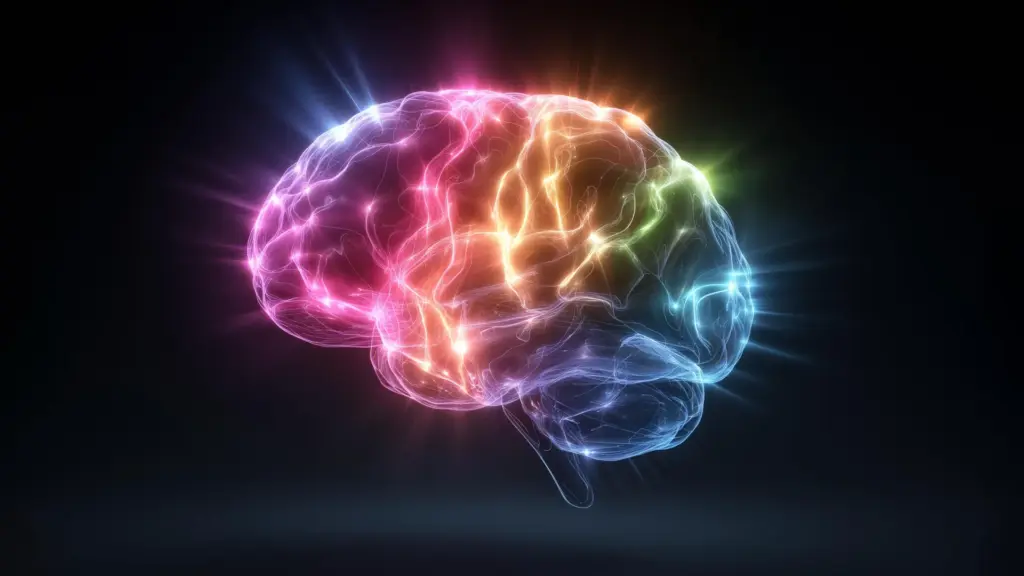
A breakthrough study from the Icahn School of Medicine at Mount Sinai has uncovered a significant link between a protein associated with youth and the resilience of the aging brain. Researchers have identified that TIMP2 plays a pivotal role in maintaining the health and functionality of the brain’s specialized immune cells, known as microglia. This discovery offers a promising new perspective on the biological mechanisms that drive brain aging and could eventually pave the way for novel therapeutic strategies against neurodegenerative conditions like Alzheimer’s disease.
The findings, published in the journal Nature Communications, reveal that the loss of TIMP2 in the brain leads to an accelerated decline in microglial function, effectively mimicking the cellular signatures of aging and neurodegeneration. Conversely, when the research team restored levels of this protein in the bloodstream of older mice, the microglia exhibited a remarkable recovery, regaining their ability to clear cellular debris and dampening the chronic inflammation that often plagues the aging brain.
Why the Brain’s Immune Cells Become Less Effective With Age
Aging is widely recognized as the primary risk factor for a host of devastating neurological disorders, including Alzheimer’s disease. Yet, despite decades of intense research, the precise biological pathways that render the aging brain so susceptible to these conditions remain partially obscured. A central focus for scientists is the role of microglia, the brain’s primary immune defenders.

Microglia are essentially the brain’s maintenance crew. In a healthy, youthful brain, these cells are highly active and versatile; they act as a surveillance system, patrolling the neural environment to remove toxic cellular waste, maintain the intricate networks required for neuronal communication, and provide a rapid response to tissue injury. However, as an organism ages, the efficiency of these cells begins to wane. Research has shown that aging microglia often lose their functional capacity, failing to clear the "garbage" that accumulates between cells. Even more concerning, they can undergo a state change, transitioning into a pro-inflammatory profile that can actively interfere with normal brain function, creating an environment that is less supportive of healthy neurons.
Dr. Joseph M. Castellano, Associate Professor of Neuroscience at the Ronald M. Loeb Center for Alzheimer’s Disease and The Friedman Brain Institute at The Icahn School of Medicine at Mount Sinai, and the study’s corresponding author, emphasized the importance of this protein in maintaining that delicate balance. "TIMP2 facilitates healthy function for the brain’s immune cells," Dr. Castellano explained. "By supporting the ability of microglia to clear debris and limit maladaptive responses, TIMP2 may help restore aspects of microglial function that become compromised with age."
Dr. Castellano further noted that his team’s previous research had already established TIMP2 as a key regulator of synaptic plasticity—the brain’s fundamental ability to strengthen or weaken connections between neurons, which is critical for learning and memory. By connecting the protein’s role in the extracellular matrix to its influence on the immune system, the team is identifying a crucial intersection of biological processes that underpin long-term brain health.
What Happens When the Brain Loses TIMP2?
To untangle the complex relationship between TIMP2 and immune health, the research team, which included lead author Dr. Brittany Hemmer, conducted a series of sophisticated experiments using mouse models. By studying mice with varying levels of the protein—ranging from those genetically modified to lack TIMP2 throughout the entire body to those where the protein was removed only from specific cell types like microglia or neurons—the team was able to pinpoint the exact impact of the protein on brain architecture.
The researchers employed a suite of cutting-edge analytical tools to observe these changes. Single-nucleus RNA sequencing provided a high-resolution map of gene activity within individual cells, while advanced imaging and functional testing allowed them to visualize how the microglia were behaving in real-time. Perhaps most innovative was the use of in vivo microdialysis, a technique that allowed the scientists to sample the interstitial fluid—the environment directly surrounding brain cells—in living tissue.
The results were stark. In the absence of TIMP2, microglia began to display the hallmarks of a brain that was significantly older or injured. These cells showed altered activation markers and a diminished capacity for phagocytosis—the process of engulfing and destroying cellular waste. Furthermore, the sequencing data revealed molecular signatures of cellular senescence, a state where cells cease to divide and begin to release inflammatory compounds that can damage neighboring healthy cells.
The negative impact of this protein deficiency was not confined to the microglia. The in vivo microdialysis results confirmed that the surrounding extracellular environment was saturated with elevated levels of stress-related and inflammatory proteins. These findings collectively suggest that TIMP2 serves as a protective buffer, preventing the immune system from veering into a chronic, harmful state that characterizes much of neurodegeneration.
Restoring a Youth-Associated Protein Improves Aging Brain Cells
Building on the observation that the lack of TIMP2 leads to decline, the researchers turned their attention to a more optimistic possibility: could the administration of this protein act as a restorative agent? To test this, the team injected TIMP2 into older mice to observe if systemic levels of the protein could "rescue" the aging immune cells.
The results were encouraging. Upon receiving the treatment, the older mice showed a significant improvement in microglial function. The cells became significantly more efficient at clearing out the debris that accumulates with age, and there was a marked reduction in the molecular markers associated with inflammatory activation. Essentially, the restoration of a protein abundant in youth allowed the aging immune system to recover some of its lost functional agility.
This suggests that TIMP2 acts as a bridge between the body’s systemic environment and the brain’s innate immune system. Because microglia are highly sensitive to their surroundings, the availability of specific circulating proteins like TIMP2 may dictate their protective or destructive behavior. By reinforcing these protective pathways, researchers believe it may be possible to curate a more hospitable environment for neurons, potentially slowing the onset of age-related cognitive decline.
A Potential New Direction for Brain Aging and Alzheimer’s Research
The discovery that a youth-associated factor can influence the brain’s innate immune system fits into a broader, growing body of scientific inquiry into the "rejuvenating" effects of systemic factors. While the concept of using proteins from a younger environment to influence aging is not entirely new, the specific identification of TIMP2’s role in modulating microglial behavior provides a concrete, targetable mechanism for future investigation.
Dr. Castellano stressed that while these findings are a significant step forward, the road to clinical application remains long. "While additional studies are needed, this work provides new insight into how youth-associated factors influence pathways involved in brain aging and age-related neurological disorders that may ultimately inform therapeutic strategies," he noted.
The researchers were careful to provide a note of caution regarding the transition from the laboratory to the clinic. Because these experiments were conducted in mice, it remains an open question as to whether human physiology will respond to TIMP2 manipulation in the same way. Furthermore, the complexity of the human brain means that the interplay between immune cells, the extracellular matrix, and systemic proteins is likely far more nuanced than what can be observed in a model organism.
Future research will focus on determining whether TIMP2 itself—or perhaps the downstream biological pathways it controls—can be effectively harnessed as a therapeutic target. By better understanding the mechanisms that keep the brain’s immune system "young," scientists hope to move closer to preventing or delaying the onset of the debilitating conditions that arise when these defenses finally fail.
This research, supported by the National Institute on Aging and the Cure Alzheimer’s Fund, underscores the importance of continued investment in understanding the foundational biology of the aging brain. As the global population ages, the need to translate these basic science discoveries into viable clinical treatments becomes increasingly urgent, marking a new, evidence-based chapter in the search for healthy cognitive longevity.