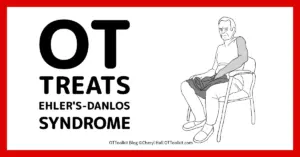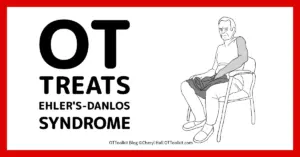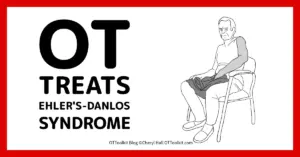








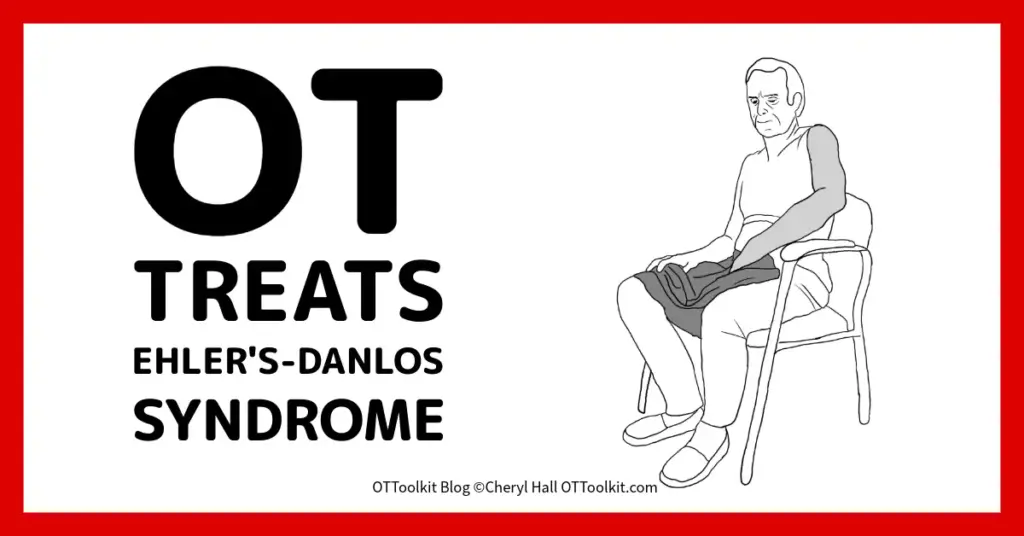
The collaborative nature of the occupational therapy community is one of its most enduring strengths, providing a vital bridge between clinical practice and the development of essential educational resources. Recently, this spirit of cooperation was highlighted when a practicing occupational therapist from Tennessee reached out with a poignant request: their patient, who lives with Ehlers-Danlos Syndrome (EDS), had noted a significant absence of targeted treatment guidance for the condition within the widely utilized Occupational Therapy Toolkit. This request sparked a broader reflection on the role of specialized care in managing rare connective tissue disorders and the importance of adapting clinical resources to meet the diverse needs of patients across the healthcare spectrum.
Ehlers-Danlos Syndrome, while categorized as a rare condition, presents a complex array of symptoms that require a nuanced approach to rehabilitation and daily management. For clinicians who may not have encountered the syndrome frequently in their practice, the request served as a timely reminder of the necessity for updated, accessible information. In response to this feedback, plans are now underway to incorporate a dedicated EDS treatment guide into the next edition of the Occupational Therapy Toolkit. While the recently published 8th edition of the Toolkit currently provides a robust foundation for a wide range of therapeutic interventions, the specific needs of the EDS community necessitate a more tailored approach that will be addressed in future updates.
At its core, Ehlers-Danlos Syndrome is a connective tissue disorder characterized by fundamental disruptions in how the human body synthesizes and utilizes collagen—the protein that acts as the “glue” holding our systems together. Given that collagen is a primary structural component of skin, blood vessels, and connective tissues throughout the body, the impact of EDS is systemic. Currently, medical science has identified 13 distinct types of Ehlers-Danlos Syndrome, each associated with unique genetic causes and clinical presentations. Despite this variation, patients frequently share common challenges, most notably joint hypermobility, persistent joint instability, and chronic pain. Furthermore, the condition often manifests through skin fragility, where the skin may stretch, tear, or bruise with minimal provocation. Beyond these physical markers, patients often navigate significant systemic issues, including debilitating fatigue, dizziness upon standing—often related to autonomic dysfunction—and a variety of complex digestive concerns.
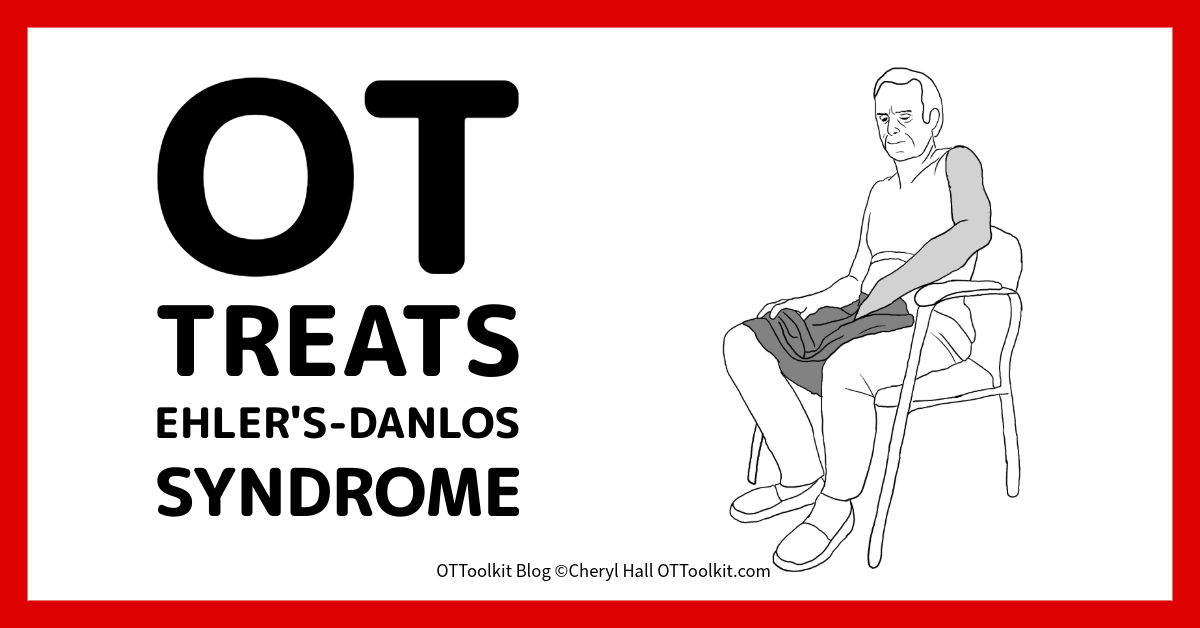
For occupational therapists, the objective in treating patients with EDS is to facilitate greater independence, ease the burden of chronic symptoms, and ultimately enhance the patient’s overall quality of life. The multifaceted nature of the condition means that interventions must be holistic, addressing not only the primary musculoskeletal challenges but also the functional limitations imposed by systemic symptoms.
One of the primary pillars of this intervention is joint protection. Because hypermobility and joint instability can lead to frequent subluxations or dislocations, therapists play a crucial role in mitigating painful hyperextension. This is achieved through a combination of task modification, education on the safe home management of joint pain, and the strategic design and fitting of splints. By providing external support, therapists can help patients maintain joint alignment during daily activities, thereby reducing the risk of injury and alleviating chronic discomfort.
Energy conservation strategies represent another essential component of the occupational therapy plan for individuals with EDS. Many patients report significant, often overwhelming, fatigue that limits their ability to engage in daily routines. Occupational therapists work closely with these individuals to implement pacing and planning strategies, ensuring that physical and mental exertion is distributed in a way that prevents exhaustion. By breaking down tasks into smaller, more manageable steps and modifying how those tasks are performed, therapists empower patients to maintain their functional independence without triggering debilitating fatigue cycles.
The role of adaptive equipment is also vital in the context of EDS management. Beyond the aforementioned joint protection aids, therapists may recommend a variety of assistive devices designed to support fall prevention and improve community mobility. Whether it is modified utensils for the kitchen, ergonomic furniture for the home office, or mobility aids for navigating public spaces, the goal is to reduce the physical stress placed on the body’s connective tissues during everyday activities.
Ergonomics, particularly in the workplace or academic settings, is another area where occupational therapists provide critical expertise. By evaluating a patient’s environment, a therapist can make precise recommendations for equipment or software that limits repetitive movement and reduces strain on sensitive joints. Small, evidence-based adjustments to a desk setup or a classroom environment can prevent the cumulative micro-trauma that often exacerbates the symptoms of EDS over time.
A particularly unique aspect of working with this population is addressing compromised proprioception. Because the joints in an EDS patient are hypermobile, the body’s ability to sense its position, movement, and location in space—the proprioceptive sense—is often impaired. This can lead to balance issues and a lack of coordination. Occupational therapists utilize targeted therapeutic exercises specifically designed to improve proprioception, helping patients develop better body awareness, which in turn acts as a protective measure for long-term joint health.
It is also important to recognize the breadth of co-occurring symptoms that often accompany an EDS diagnosis. Patients frequently contend with sleep disturbances, mental health challenges, chronic migraines, gastrointestinal issues, and various autoimmune disorders. While an occupational therapist may not treat these conditions in isolation, they are uniquely positioned to provide the interventions, environmental modifications, and coping strategies necessary to manage these symptoms as they relate to the patient’s overall functional ability. By taking a comprehensive view of the patient’s life, the therapist can help navigate the intersection of these diverse health challenges.
While the Occupational Therapy Toolkit continues to evolve, it remains a highly valuable resource for clinicians currently treating patients with EDS. The current edition offers a wealth of materials that can be adapted for the specific needs of this population, including extensive treatment guides, detailed activities of daily living (ADL) and mobility handouts, and a variety of educational and therapeutic exercise resources. These materials provide a baseline for care that practitioners can tailor to the individual experiences of their patients.
For those looking to deepen their clinical understanding of Ehlers-Danlos Syndrome, the resources provided by The Ehlers-Danlos Society are an invaluable point of reference. Their website serves as a hub for both patients and healthcare professionals, offering access to continuing education modules, the latest clinical research, and a comprehensive directory of healthcare professionals who possess specialized expertise in the condition. Engaging with such resources is a recommended step for any therapist looking to provide the highest standard of care to the EDS community.
The feedback provided by the occupational therapist from Tennessee serves as a reminder of the power of clinical collaboration. The development of the Occupational Therapy Toolkit has always been an iterative process, shaped by the real-world experiences and needs of the clinicians who use it every day. As the field of occupational therapy continues to expand its reach, the inclusion of more specialized guidance for conditions like Ehlers-Danlos Syndrome will undoubtedly improve the quality of care provided to patients everywhere. Suggestions and feedback from the professional community remain the most effective way to ensure these resources stay relevant, practical, and comprehensive. Practitioners are encouraged to continue this dialogue and share their insights, as these individual contributions are what allow the community to grow and refine its collective expertise in the service of patient health.