









In an effort to provide educators and speech-language pathologists with more efficient, evidence-based tools, a new suite of comprehensive curriculums has been introduced to address critical areas of vocal development in children and teens. These structured programs are designed to assist students in improving their vocal quality, projection, and resonance through healthy, sustainable practices that transition seamlessly from the classroom to the stage and everyday life.
As communication remains a cornerstone of academic and social success, the need for accessible, professional-grade resources has never been higher. By offering a standardized approach to voice and resonance, these new curriculums aim to reduce the time professionals spend on lesson planning, allowing for more focused, impactful interactions with students. The materials are built upon a foundation of structured, evidence-based strategies, intended to foster confidence in young speakers, ensuring they can communicate with pride and comfort.
Foundations of Healthy Voice Use
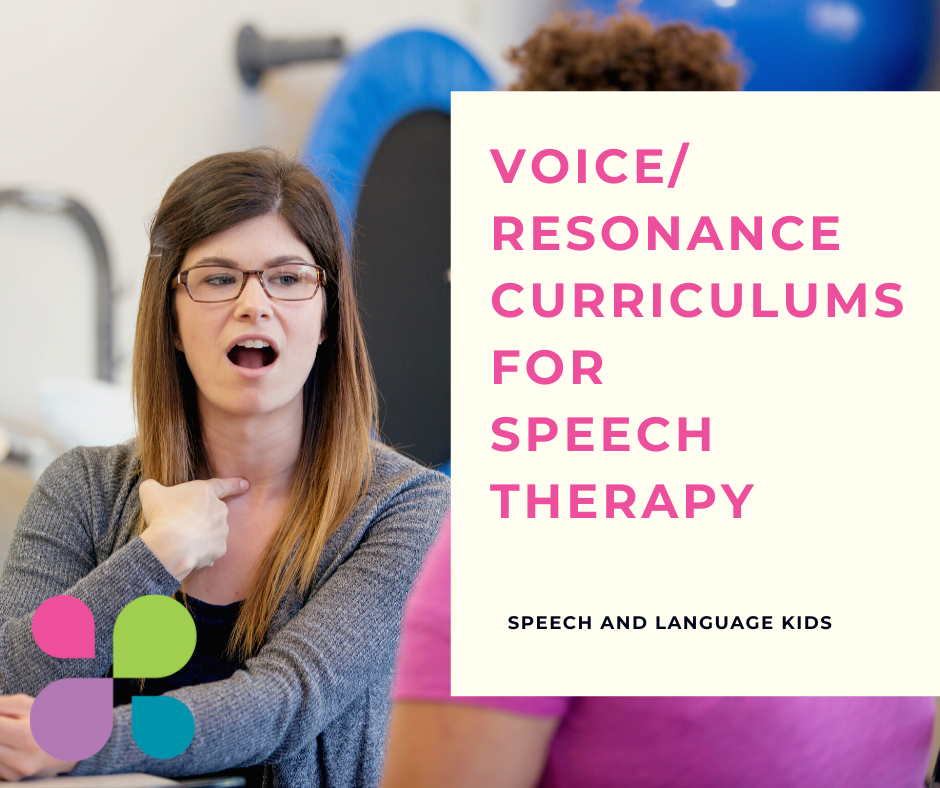
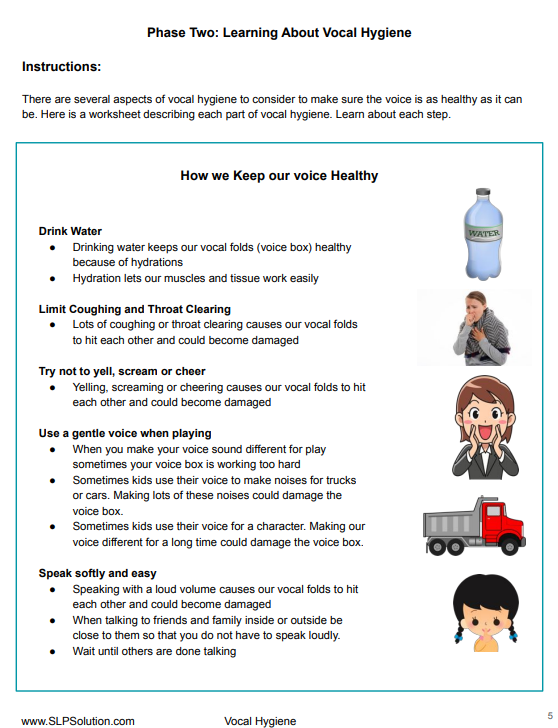
Central to this new collection is the "Foundations of Healthy Voice Use" curriculum. This program is specifically engineered to teach children and teens the mechanics of vocal hygiene, breath control, and efficient voice production. Many students struggle with vocal strain, often unaware of the habits that lead to fatigue or long-term damage. By guiding students through these foundational principles, the curriculum helps them build the stamina and techniques required for clear and confident communication.
The program is divided into three distinct levels, each targeting specific age-appropriate milestones. At the beginner level, which is generally suited for children aged five to twelve, the focus is heavily on vocal hygiene and the prevention of strain. As students progress to the intermediate level—typically aimed at those aged six to fourteen—the curriculum shifts toward developing breath control and support, which are essential for sustained, powerful speech. Finally, the advanced level is geared toward teens and adults, emphasizing self-monitoring and the carryover of these learned strategies into daily life, ensuring that the habits formed during therapy remain consistent outside of the clinical setting.

Addressing Resonance and Nasality
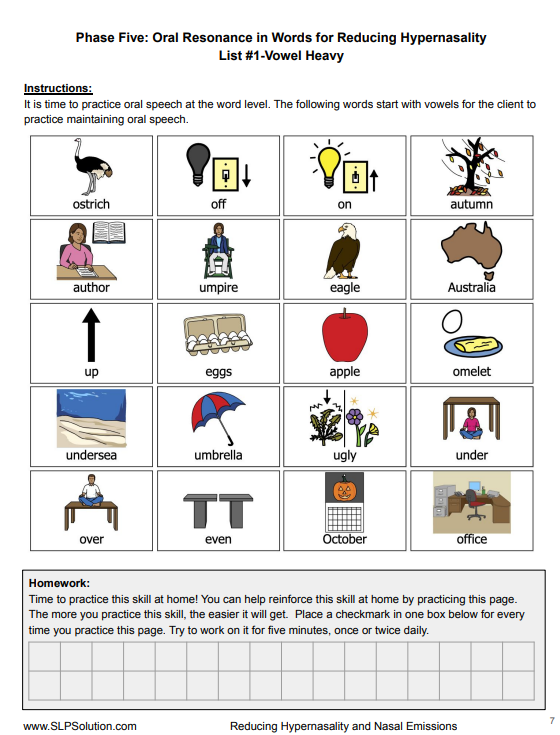
In addition to general voice health, the new launch includes a specialized curriculum focused on resonance and nasality. For students experiencing hypernasality or hyponasality, voice quality can often become a source of social anxiety or academic difficulty. This curriculum provides a systematic, step-by-step approach to achieving balanced resonance.
The program begins with the foundational stage of developing awareness and discrimination for children as young as five. By learning to distinguish between different types of oral and nasal resonance, students gain the foundational knowledge necessary for correction. The intermediate level introduces the use of oral resonance in structured speech tasks, helping children practice these patterns in a controlled environment. The advanced level then moves to generalization, where the goal is to carry these new resonance patterns into spontaneous, everyday conversation. While the program outlines typical mastery ages, the modular nature of the curriculum allows for flexibility, making it an effective resource for older students who may still be struggling with these specific vocal patterns.
Advanced Voice and Prosody Training
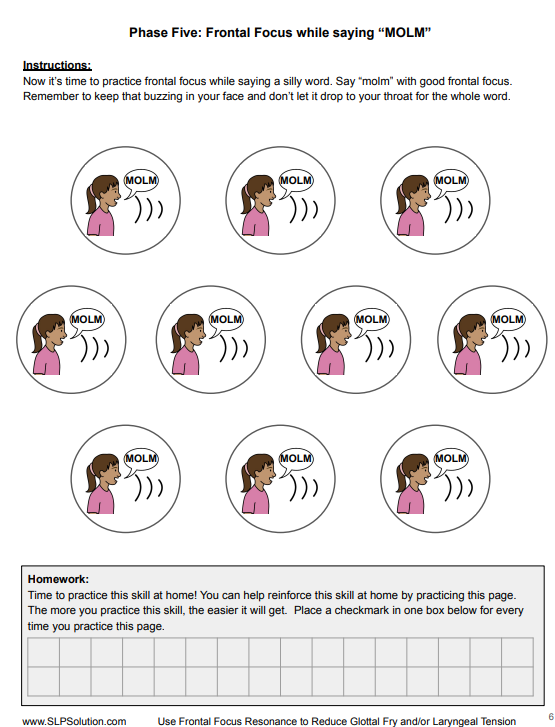
The collection also features a dedicated Voice Curriculum specifically aimed at addressing voice disorders. This evidence-based program offers a high level of technical guidance, focusing on reducing vocal tension, improving overall vocal quality, and mastering the nuances of pitch, loudness, and endurance. By providing clear, guided lessons, the program assists students who need a more intensive focus on the physical mechanics of speech.
Complementing this is the Prosody Curriculum, which addresses the "music" of speech. Prosody involves the rhythm, stress, and intonation that make language expressive and engaging. For many students, the ability to control volume, rate, and pitch is a major hurdle in effective communication. The Prosody Curriculum breaks these complex skills down into manageable lessons. Starting at the beginner level for children as young as four, the curriculum focuses on attending to prosody in sounds and simple speech. It then progresses to the use of expected prosody in speech tasks and, eventually, the generalization of these expressive skills into natural, conversational contexts. This structured progression ensures that students do not just learn to speak, but learn to speak in a way that is natural, engaging, and clear.
A Streamlined Approach for Professionals
One of the most significant challenges for speech-language pathologists and educators is the sheer volume of time required to create customized therapy plans for every student. Recognizing that every child’s communication journey is unique, the creators of this new curriculum emphasize that professionals should not have to "reinvent the wheel" for every case.
By integrating these resources into a broader, cohesive framework, the developers hope to minimize administrative burdens. The curriculums are designed to guide the therapist or educator through the entire process—from the initial assessment and the first session to the final stages of mastery. This consistency in methodology ensures that even as students move between levels or therapists, their developmental trajectory remains stable and informed by the same core pedagogical principles.
The emphasis on "instant access" and the modular nature of these programs reflect a modern understanding of clinical needs, where practitioners require tools that are both rigorous and adaptable. The materials are accompanied by resources that help track progress, ensuring that both the teacher and the student can see tangible improvements over time.
The Impact of Clear Communication
The overarching goal of these programs is to empower students to express themselves effectively. When a student struggles with voice or resonance, the effort required to be heard can often overshadow the content of what they are saying. By mitigating these physical challenges, the curriculums allow students to focus on their ideas, their confidence, and their social interactions.

As the developers note, when a child gains the ability to communicate clearly and confidently, the impact extends far beyond the therapy room. It changes how they interact with peers in the classroom, how they participate in public speaking or theatrical activities, and how they perceive their own ability to influence the world around them.
The introduction of these curriculums represents a significant step forward in the availability of structured, professional-grade speech therapy materials. By providing a clear roadmap for success, these tools are set to become an essential asset for professionals dedicated to helping the next generation find, and maintain, their own unique voices. With the addition of supplementary resources—including podcasts and multimedia materials—the program offers a multi-faceted approach to learning, ensuring that the strategies can be reinforced through various modalities and, ultimately, sustained for a lifetime.