


As the midterm elections approach, a coalition of prominent advocacy organizations and legal experts has released a comprehensive new voting guide specifically tailored to help individuals with developmental, cognitive, and mental health disabilities navigate the electoral process and understand their fundamental rights at the polls.
The newly updated 88-page document is a collaborative effort between the Bazelon Center for Mental Health Law, the National Disability Rights Network, and the prominent law firm McDermott Will & Schulte. It provides an in-depth examination of the rights belonging to people with autism, intellectual disabilities, mental health conditions, and various other cognitive challenges, ensuring that these voters are fully prepared to make their voices heard.
The release of the guide comes at a critical time when election accessibility and voter disenfranchisement remain pressing national concerns. Designed to serve as a practical and legal resource, the extensive document touches on several complex aspects of civic participation, including the intricate role of guardianship, methods for retaining or legally restoring an individual’s right to vote, and the specific protocols for receiving personalized assistance inside the voting booth.

Furthermore, the publication includes a detailed breakdown of each state’s unique voter competency laws, offering clear insights into how individuals, their families, and advocates can actively advocate for voting rights during guardianship proceedings or through broader legislative channels at the state level. To add a practical layer of support on Election Day, the document also features a dedicated fact sheet that voters with disabilities can print out and bring directly with them to their polling locations.
The initiative is broad in its intended scope, aiming to reach not only voters with disabilities themselves, but also their family members, independent advocates, direct service providers, and various other community stakeholders who play a supportive role in civic engagement.
"Voting is in many ways the most fundamental of rights, as it is the pathway for people to secure all other rights," said Jennifer Mathis, deputy director of the Bazelon Center for Mental Health Law. "We want to make sure people with disabilities have the tools they need to be able to exercise their right to vote."
The guide underscores that the right of individuals with disabilities to cast a ballot is firmly rooted in and protected by federal law. It highlights major legislative cornerstones such as the Americans with Disabilities Act (ADA) and Section 504 of the Rehabilitation Act, both of which prohibit discrimination and mandate equal access to public programs and activities, including elections.
However, despite these sweeping federal protections, the document issues a cautionary note, revealing that election officials and disability service providers have, in some instances, improperly utilized their own localized competency requirements to erect barriers and prevent people with disabilities from participating in the democratic process. Such hurdles highlight the ongoing need for rigorous legal education and proactive advocacy to ensure that existing laws are upheld uniformly across different jurisdictions.
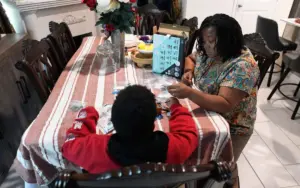
Addressing the practical realities of casting a ballot, the guide clarifies that voters with disabilities possess the explicit legal right to receive physical or logistical help from a person of their own choosing when they arrive at the polls. The document outlines the proper conduct expected of these chosen assistants, noting that helpers should carefully explain the instructions for casting a ballot, faithfully follow the expressed wishes and preferences of the individual they are assisting, and rigorously maintain that person’s privacy throughout the entire voting process.
In situations where a voter’s eligibility or right to vote is challenged at the polling place, the advocacy groups emphasize that these individuals are still legally entitled to cast a provisional ballot. Under such circumstances, an election worker or local election board will subsequently review the case and make a determination at a later time regarding whether or not the provisional vote should be counted, ensuring that eligible voters are not arbitrarily turned away due to immediate disputes or misunderstandings at the precinct level.