









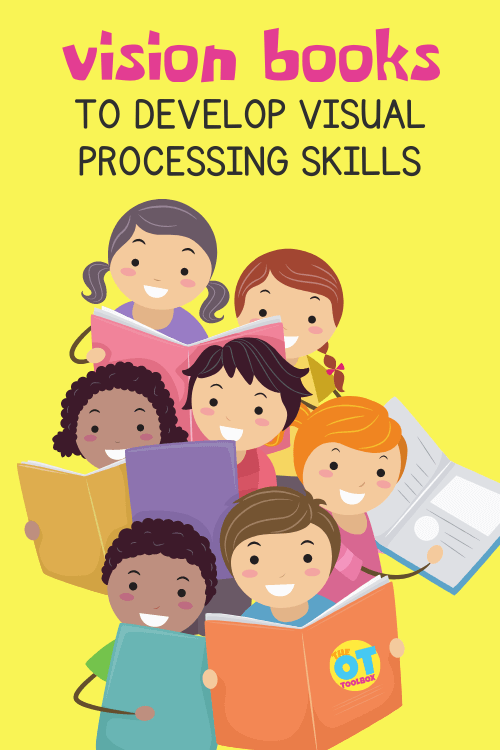
Occupational therapists, educators, and pediatric specialists have a new selection of structured resources available to support the development of visual processing skills in children. A comprehensive roundup of top therapeutic books and workbooks has been highlighted for use in vision therapy, occupational therapy sessions, and classroom intervention programs. These resources are designed to address vital functional components such as visual perception, visual motor integration, visual tracking, and visual discrimination.
The integration of visual skills is foundational to a child’s academic and daily success. Experts emphasize that many classroom and everyday tasks depend heavily on how effectively the eyes, body, and brain work together. Skills including visual scanning, visual attention, and eye-hand coordination directly impact a child’s ability to read, write, copy information from the board, complete worksheets, and participate actively in play and learning environments. When children struggle with these underlying systems, structured workbook activities can offer targeted practice disguised as play.
Professionals working in the field note that vision workbooks often incorporate mazes, hidden pictures, matching challenges, tracing paths, figure-ground tasks, dot-to-dot pages, and visual memory exercises. For instance, a student who frequently loses their place while reading or copying text often benefits from dedicated visual tracking and scanning exercises. Similarly, children who experience difficulty locating specific information on a cluttered worksheet can strengthen their figure-ground abilities through specialized practice.
While these workbooks do not replace a formal vision evaluation or individualized clinical therapy provided by a developmental optometrist, they serve as a valuable supplement. Occupational therapy practitioners frequently integrate these materials into clinic sessions, home programs, and school environments to support functional performance in handwriting, reading readiness, cutting, drawing, and spatial organization.
Visual motor workbooks provide further support for children who require assistance coordinating visual input with hand movements. By engaging in activities such as tracing lines, copying shapes, completing patterns, and following pencil paths, children strengthen the crucial connection between what they see and how they move. This foundational practice reduces academic frustration and builds confidence during writing assignments, coloring tasks, scissor usage, and construction play.
Parallel to motor integration, visual perception workbooks target the brain’s ability to interpret and make sense of visual information. Recognizing shapes and letters, understanding spatial relationships, remembering visual details, and isolating objects from a busy background are all critical skills utilized during math, reading charts, organizing materials, and navigating the classroom. When children exhibit difficulties with these tasks, therapists often turn to structured resources to provide the repetition and guidance necessary for developmental growth.
To address specific functional needs, several notable publications have been curated for clinical and educational toolkits. Among them is An OT and Optometrist Offer Activities to Enhance Vision! by Lois Hickman and Rebecca Hutchins. This collaborative resource provides an accessible overview of vision deficits and their impact on daily function, featuring a checklist of red flags alongside a wide variety of practical therapy activities designed for easy task gradation across home, clinic, and school settings.
For foundational tracking development, the Visual Tracking Exercises Book, created by Bridgette Sharp and Bridgette O’Neil, offers beginner-level activities utilizing numbers, shapes, patterns, and varying fonts to reinforce left-to-right awareness. Meanwhile, advanced learners preparing for chapter books and intensive desk work can utilize resources such as Advanced Visual Scanning Exercises and Vision Books, Visual Scanning for Students, which build endurance, eye muscle strength, and assist with directional training and visual reversals.
Additional specialized publications include Vision Books, Visual Tracking Exercises with 100 High Frequency Sight Words, which transitions away from geometric patterns to incorporate word shape training and visual discrimination. For children struggling with letter reversals involving characters like b, d, p, and q, Brain Training for Reversals offers targeted worksheets that double as scanning and directionality exercises. Higher-level visual discrimination and spatial problem-solving are supported through specialized geometric pattern books geared toward older students and adults working at equivalent reading levels, complemented by classic "spot the difference" publications that encourage careful item location and visual processing.
Digital resources have also expanded the availability of targeted interventions. The Visual Closure Workbook, a comprehensive digital file designed to enhance visual perceptual skills for reading comprehension and efficiency, provides foundational information on visual closure alongside a screening tool for identifying common difficulties. Through these combined physical and digital materials, practitioners aim to connect visual skill-building directly to meaningful daily tasks, ensuring that children can successfully carry over their progress into school, play, and everyday life.
Kaylee, a pediatric therapist with a background in health science and occupational therapy who has spent years working with children with special needs, notes that collaborative teamwork between educators, occupational therapists, and specialized vision providers remains essential. Because visual processing is deeply integrated into every aspect of functional performance, utilizing
structured books and targeted activities allows the entire care team to support the whole child effectively.