




By Michelle Diament | October 16, 2026
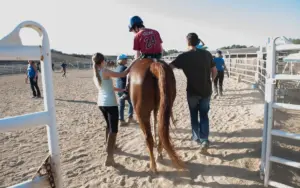
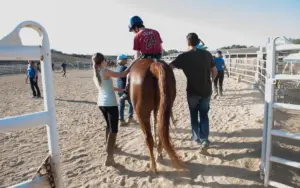
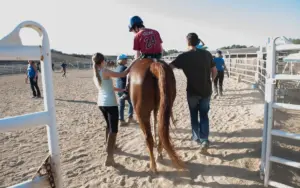
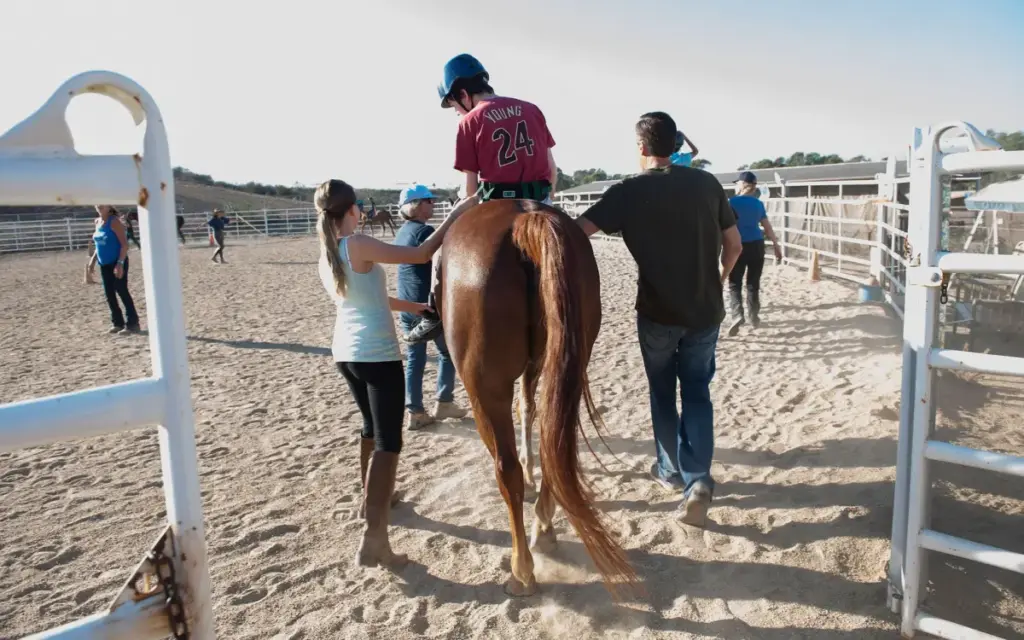
Riding horses or simply spending time around them can make a profound difference for children with autism, helping to significantly reduce hyperactivity and boost crucial social skills, according to new research published this week.
In a comprehensive study examining 236 children diagnosed with autism and co-occurring psychiatric conditions, researchers discovered that participating in either a structured therapeutic riding program or engaging in general barn activities yielded meaningful, measurable benefits. The findings offer new insights into how alternative, interactive therapies can complement traditional clinical approaches for youth facing developmental and behavioral challenges.

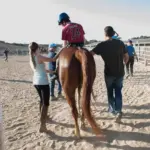
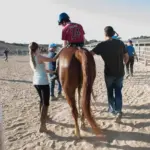
The study, which focused on participants between the ages of 6 and 16, divided the children into different groups to carefully evaluate the impact of equine-related activities. Some participants were assigned to receive therapeutic horseback riding sessions once a week for a duration of 10 weeks. Others took part in a barn activity group where they were exposed to horses, observing and interacting with the environment, but did not actually mount or ride the animals. A third group experienced a waiting period before participating in a hybrid format consisting of five weeks of barn activities followed by five weeks of hands-on riding lessons.
The results, published in the journal Pediatrics, revealed that both the active riding programs and the barn-based activities led to notable, statistically significant drops in irritability and hyperactivity among the participants. Furthermore, researchers documented clear improvements in the children’s emotional regulation and overall social behaviors.
Yet, while simply being around the stables proved beneficial, the data indicated that the most dramatic impact on hyperactivity was observed among the children who actively participated in the horseback riding group.
"There is something about riding a horse that is particularly helpful for kids with hyperactivity," said Robin Gabriels, a professor of psychiatry at the University of Colorado who led the multi-site research team.
The researchers emphasized that while therapeutic horseback riding is not a universal solution and may not be appropriate for every child on the spectrum, the findings strongly suggest that equine therapies can serve as a highly effective way to supplement existing medical, psychological, and educational treatments.
Traditional clinical environments, while essential, often rely heavily on talk therapy, structured behavioral interventions, or classroom-style settings that can sometimes feel restrictive or overwhelming for children with autism and co-occurring psychiatric conditions. Equine programs, by contrast, offer a dynamic, multisensory environment that requires physical coordination, balance, and real-time social awareness.
"Working with horses gives these kids a chance to do something active, social, and engaging," Gabriels explained. "For some children, that may be a particularly effective way to help them develop skills that can be difficult to teach in a traditional clinical environment."
The physical mechanics of riding require constant postural adjustments to match the rhythmic movement of the horse, which can help calm the nervous system and improve core stability. At the same time, interacting with large animals encourages mindfulness, emotional attunement, and verbal or non-verbal communication, as participants learn to read the animal’s body language and respond accordingly.
The publication of these findings adds to a growing body of literature exploring the therapeutic value of animal-assisted interventions in pediatric medicine and developmental psychiatry. As researchers continue to evaluate how diverse interventions impact youth with complex behavioral needs, programs that combine physical activity, outdoor engagement, and social participation are increasingly drawing the attention of clinicians and families alike.
For parents and caregivers navigating the complex landscape of autism interventions, the study underscores the value of exploring diverse, community-based activities that foster both physical well-being and social integration. While access to specialized therapeutic riding centers can vary depending on geographic location, availability, and financial considerations, the growing scientific backing may help pave the way for broader recognition and integration into comprehensive care plans.