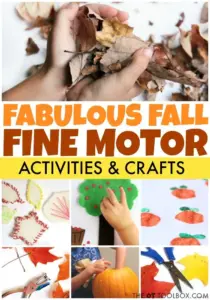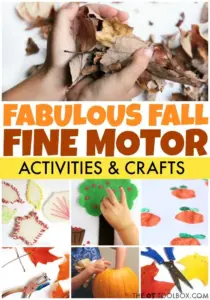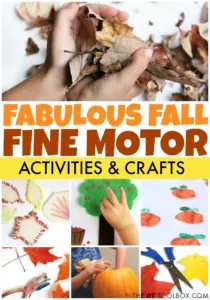







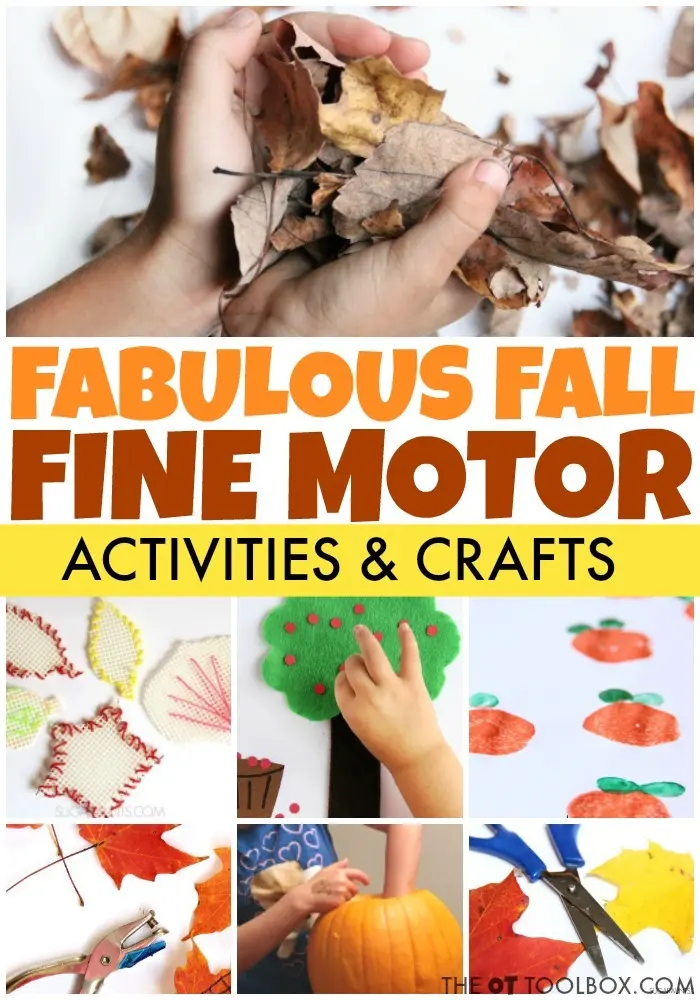
As crisp autumn air settles in and the landscape transforms with vibrant shades of red, orange, and gold, pediatric occupational therapists, educators, and parents are increasingly turning to seasonal themes to support childhood development. Utilizing familiar fall elements—such as apples, falling leaves, pumpkins, acorns, and farm harvests—professionals are finding new, engaging ways to help children build foundational fine motor skills that are essential for everyday tasks, from handwriting to managing clothing fasteners.
Rather than selecting seasonal activities purely for festive entertainment, pediatric specialists are strategically pairing autumn materials with specific developmental needs. These targeted interventions are designed to address core areas including hand strength, finger dexterity, scissor proficiency, visual-motor integration, and handwriting mechanics. Many of these hands-on tasks naturally overlap across multiple developmental domains, allowing therapists to easily adapt activities to suit varying capability levels within a single group or classroom setting.
The seasonal shift offers an opportune moment to integrate motor skill enhancement into everyday play and structured therapy sessions. Whether working with toddlers developing basic pincer grasps or school-aged children refining their tripod grasp and pencil control, autumn-themed manipulatives provide a rich tactile and proprioceptive experience. To support this seasonal transition, pediatric resource platforms like The OT Toolbox have curated specialized collections of therapeutic strategies, printable guides, and sensory-focused activity booklets designed to promote both fine and gross motor development through family-friendly autumn experiences.
Fall Hand Strength Activities
Building adequate hand and finger strength is a critical precursor to academic and self-care tasks. When hand muscles are weak, children often struggle with endurance during writing, opening containers, or manipulating small objects. Seasonal tools provide natural resistance that encourages children to engage their hand muscles without perceiving the exercise as strenuous work.
One popular therapeutic approach involves the use of apple-themed geoboards, where children stretch rubber bands across pegs to recreate specific fruit designs. This physical action provides measured resistance to the fingers and hands while simultaneously demanding precision and controlled release, fostering bilateral coordination and motor planning. By adjusting the thickness of the bands or simplifying visual patterns, practitioners can easily grade the activity up or down depending on the child’s specific developmental stage.
Similarly, traditional play dough exercises remain a staple in pediatric therapy due to their inherent resistance and tactile feedback. Rolling, squeezing, pinching, and pressing soft dough engages the intrinsic muscles of the hands, supporting arch development, wrist stability, and grip strength. Therapists frequently enhance these tactile experiences by hiding miniature autumn items—such as tiny leaves, seasonal erasers, or colored beads—inside the dough, encouraging children to use purposeful grasping patterns to uncover the hidden objects.
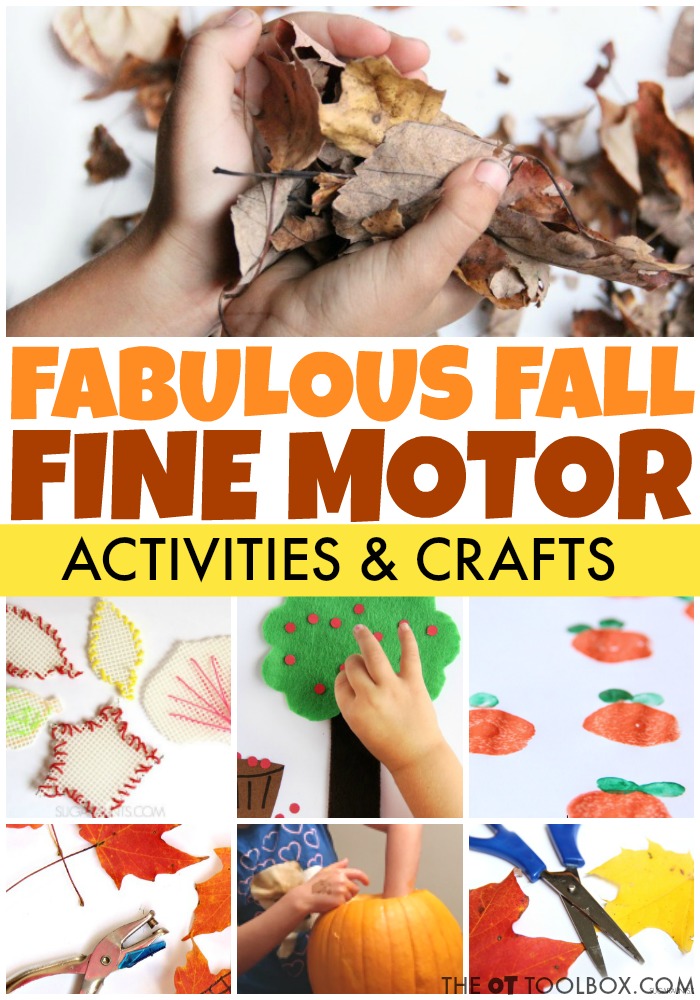
Another effective method for building sustained hand force involves hole-punching activities. By utilizing printed apple or leaf templates and requiring children to punch holes along the borders, therapists can target the gross grasp strength necessary for operating standard tools while incorporating a vital visual-motor component.
Fall Dexterity Activities
Manual dexterity relies on the coordinated, precise movement of the fingers, requiring a complex interplay between speed, precision, strength, and visual-motor integration. When these systems experience a breakdown, everyday manipulation tasks become difficult. To counter this, practitioners utilize small autumn-themed manipulatives—such as pom-poms, seeds, mini erasers, paper clips, and craft materials—to transform routine play into targeted dexterity training.
Fall-themed geoboards featuring tree designs require children to manipulate elastic bands around individual pegs, compelling them to use their fingertips rather than their entire hand to grasp, stretch, and position the materials. This fingertip isolation is essential for developing the refined grasp patterns needed later in life.
In a similar vein, paper clip counting activities utilize laminated, portable cards where children attach the correct number of metal fasteners to an apple illustration. Opening and positioning paper clips demands precise fingertip control and encourages bilateral hand use, with one hand stabilizing the card while the other executes the fine motor action.
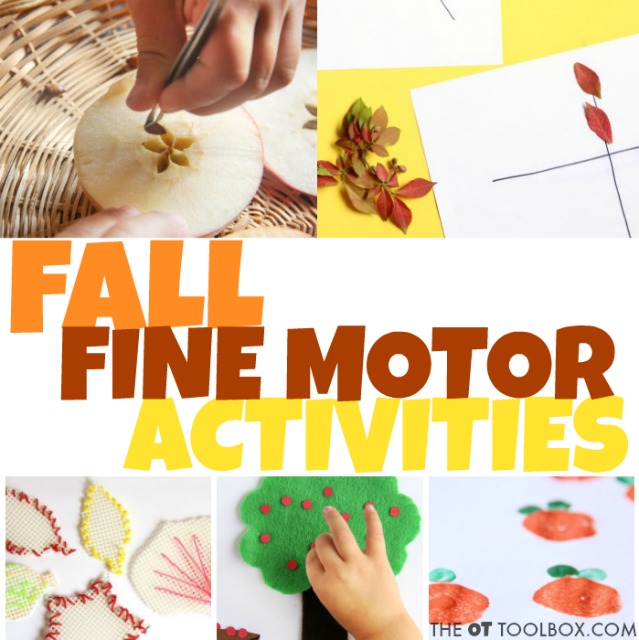
To refine pincer grasps and in-hand manipulation, therapists frequently incorporate craft pom-poms in autumn hues, using tongs or specialized tweezers to transfer the items into ice cube trays or muffin tins. The physical resistance and spatial requirements of the tools can be modified to challenge the child’s precision level progressively.
Fall Scissor Skills and Cut-and-Paste Crafts
Scissor proficiency is an advanced fine motor task that requires the two hands to perform completely different, coordinated functions simultaneously. While the dominant hand opens and closes the scissors along a designated visual path, the non-dominant helper hand must actively stabilize, rotate, and guide the paper.
Specialized cutting practice pages featuring apple outlines and directional lines allow therapists to assess and improve a child’s cutting mechanics, blade control, and bilateral coordination. In regions with changing foliage, children can also cut real leaves into smaller pieces or snip decorative shapes, incorporating natural textures and auditory feedback into their art projects.
Beyond isolated cutting, structured cut-and-paste crafts—such as farm-themed assembly projects—elevate the cognitive and physical demands of an activity. Children are required not only to cut out individual components but also to visually determine spatial orientation, follow a multi-step assembly sequence, and apply adhesive accurately. This multifaceted approach simultaneously targets scissor skills, bilateral coordination, visual-spatial awareness, and executive functioning.
Visual-Motor and Handwriting Integration
A child may possess adequate hand strength and finger dexterity yet still encounter difficulties when a task requires them to copy a design, follow a visual line, or coordinate what they see with how their hands move. Fall-themed directed drawing exercises—focusing on familiar shapes like acorns, leaves, and pumpkins—bridge this gap by asking children to observe a model, plan the beginning and end points of each pencil stroke, and reproduce proper spatial relationships.
Pattern block designs offer another tactile method for combining fine motor manipulation with visual discrimination and spatial awareness, as children select, orient, and position geometric pieces to match a template. Meanwhile, seasonal "I Spy" seek-and-find sheets encourage visual scanning, figure-ground perception, and sustained visual attention, particularly when paired with a fine motor response such as circling items, placing small manipulatives, or attaching clothespins to identified targets.
When transitioning to handwriting, educators and therapists frequently utilize thematic writing prompts rather than practicing isolated letters in a vacuum. These prompts can be easily differentiated to accommodate various developmental levels within a single group. Emerging writers may focus on producing a single fall-related vocabulary word, while beginning writers construct a complete sentence, developing writers respond to a short thematic prompt, and older students plan and draft comprehensive paragraphs. By focusing on specific components such as line awareness, spacing, letter formation, and endurance during meaningful writing tasks, children can seamlessly apply their motor skills to academic content.
As the autumn season progresses, the integration of natural materials—ranging from crisp leaves and acorns to dyed pumpkin seeds and bread ties—provides an endless array of accessible, low-preparation opportunities for children to strengthen their fine motor foundations. By embedding therapeutic goals into seasonal play, professionals and families can ensure that children develop the critical manual skills necessary for academic and daily living success.