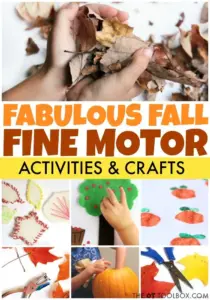







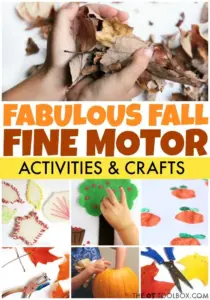
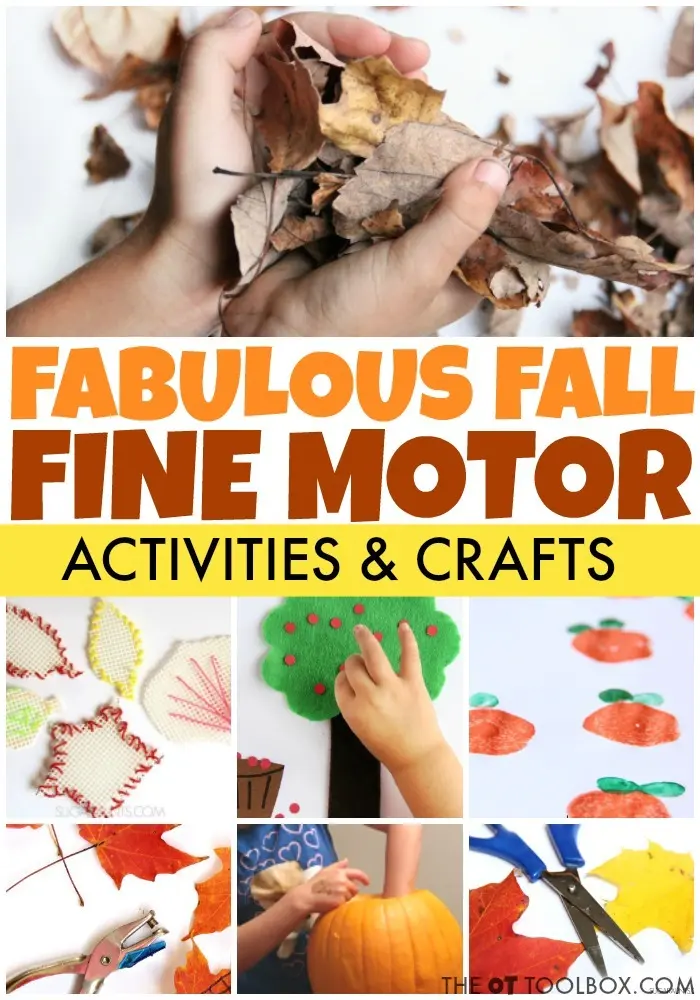
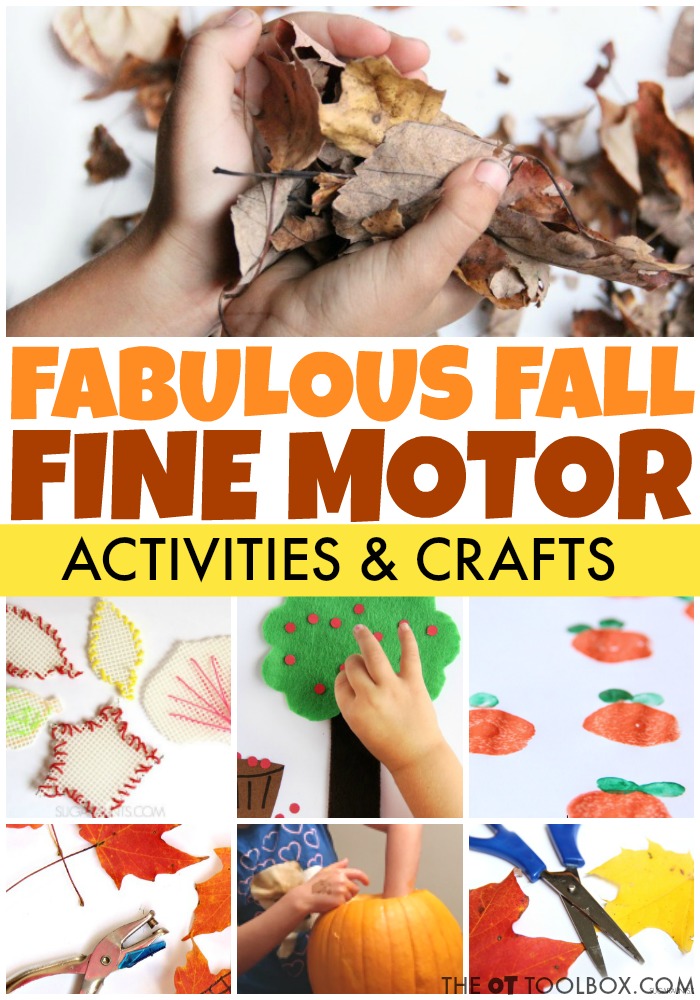
As the leaves begin to change colors and fall, and the scent of autumn permeates classrooms and clinics, pediatric occupational therapists and educators are presented with a seasonal shift that naturally invites targeted developmental interventions. Rather than selecting autumn activities merely for their festive appeal, professionals are increasingly utilizing apples, leaves, pumpkins, acorns, farm themes, and other seasonal materials to systematically address specific fine motor needs in children.
A comprehensive seasonal approach allows therapists to target hand strength, finger dexterity, scissor skills, visual motor integration, and handwriting through engaging, play-based strategies. Because many seasonal activities inherently address multiple developmental domains simultaneously, educators and therapists can easily adapt tasks to match the individual capabilities and therapeutic goals of toddlers, preschoolers, and early elementary students.
Fall Hand Strength Activities
Hand strength is a fundamental prerequisite for academic and daily living tasks, influencing everything from pencil control to managing clothing fasteners. When children exhibit weak hand strength, tasks such as cutting, writing, and opening containers become significantly more challenging. To combat this, therapists utilize resistive materials and specialized tools embedded within autumn themes.
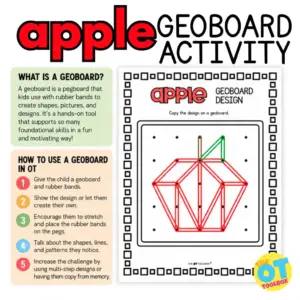
One prominent approach involves the use of apple geoboards, where children recreate specific apple designs by stretching rubber bands across the pegs of a geoboard. The physical act of pulling and positioning the bands provides necessary resistance to the intrinsic muscles of the fingers and hands, while simultaneously requiring precision and controlled release. This activity actively supports hand strength, finger strength, bilateral coordination, visual motor skills, and motor planning. Therapists can easily modify the challenge by introducing thicker or more resistant bands for advanced hand strengthening, or by simplifying visual patterns when spatial demands interfere with the physical exercise.
Play dough represents another versatile cornerstone of seasonal therapy, offering both resistive properties and tactile sensory input. Rolling, squeezing, pinching, and pressing autumn-colored dough provides proprioceptive feedback while naturally strengthening small hand muscles. Therapists frequently incorporate hidden elements, such as mini leaves, seasonal erasers, or colored beads, requiring children to dig and pinch to retrieve them. Similarly, apple-themed hole punch activities engage sustained hand force. By having children punch holes around the perimeter of printed apple shapes, practitioners can target the gross grasp while incorporating a visual-motor component as the child navigates the edge of the paper.
Fall Dexterity Activities and Finger Manipulation
Manual dexterity requires the efficient, coordinated movement of the fingers to execute small, precise actions. When dexterity breaks down, children often struggle with speed, precision, and the coordinated interaction of visual-motor systems. Seasonal manipulatives—including craft pom poms, seeds, mini erasers, paper clips, and small craft materials—transform basic tabletop tasks into dynamic opportunities for advanced finger manipulation.
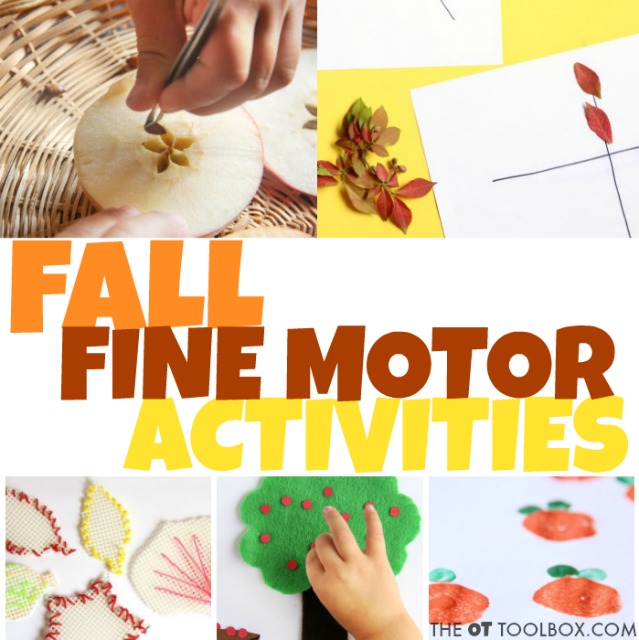
Fall tree geoboards provide another avenue for refining dexterity alongside strength. Manipulating rubber bands around individual pegs challenges children to utilize their fingertips to grasp, stretch, reposition, and release bands with control, discouraging the tendency to pull with the entire hand.
Similarly, apple paper-clip counting activities offer a portable method for addressing fine motor needs. By attaching a specific number of paper clips to laminated counting cards, children practice precise fingertip movements and bilateral hand use, as one hand must stabilize the card while the other manipulates the clip. This exercise reinforces fingertip precision, bilateral coordination, dexterity, eye-hand coordination, and foundational number concepts. Furthermore, fall pom-pom transfer tasks—utilizing tongs or tweezers to move autumn-colored pom poms into ice cube trays or small containers—allow therapists to grade the precision requirements by altering the size of the objects or the gripping tools.
Scissor Skills and Visual Motor Integration
Scissor proficiency demands sophisticated bilateral integration, requiring the dominant hand to open and close the scissors while the non-dominant helper hand stabilizes, rotates, and guides the paper. Seasonal cutting practice pages featuring apples and farm-themed cut-and-paste crafts provide structured pathways for children to develop these critical competencies. Cut-and-paste tasks elevate the developmental demands by requiring children to cut out elements, visually determine their correct spatial orientation, follow an assembly sequence, and apply glue accurately.
Beyond traditional paper cutting, therapists frequently incorporate natural elements, such as gathering and snipping actual fall foliage. This variation introduces unique tactile feedback while encouraging children to practice line awareness and bilateral coordination.
However, fine motor execution is frequently intertwined with visual-motor processing capabilities. A child may possess adequate hand strength and dexterity yet experience difficulty when a task requires copying a design, following a visual line, or coordinating perception with hand movement. To address this, autumn-themed directed drawing, pattern blocks, and seek-and-find activities are widely utilized. Directed drawing encourages children to observe a model of an acorn, leaf, or pumpkin and reproduce its spatial relationships on paper. Pattern blocks combine fine motor manipulation with visual discrimination, requiring children to select, orient, and position specific shapes to match a template.
Handwriting and No-Prep Seasonal Strategies
Handwriting instruction benefits significantly from meaningful, contextual application rather than isolated drill-and-practice methods. Printable autumn writing prompts allow educators and therapists to address specific handwriting components—such as line awareness, spacing, letter size, formation, and writing endurance—within a unified thematic framework. A single set of prompts can be adapted across a diverse caseload, allowing emerging writers to produce a single fall word, beginning writers to compose a sentence, developing writers to respond to short prompts, and older students to plan and write complete paragraphs.
For practitioners seeking immediate, no-prep interventions, everyday items found in the classroom, home, or yard can be readily converted into therapeutic tools. Leaves can be torn, crumpled, punched, cut, sorted, or strung; acorns can be manipulated with tongs, counted, and transferred; and clothespins can be attached to cardboard structures to simulate leaves. Common household items like plastic bread ties offer unique opportunities for finger strengthening and manipulation through seasonal crafts.
Ultimately, integrating autumn themes into occupational therapy and educational settings provides a practical, highly engaging mechanism to foster the foundational physical skills children require for everyday tasks, from managing clothing fasteners to achieving academic success through fluent handwriting.