







The global landscape of child survival reached a significant, albeit precarious, milestone in 2019. According to new mortality estimates released by the United Nations Inter-agency Group for Child Mortality Estimation (UN IGME)—a collaborative body featuring UNICEF, the World Health Organization (WHO), the World Bank Group, and the UN Population Division—the number of deaths among children under five dropped to an all-time recorded low of 5.2 million. This figure represents a monumental shift from 1990, when 12.5 million children under five lost their lives.
For three decades, the global community has focused on systematic interventions to combat the leading causes of child mortality: preterm birth, low birthweight, birth complications, neonatal sepsis, pneumonia, diarrhea, and malaria. These efforts, bolstered by improved vaccination coverage and expanded access to professional maternal care, have saved millions of lives. However, the arrival of the COVID-19 pandemic has cast a long shadow over these achievements. New survey data from UNICEF and the WHO now suggest that widespread disruptions to essential health services, triggered by the pandemic, threaten to reverse years of hard-won progress, potentially placing millions of additional young lives at risk.
A System Under Strain
The decline in mortality rates over the last thirty years was the direct result of a concerted, global commitment to prioritizing health and well-being. Today, more children live to celebrate their first birthday than at any other point in human history. Yet, that progress is currently being undermined by a combination of resource constraints and a pervasive, widespread fear among the public of seeking medical assistance during the pandemic.
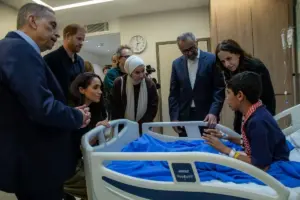
Henrietta Fore, UNICEF Executive Director, expressed deep concern regarding the current trajectory. “The global community has come too far towards eliminating preventable child deaths to allow the COVID-19 pandemic to stop us in our tracks,” Fore stated. She emphasized that the crisis extends far beyond the virus itself. When healthcare systems are overwhelmed, or when expectant mothers avoid hospitals due to the fear of infection, the resulting lack of care transforms them into indirect casualties of the pandemic. Without immediate, urgent investments to restart and strengthen these essential health services, the world risks a spike in preventable deaths among newborns and children under five.
Widespread Disruptions to Essential Care
The scale of the disruption is global and profound. Surveys conducted by UNICEF across 77 countries during the summer months revealed that approximately 68 percent of nations have reported at least some level of disruption to routine child health checks and immunization services. The impact on maternal health is equally concerning: 63 percent of countries reported interruptions to antenatal checkups, while 59 percent reported declines in postnatal care.
A parallel survey conducted by the World Health Organization, which garnered responses from 105 countries, underscored the depth of the crisis. According to the WHO data, 52 percent of responding countries reported disruptions in medical services for sick children, while 51 percent experienced difficulties in managing malnutrition. These interventions—ranging from basic vaccinations to the specialized care provided by midwives—are the bedrock of pediatric survival. For instance, WHO data indicates that women who receive care from professionally trained midwives are 16 percent less likely to lose their babies and 24 percent less likely to experience the complications of a preterm birth.
Dr. Tedros Adhanom Ghebreyesus, WHO Director-General, stressed that the world cannot afford to abandon the strategies that have historically proven effective. “The fact that today more children live to see their first birthday than any time in history is a true mark of what can be achieved when the world puts health and well-being at the centre of our response,” Dr. Tedros noted. “Now, we must not let the COVID-19 pandemic turn back remarkable progress for our children and future generations. Rather, it’s time to use what we know works to save lives, and keep investing in stronger, resilient health systems.”
Identifying the Drivers of Crisis
The reasons for these service disruptions are multifaceted. Countries participating in the UN-led surveys most frequently cited parental fear of infection as a primary driver, leading families to avoid health centers entirely. This has been compounded by severe logistical hurdles, including government-imposed transport restrictions, the sudden suspension or closure of clinics, and a reduction in the availability of healthcare workers. In many cases, medical staff have been diverted to emergency COVID-19 response efforts or are unable to work due to shortages of personal protective equipment (PPE), such as masks and gloves.
Compounding these issues are broader financial difficulties that have limited the ability of families and governments alike to maintain normal operations. The countries hardest hit by these trends—including Afghanistan, Bolivia, Cameroon, the Central African Republic, Libya, Madagascar, Pakistan, Sudan, and Yemen—were already among the most vulnerable, with many recording child mortality rates exceeding 50 deaths per 1,000 live births in 2019.
In Afghanistan, for example, the Ministry of Health has reported a stark reduction in facility visits. With 1 in 17 children dying before their fifth birthday in 2019, the current trend of de-prioritizing pre- and post-natal care due to virus-related anxiety creates a perilous environment for both mothers and newborns. Similarly, in Cameroon, where 1 in 38 newborns died in 2019, survey data indicates that approximately 75 percent of essential services—including obstetric care and newborn health check-ups—have been severely disrupted.
The Vulnerability of Newborns
The crisis is particularly acute for newborns, who were already at the highest risk of mortality before the pandemic began. In 2019, a newborn baby died somewhere in the world every 13 seconds. Alarmingly, the proportion of all under-five deaths occurring during the neonatal period has risen to 47 percent, up from 40 percent in 1990. The disruption of prenatal and delivery care significantly heightens the risk of mortality for this demographic.
Early projections illustrate the potential severity of this trend. In May, modeling from Johns Hopkins University estimated that as many as 6,000 additional children could die every day as a direct result of the secondary impacts of the pandemic on health systems.
A Call for Global Action
These findings represent an urgent mandate for the international community to restore and bolster critical health services. Experts agree that the path forward requires a multi-pronged approach: strengthening the presence of skilled health workers, ensuring the continuity of antenatal and postnatal care, and launching communication campaigns to assuage parental fears and rebuild trust in healthcare facilities.
Muhammad Ali Pate, Global Director for Health, Nutrition and Population at the World Bank, highlighted the stakes of the situation. “The COVID-19 pandemic has put years of global progress to end preventable child deaths in serious jeopardy,” Pate said. “It is essential to protect life-saving services which have been key to reducing child mortality. We will continue to work with governments and partners to reinforce healthcare systems to ensure mothers and children get the services they need.”
John Wilmoth, Director of the Population Division of the United Nations Department of Economic and Social Affairs, added that while the report highlights the undeniable, negative impact of the pandemic, it also serves as a reminder of the need to address persistent systemic inequities. "The new report demonstrates the ongoing progress worldwide in reducing child mortality," Wilmoth observed. "While the report highlights the negative effects of the COVID-19 pandemic on interventions that are critical for children’s health, it also draws attention to the need to redress the vast inequities in a child’s prospects for survival and good health."
As the world continues to navigate the complexities of the COVID-19 crisis, the findings of the UN IGME serve as a sober reminder that the health of the next generation remains one of the most fragile aspects of global development. The task ahead is clear: the focus must remain on building resilient, accessible, and trusted health systems that can withstand the shocks of a pandemic while maintaining the vital care upon which the world’s children depend.