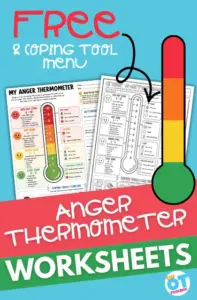









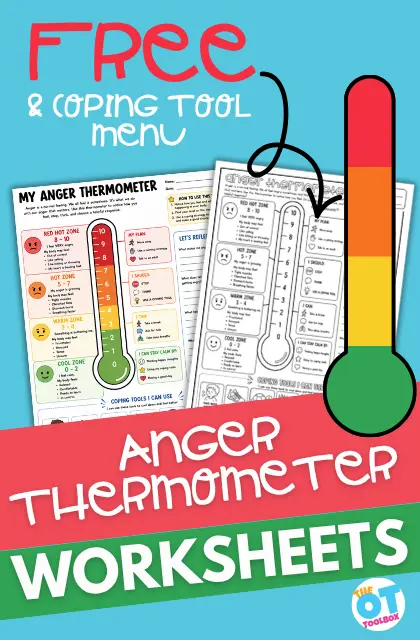
A newly released therapeutic resource is aiming to transform how occupational therapists, educators, and families approach emotional regulation across daily life. Developed by seasoned occupational therapist Colleen Beck, OTR/L, the newly introduced anger thermometer printable provides a structured, visual method for individuals of all ages to identify emotional intensity, recognize early warning signs, and implement constructive coping strategies before reaching a breaking point.
While the concept of an emotional meter is not entirely new within therapeutic settings, this latest tool is specifically designed to support the underlying areas that directly impact daily functional performance. According to clinical frameworks, emotional regulation is deeply intertwined with executive functioning, self-awareness, social participation, impulse control, conflict resolution, and interoception. By addressing these foundational elements, the printable seeks to bridge the gap between internal emotional experiences and external occupational performance in school, work, and social environments.
Anger is a universally experienced human emotion, encompassing normal feelings of frustration, irritation, and disappointment. However, the core challenge lies in how individuals recognize these sensations and respond to them. Without adequate self-awareness and self-regulation strategies, unchecked emotional escalation can significantly disrupt interpersonal relationships, academic performance, workplace participation, and overall well-being. The newly published anger thermometer aims to mitigate these challenges by offering a concrete visual scale that allows children, teens, and adults to track their emotional state along a continuum from calm to completely overwhelmed.

Rather than treating emotions as strictly positive or negative, the visual tool teaches that emotional intensity builds gradually. By incorporating a numerical grading scale, users learn to pinpoint specific levels of feeling. This approach functions similarly to established emotional frameworks such as the Alert Program, which uses car engine analogies, or the Zones of Regulation, which categorize feelings by color. However, this specific instrument narrows its focus onto the nuances of anger, giving clients a precise vocabulary to name their emotional states in real time.
A central pillar of the resource is the cultivation of self-awareness, which serves as a cornerstone for effective emotional regulation. Many individuals struggle to identify early warning signs of distress, often failing to notice their own agitation until it manifests as yelling, arguing, shutting down, or engaging in impulsive behaviors. The anger thermometer encourages users to pause, reflect, and engage in metacognition—the process of thinking about one’s own thoughts and actions. Through guided self-reflection, individuals learn to ask critical questions about their emotional trajectory and identify the specific triggers that precipitate escalation.
Beyond emotional regulation, the tool serves as a powerful instrument for supporting executive functioning skills. When emotions run high, the brain’s executive control systems—responsible for self-monitoring, inhibitory control, emotional management, cognitive flexibility, and problem-solving—often become less efficient. By utilizing the thermometer as a self-monitoring aid, users practice the cognitive discipline required to stop and think before reacting impulsively. This process not only helps individuals manage strong feelings appropriately but also equips them with alternative response options during high-stress scenarios.
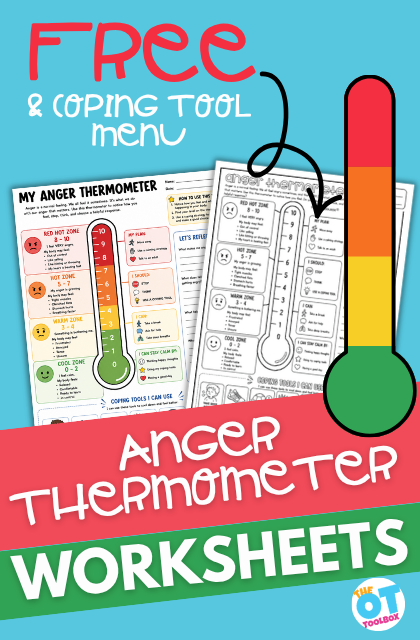
The resource also places significant emphasis on understanding the physiological manifestations of anger. Because strong emotions frequently register in the body long before they alter outward behavior, the worksheet guides users to recognize physical warning signs. These may include elevated heart rates, muscle tension, clenched fists, shallow breathing, or facial flushing. Identifying these somatic clues acts as an early warning system, allowing individuals to deploy coping tools much earlier in the escalation cycle.
Furthermore, the tool addresses external triggers—the specific situations, demands, interactions, or environmental factors that drive up emotional intensity. By helping clients map out their personal triggers and recognize recurring behavioral patterns, the worksheet prepares them to navigate challenging environments with greater confidence and foresight. Once an individual identifies their current emotional level and acknowledges the contributing factors, the framework directs them toward appropriate, pre-selected coping strategies designed to restore calm without suppressing valid emotional experiences.
Occupational therapists frequently address emotional regulation because affective states deeply influence an individual’s ability to participate across meaningful daily occupations. Under the Occupational Therapy Practice Framework, emotional regulation, social interaction skills, and environmental factors are recognized as pivotal determinants of occupational performance. Consequently, tools like the anger thermometer are utilized across diverse intervention settings, including social participation, educational environments, workplace settings, and the execution of activities of daily living.
In educational contexts, the tool helps students follow classroom expectations, handle academic frustration, navigate transitions, and participate more effectively in learning activities. In workplace settings, it assists adults in maintaining professional relationships, accepting constructive criticism, managing occupational stress, and responding appropriately to professional demands. For social interactions, the framework provides a constructive vocabulary for managing peer relationships, friendships, and family dynamics, making it particularly valuable in social skills groups, counseling sessions, and school-based interventions.
A vital component of the worksheet involves structured self-reflection regarding how anger impacts daily participation. By evaluating how emotional spikes affect their ability to complete tasks, engage with peers, and fulfill responsibilities, users can establish concrete connections between internal feelings and real-world outcomes. This process culminates in the creation of a personalized anger action plan. Rather than scrambling for solutions during a crisis, individuals outline specific, graded responses for varying levels of intensity—such as taking a short breathing break during moderate frustration or moving to a safe space and seeking adult support during severe distress.
The release of this comprehensive printable adds to a growing body of practical resources designed to foster lifelong emotional intelligence and independence. By encouraging individuals to pause, recognize their internal states, and make thoughtful, deliberate choices, the tool supports meaningful participation across the lifespan. The printable is currently available through the foundational levels of the publisher’s membership program, with specialized adaptations tailored for teens, college students, and adult populations, continuing a long-standing mission to provide accessible, high-quality resources for therapists, educators, and families.