








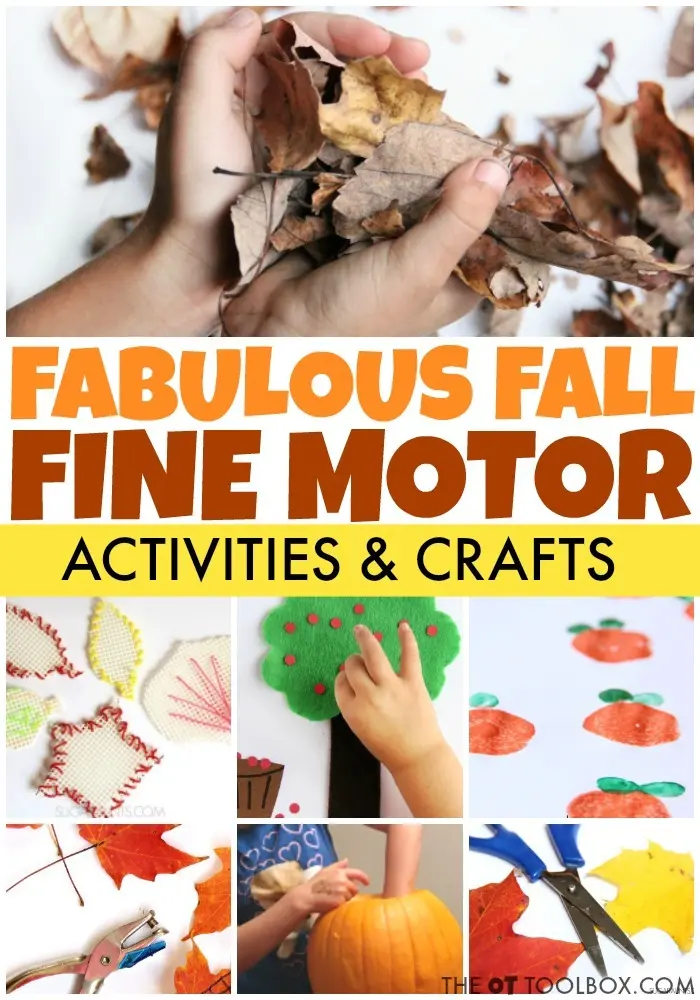
As autumn arrives with changing foliage and crisp seasonal shifts, occupational therapists, educators, and parents are increasingly turning to fall-themed materials to support childhood development. Rather than choosing seasonal projects solely for festive engagement, experts highlight how items like apples, leaves, pumpkins, acorns, and farm-themed elements can be strategically integrated into therapy sessions to target specific fine motor, visual-motor, and handwriting goals.
The transition into fall offers a natural abundance of sensory-rich materials that can be leveraged to address common developmental hurdles. From enhancing hand strength and finger dexterity to refining scissor skills and visual-motor coordination, seasonal activities provide a versatile framework for addressing diverse pediatric needs within a single play session. Many everyday autumn objects naturally demand precision, bilateral coordination, and muscle resistance, making them ideal clinical tools disguised as seasonal fun.
To address foundational hand strength, therapists frequently utilize resistive materials that challenge the small intrinsic muscles of the hand without feeling like clinical work. Classic activities such as working with scented play dough allow children to practice rolling, squeezing, pinching, and pressing, which naturally builds arch development and grip strength while providing proprioceptive sensory feedback. Incorporating hidden elements like mini leaves, fall-themed erasers, or colored beads adds an extra layer of tactile discrimination. Similarly, apple-themed geoboards and hole-punch exercises require sustained hand force and controlled finger resistance, offering targeted workouts for bilateral coordination and motor planning.
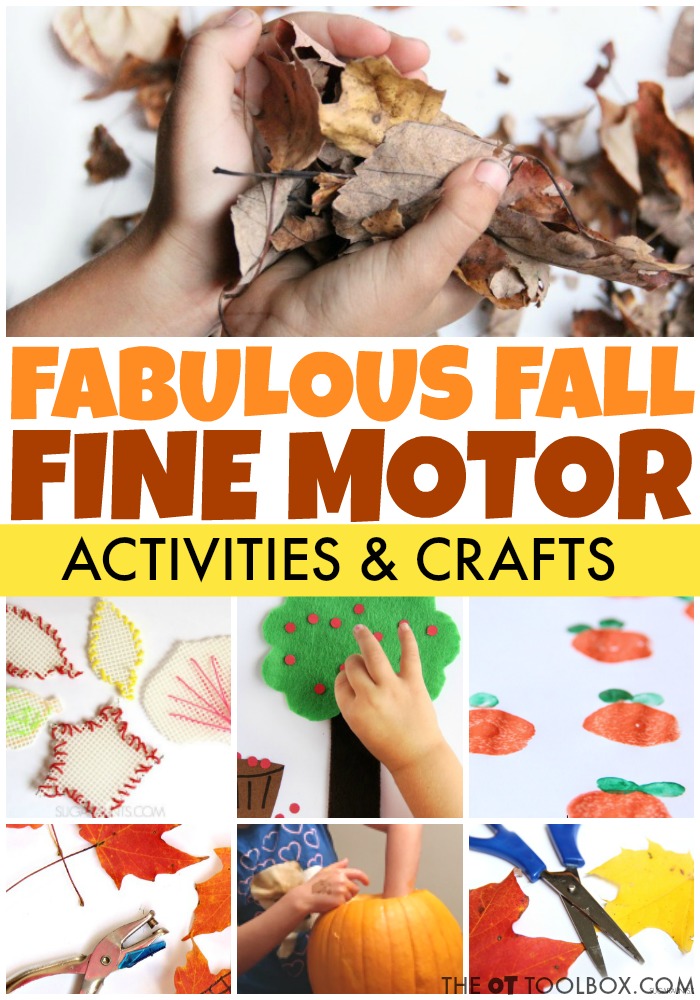
Beyond brute strength, fine motor tasks frequently require advanced manual dexterity—the ability to use the fingers efficiently for small, precise movements. Seasonal manipulatives such as craft pom-poms, seeds, mini erasers, paper clips, and small craft supplies transform simple counting or sorting games into exercises in finger manipulation. For instance, attaching paper clips to apple-themed counting cards or using tongs to transfer fall-colored pom-poms into ice cube trays helps children practice fingertip precision and eye-hand coordination. Geoboard activities featuring fall tree designs further encourage children to grasp, stretch, and reposition rubber bands using their fingertips rather than relying on whole-hand grasps.
Scissor skills represent another core area of development where autumn themes provide engaging practice opportunities. Cutting along structured visual paths, such as apple-themed cutting practice sheets or paper leaves, requires the dominant hand and the stabilizing hand to perform entirely different, coordinated jobs simultaneously. One hand opens and closes the scissors while the other stabilizes, turns, and guides the paper. Cut-and-paste crafts elevate these demands further by integrating executive function and spatial awareness, requiring children to cut out pieces, determine their correct orientation, and assemble them sequentially according to visual instructions.
Visual-motor integration is frequently intertwined with fine motor tasks, as children must coordinate what they see with how their hands move. Even children with adequate hand strength and dexterity can struggle when a task requires them to copy a design, follow a line, or locate a target. Fall-themed directed drawing exercises, pattern block arrangements, and seek-and-find activities address these challenges by prompting children to analyze spatial relationships, reproduce visual models, and sustain visual attention. Incorporating physical boundaries, such as a cutout viewing frame, allows clinicians to grade these activities up or down depending on individual patient needs.
Handwriting development also benefits from seasonal integration, shifting away from repetitive, isolated letter drills toward meaningful writing tasks. Fall writing prompts tailored to different developmental stages—ranging from writing a single word for emerging writers to drafting full paragraphs for older students—allow educators and therapists to address specific components such as line awareness, spacing, letter formation, and writing endurance across an entire caseload using a single set of materials.
No-prep and low-cost natural materials found outdoors or around the home offer additional avenues for developmental support. Simple actions like tearing, crumpling, sorting, and stringing real leaves, picking up acorns with tongs, or manipulating plastic bread ties provide accessible opportunities for children to engage with the season while building foundational motor skills. Whether crunching autumn leaves to support auditory processing and bilateral coordination or dying pumpkin seeds for sorting and pinch-and-play activities, the autumn season provides a rich landscape for pediatric occupational therapy and play-based learning.