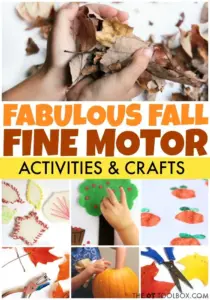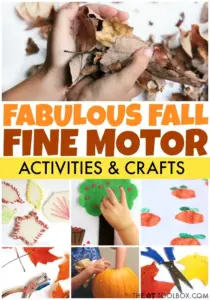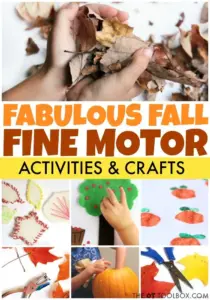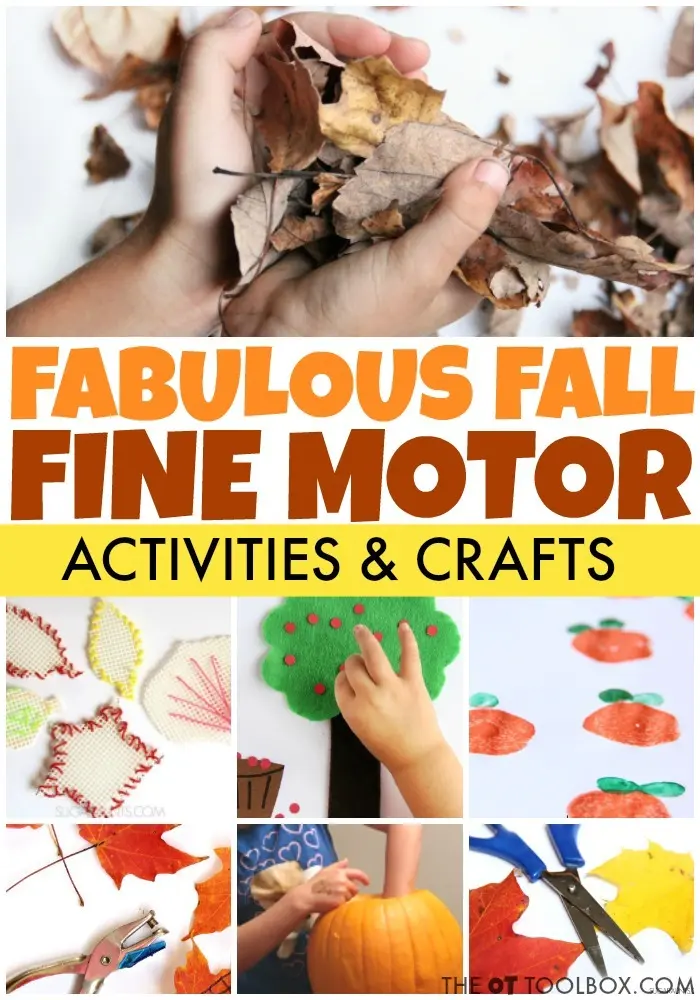
As the autumn air turns crisp and leaves begin to change color, occupational therapists, educators, and parents are turning to seasonal themes to engage children in developmental exercises. Apples, pumpkins, leaves, acorns, and farm motifs are proving to be more than just festive decorations; they provide a natural and engaging medium for working on essential fine motor skills. Rather than selecting seasonal activities at random, professionals are utilizing targeted autumn-themed interventions to address specific developmental needs such as hand strength, finger dexterity, scissor proficiency, visual-motor integration, and handwriting.
The transition into autumn brings a wealth of sensory experiences that can easily be integrated into therapeutic and educational settings. From the tactile feedback of squishy play dough to the resistance of stretching rubber bands, seasonal materials naturally encourage children to practice movements that strengthen the small muscles of the hands. Experts highlight that these activities can address multiple developmental domains simultaneously, allowing therapists to adapt tasks depending on the specific capabilities and goals of each child.
Fall Hand Strength Activities
Hand strength is a foundational component of everyday childhood tasks, from manipulating clothing fasteners and opening lunch containers to holding a pencil correctly. When children exhibit weakness in their hands, occupational therapists often look for resistive activities that build intrinsic muscle strength without feeling like laborious work.
One popular approach utilized in professional toolkits is the apple geoboard. By stretching rubber bands across the pegs of a geoboard to recreate specific apple designs, children encounter natural resistance. This action not only builds finger and hand strength but also demands bilateral coordination, visual-motor control, and motor planning as the child maneuvers the bands with precision. Therapists can easily adjust the difficulty of the task by swapping standard rubber bands for thicker, more resistant alternatives or by simplifying the visual design for children who find the spatial demands too challenging.
Play dough represents another versatile staple in pediatric therapy, offering proprioceptive sensory feedback alongside muscle resistance. Rolling, squeezing, pinching, and pressing the dough challenges the small muscles of the hands while encouraging pincer grasps, tripod positioning, and wrist stability. Therapists frequently enhance play dough activities by hiding small seasonal items like miniature leaves, plastic erasers, or colored beads within the dough, or by pairing the medium with themed prompt cards to encourage purposeful shaping.
Hole-punching activities also serve as an effective method for developing hand strength. Utilizing a handheld hole punch around the printed outline of an apple or a leaf requires sustained hand force and coordinated visual-motor control, effectively targeting the gross grasp patterns necessary for various functional tasks.
Fall Dexterity Activities
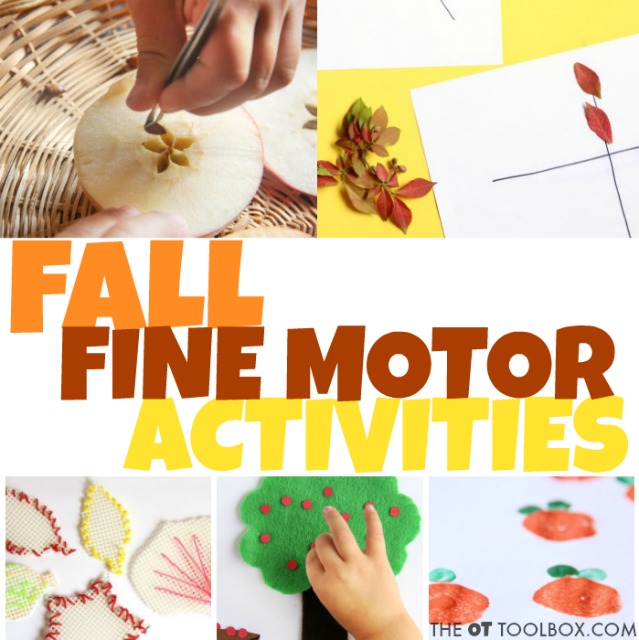
Manual dexterity involves the efficient, coordinated use of fingers to perform small, precise movements. When dexterity breaks down, children often struggle with speed, precision, and the intricate finger manipulations required for academic and self-care tasks. Fall-themed manipulatives—such as craft pom-poms, seeds, miniature erasers, and paper clips—transform simple tasks into targeted dexterity exercises.
Fall tree geoboard activities, for instance, require children to manipulate rubber bands around individual pegs, compelling them to use their fingertips rather than their entire hand to grasp, stretch, reposition, and release the material. Similarly, paper clip counting exercises—where children attach a specific number of metal clips to laminated apple cards—build fingertip precision, bilateral hand use, and number concepts simultaneously. The stabilizing hand holds the card steady while the working hand opens and positions the clip.
Craft pom-poms provide another versatile resource for occupational therapists. By using tongs or tweezers to transfer fall-colored pom-poms into ice cube trays or muffin tins, children practice precise tool use. Therapists can grade the difficulty of this activity by altering the size of the pom-poms or changing the grasping tools to match the child’s developmental level.
Fall Scissor Skills
Cutting with scissors is a complex task that requires the cutting hand and the stabilizing hand to perform entirely different functions simultaneously. While one hand opens and closes the scissors in a rhythmic motion, the helper hand must stabilize, rotate, and guide the paper.
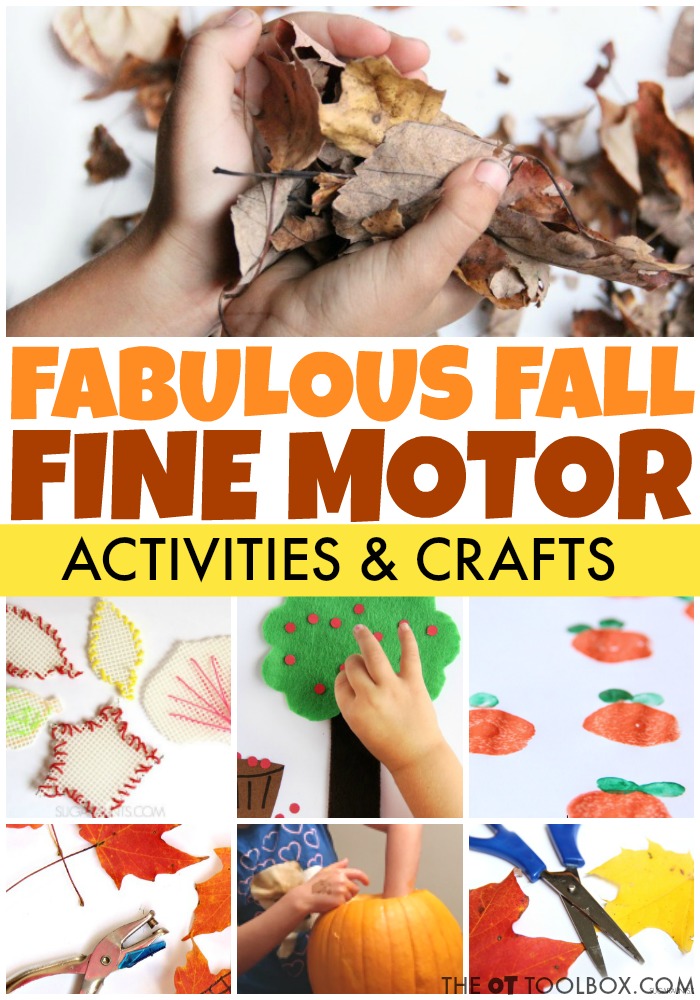
Autumn provides abundant natural and printed materials to practice these mechanics. Apple-cutting practice pages prompt children to follow visual paths and cut along precise lines, allowing therapists to assess how well a child coordinates both hands, maintains a proper grasp, and controls the cutting tool. Beyond printed worksheets, real autumn leaves offer a sensory-rich medium for scissor practice. Children can snip fallen leaves into small pieces, cut around their natural edges, or practice line awareness by cutting along drawn paths.
Cut-and-paste crafts introduce an additional layer of executive functioning and spatial awareness. Beyond simply cutting out pieces, children must visually determine where each component belongs, orient them correctly, follow an assembly sequence, and glue them into position, thereby engaging scissor skills, bilateral coordination, and visual-spatial processing all at once.
Visual-Motor and Writing Integration
A child may possess adequate hand strength and finger dexterity yet still struggle when a task requires them to translate visual information into coordinated motor output. Visual-motor integration bridges the gap between what a child sees and how their hands move, influencing everything from copying shapes to writing legibly on a page.
Fall-themed directed drawing activities ask children to observe a model of an acorn, leaf, or pumpkin and reproduce its spatial relationships on paper. This requires them to determine where lines begin and end, control their pencil pressure, and manage visual-spatial constraints. Pattern block designs combine this visual-motor demand with tactile manipulation, requiring children to select the correct geometric shapes, determine their orientation, and fit them together to complete a seasonal mosaic.
Seek-and-find or "I Spy" activities with autumn themes offer another avenue for building visual attention, visual scanning, and figure-ground perception. Therapists often enhance these visual tasks by incorporating a fine motor element, asking children to circle found items, cover them with small manipulatives, or attach a clothespin to mark the corresponding picture.
Handwriting interventions can also be seamlessly integrated into seasonal themes through targeted writing prompts. Rather than practicing isolated letter formations, children can engage in meaningful writing tasks scaled to their developmental level. Emerging writers might practice a single autumn vocabulary word, beginning writers construct a simple sentence, developing writers respond to a short prompt, and older students plan and draft a complete paragraph. This approach allows educators and therapists to address specific handwriting components—such as line awareness, letter spacing, size consistency, and writing endurance—within a unified classroom or clinic setting.
No-Prep Seasonal Interventions
For professionals and parents seeking accessible, no-prep interventions, everyday natural materials found in the yard or home offer boundless opportunities. Fallen leaves can be torn, crumpled, punched, cut, sorted, or strung onto yarn. Acorns can be collected, counted, sorted, and transferred using tongs. Ordinary household items like clothespins can be clipped onto cardboard trees to simulate changing foliage, and plastic bread ties can be manipulated to strengthen small hand muscles through creative crafting.
As educators and therapists continue to plan seasonal sessions, the integration of these tactile, autumn-themed strategies provides a practical way to support childhood development. By anchoring developmental goals in the familiar, engaging sights and textures of the season, professionals can help children build the foundational fine motor skills they need for daily independence and academic success.