





WASHINGTON, DC — ZERO TO THREE, the nation’s leading early childhood development nonprofit dedicated to ensuring that all infants and toddlers have a strong, supportive start in life, has expressed strong encouragement following the release of President Biden’s proposed fiscal year 2025 budget. The organization noted that the federal spending blueprint includes essential and much-needed funding allocations aimed at bolstering programs that build a solid foundation for young children and their families across the United States.
The announcement comes as early childhood advocates continue to push for structural investments in the foundational years of human development. According to leadership at ZERO TO THREE, the new fiscal proposal addresses numerous critical areas that directly influence the health, stability, and future well-being of the nation’s youngest demographic.
"If implemented, President Biden’s budget released today will make our nation a better and fairer nation to have and raise a baby," said Miriam Calderón, Chief Policy Officer at ZERO TO THREE. "ZERO TO THREE has urged Congress and the Administration to prioritize the needs of babies and their families in five key areas: maternal health, infant and early childhood mental health, child care, housing, and economic security."

Calderón emphasized that the administration’s new proposals build upon the themes highlighted during the recent State of the Union address, where the President outlined a vision centered on empowering families and providing meaningful choices regarding their children’s futures. She noted that the proposed budget expands upon this vision with comprehensive initiatives designed to address the multifaceted nature of early childhood development.
The administration’s fiscal blueprint outlines a series of targeted investments intended to support infants, toddlers, and the broader family units that care for them. These proposed federal commitments aim to alleviate systemic pressures facing parents and caregivers, particularly in marginalized and economically vulnerable communities where access to foundational support services remains limited.

For months, early childhood development advocates, pediatric health professionals, and family support organizations have emphasized the profound long-term impacts of early investments. Research consistently shows that the first three years of life represent a period of rapid neurological growth, establishing the groundwork for future cognitive, emotional, and social development. Proponents of the President’s budget argue that targeted federal funding in areas like maternal health and early childhood mental health is not merely a social service, but a vital economic and public health imperative.
The inclusion of robust child care funding within the proposed budget has also drawn praise from child development advocates. Access to affordable, high-quality infant and toddler care has long been recognized as a crisis for working families, frequently forcing parents out of the workforce or consuming an unsustainable percentage of household income. By prioritizing child care infrastructure and workforce support, the budget attempts to address a major bottleneck in the American economy while ensuring that young children receive nurturing and stimulating early educational environments.
Economic security measures and housing support featured in the proposal are similarly viewed as critical components of infant wellbeing. Stable housing and adequate household income directly mitigate the toxic stress that can negatively impact a developing infant’s brain architecture. When families have reliable access to stable shelter and financial resources, the incidence of family crisis decreases, creating a safer and more nurturing home environment for infants and toddlers.

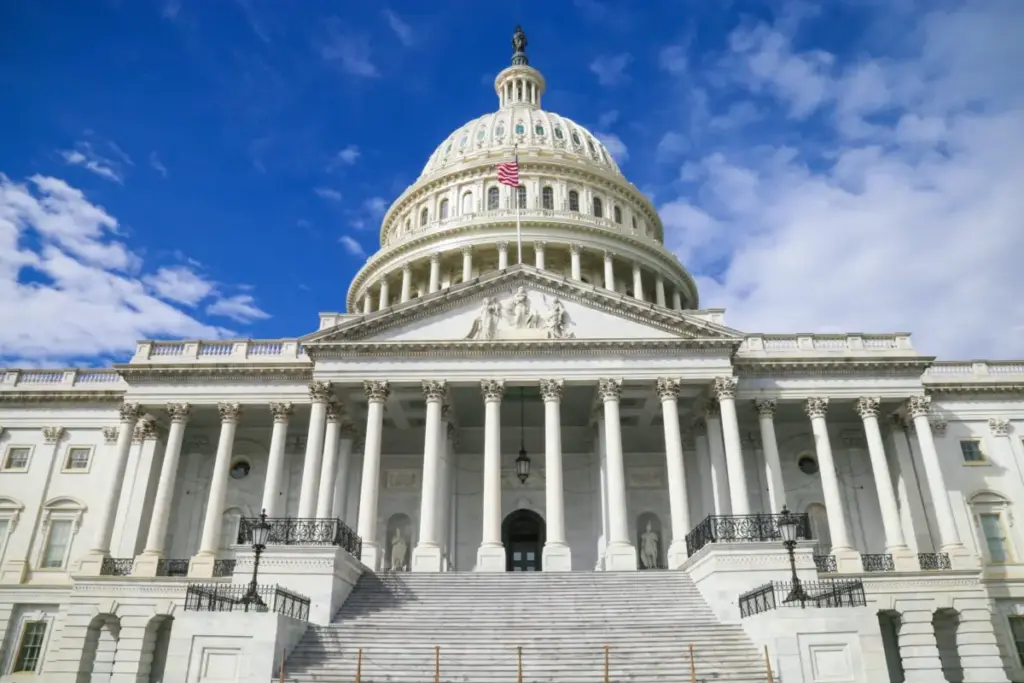
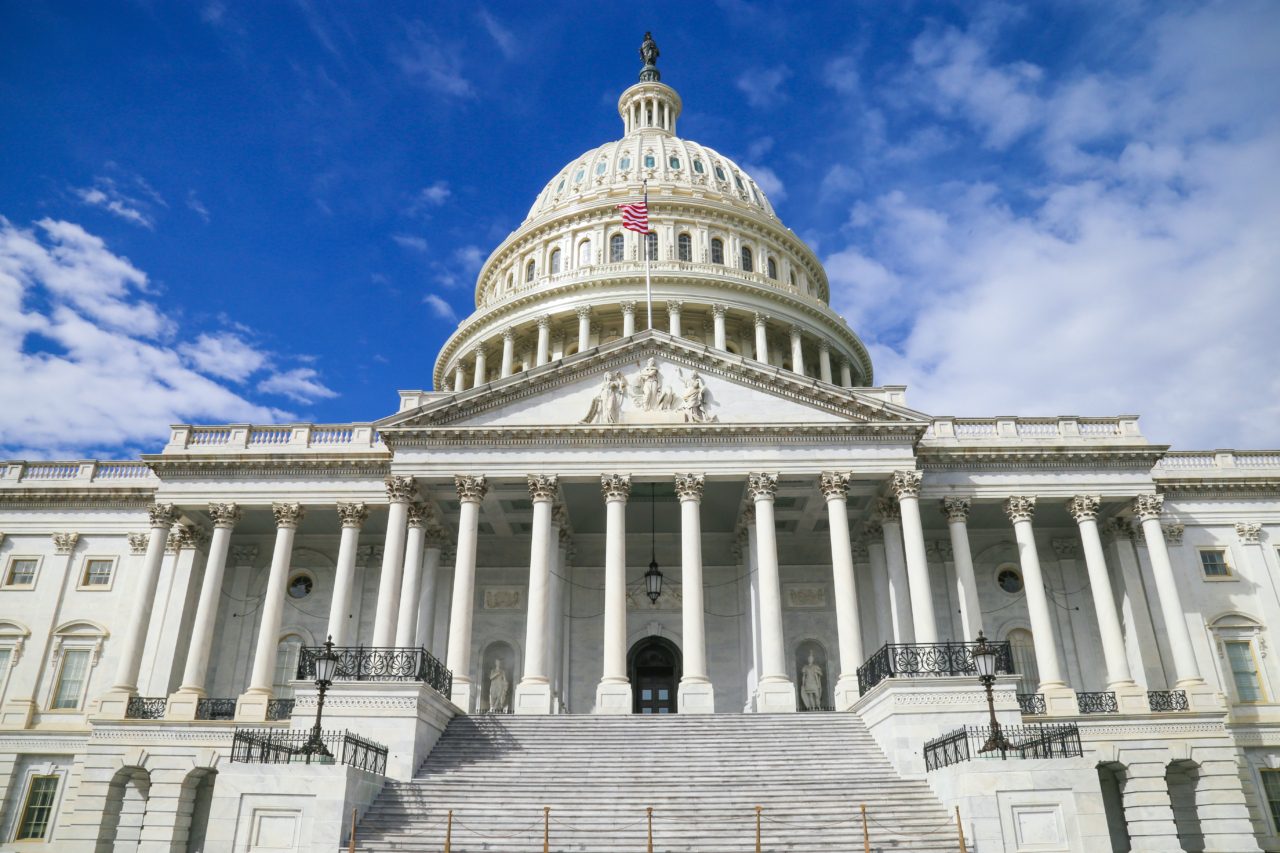
With the release of the budget proposal, the focus now shifts entirely to Capitol Hill, where federal lawmakers will begin the complex and often contentious process of drafting and negotiating appropriations legislation for the upcoming fiscal year. The ultimate success of these early childhood provisions depends heavily on bipartisan cooperation and the dedication of lawmakers who champion family and infant welfare.
"Now, Congress must work with the Administration to deliver for families and babies," Calderón continued, underscoring the urgency of the legislative road ahead. "We look forward to working with Congressional appropriators and our baby champions on the Hill to make these bold proposals a reality."
As the legislative debate unfolds in Washington, advocacy groups like ZERO TO THREE plan to continue mobilizing public support and educating lawmakers on the critical importance of prioritizing the youngest members of society. The organization maintains that federal budget priorities must reflect a commitment to giving every child an equitable chance at a healthy and prosperous life, beginning from day one.