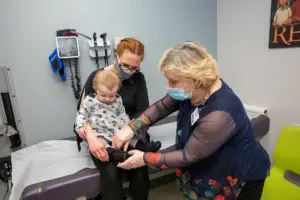











The critical window of human development spanning from birth to three years of age remains the most foundational period for lifelong mental health, cognitive ability, and emotional well-being. As experts, practitioners, and families continue to navigate modern socioeconomic challenges, organizations dedicated to early childhood are rallying resources to support the foundational years of life. At the forefront of this movement, ZERO TO THREE continues to shape the discourse surrounding infant and toddler development, culminating in major announcements for upcoming professional events, including the highly anticipated LEARN 2026 Conference slated for October 27, 2026, in Portland, Oregon.

Advancing Early Childhood Development Through Community and Practice
Understanding child development is widely recognized as essential to helping caregivers mold babies and toddlers into healthy, resilient individuals. Organizations in the early childhood sector actively support parents and caregivers through specialized projects, programs, and comprehensive development resources. These offerings include community care tools, research-based parenting tips, and practical strategies designed to foster strong developmental foundations right from the start.
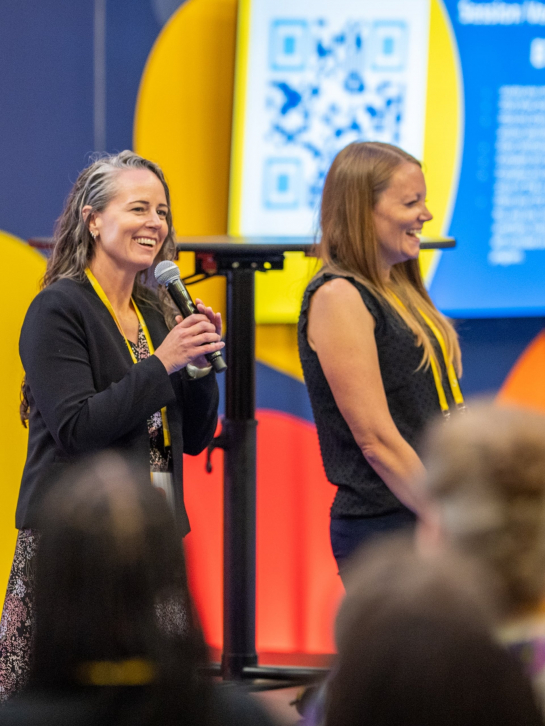
For professionals working across early learning, healthcare, mental health services, and family support programs, specialized training is vital. Comprehensive training programs, professional conferences, free webinars, and educational resources deepen the understanding of early childhood development. By strengthening daily practices, these initiatives ensure that professionals are better equipped to serve young children and their families during their most formative years.


Furthermore, the emphasis on infant and early childhood mental health underscores the profound impact of early experiences. Emotional well-being during infancy requires targeted guidance, prompting experts to develop resources and training focused on nurturing emotional health in babies and toddlers. Through nationwide programs and educational campaigns, advocates strive to raise awareness about how early relationships and environmental factors permanently shape future mental health outcomes.

Groundbreaking Insights and National Challenges
Recent research highlights the staggering neurological growth occurring during early life, noting that from birth to age three, a child’s brain produces more than one million neural connections every second. This astonishing rate of development emphasizes why early intervention and systemic support are paramount.

However, recent findings also reveal mounting pressures on families and caregivers. A national snapshot capturing the realities of life for families with infants and toddlers details a troubling landscape of economic pressure, emotional distress, and daily uncertainty. Even as parents strive to provide stability and love, systemic strains continue to affect household well-being.

Parallel to family stress, the broader infrastructure supporting early childhood faces systemic hurdles, often described as a modern childcare paradox. Across the nation, families struggle to pay for increasingly expensive care, while early childhood educators—the very professionals making this care possible—remain among the lowest-paid workers in the country. This systemic squeeze leads to program closures, financial distress for educators, and difficult choices for working parents, placing young children in the middle of a compounding crisis.

To address these challenges directly, researchers and advocates continue to release targeted resources, reports, and curricula designed to bridge the gap between complex research and everyday application. From guides on parallel play and early literacy curricula like "Word Wonders" to practical discussions on managing parental emotional regulation and navigating screen time decisions, professionals and parents alike have access to evidence-based tools. Additionally, emerging topics such as the integration of artificial intelligence in early childhood environments are being actively examined by subject matter experts to help stakeholders understand both the benefits and risks of modern technological shifts.

Policy, Advocacy, and the Call for National Priority
Beyond direct care and education, systemic reform requires dedicated policy advocacy. Leading organizations actively engage with policymakers, researchers, and state legislators to influence legislation concerning early childhood education, child welfare, and sustainable childcare solutions. By championing policy changes at both local and national levels, advocates work to ensure that the unique needs of infants, toddlers, and their families remain a top priority in public decision-making.

Community empowerment remains another critical pillar of this nationwide effort. By facilitating local training sessions for community organizations and professionals, advocates enhance the capacity of local networks to support children and families effectively. Fostering community collaboration helps create nurturing environments where healthy childhood development can thrive.

Looking Ahead: Events and Opportunities for Engagement
As the early childhood field looks toward the future, professional gatherings offer vital spaces for connection, learning, and renewal. The upcoming ZERO TO THREE LEARN Conference 2026 in Portland, Oregon, scheduled for October 27, 2026, invites educators, clinicians, policymakers, and advocates to gain practical strategies, fresh insights, and meaningful connections. In addition to the flagship in-person conference, specialized virtual learning opportunities—such as sessions exploring wellness and healing through nature, infant room design that encourages autonomy, and specialized research plenaries—continue to expand professional growth opportunities across the sector.

Whether through attending professional development events, utilizing evidence-based parenting resources, supporting public policy initiatives, or contributing philanthropic support to organizations dedicated to the first 1,000 days of life, champions of early childhood continue to drive the mission forward. Ensuring every child receives a strong start remains a collective responsibility that defines the health and future of society as a whole.