







WASHINGTON, DC — ZERO TO THREE, the nation’s leading early childhood development nonprofit dedicated to ensuring that all infants and toddlers are given a strong and healthy start in life, has expressed strong encouragement regarding President Biden’s proposed fiscal year 2025 budget. The organization noted that the newly released federal spending plan incorporates essential and much-needed funding for public programs designed to build a solid foundation for young children and their families across the United States.
The announcement comes as early childhood advocates evaluate the administration’s financial priorities for the upcoming fiscal year. ZERO TO THREE, which has long championed policies aimed at safeguarding the well-being of America’s youngest population, pointed to the broad scope of the budget proposal as a significant step forward for federal support of early childhood infrastructure.
“If implemented, President Biden’s budget released today will make our nation a better and fairer nation to have and raise a baby,” said Miriam Calderón, Chief Policy Officer at ZERO TO THREE.

Calderón emphasized that the organization has consistently urged both Congress and the administration to place the distinct needs of infants, toddlers, and their families at the forefront of national policy discussions. Specifically, the nonprofit has focused its advocacy efforts on five key areas critical to early childhood development and family stability: maternal health, infant and early childhood mental health, child care, housing, and broad economic security.
The unveiling of the fiscal year 2025 budget follows closely on the heels of the President’s State of the Union address, during which the administration outlined a broader vision for the nation’s families. According to ZERO TO THREE, the legislative and budgetary proposals laid out by the President articulate a clear path toward a future where parents and caregivers are empowered with the resources and choices necessary to secure their children’s futures.
“In last week’s State of the Union address, the President laid out a path toward a future where families are empowered and have choices about their baby’s future,” Calderón stated. “This proposed budget expands on this vision with proposals that address all facets of young children’s development.”
The comprehensive nature of the budget reflects an understanding among policy experts that a child’s earliest years are foundational to lifelong health, learning, and emotional well-being. By targeting multiple touchpoints of family life—ranging from the physical and mental health of expectant and new mothers to the availability of affordable, high-quality child care and stable housing—the administration’s proposal attempts to weave a stronger safety net for households with young children.

Advocates argue that comprehensive investments in maternal health are particularly crucial, as the United States continues to face severe maternal mortality and morbidity crises that disproportionately affect women of color. Ensuring access to continuous, high-quality healthcare before, during, and after pregnancy directly impacts infant survival and developmental outcomes. Similarly, prioritizing infant and early childhood mental health recognizes that very young children experience and process stress, trauma, and relational security long before they enter formal schooling.
Furthermore, the inclusion of robust child care funding addresses a chronic crisis that has burdened working families for years. The high cost and limited availability of infant and toddler care frequently force parents—particularly mothers—out of the workforce, creating long-term economic instability for families during a critical period of child development. Paired with initiatives aimed at expanding housing stability and broader economic security measures, such as tax credits and family support programs, the proposed budget seeks to alleviate the toxic stress of poverty that far too many infants and toddlers experience in their earliest months and years of life.
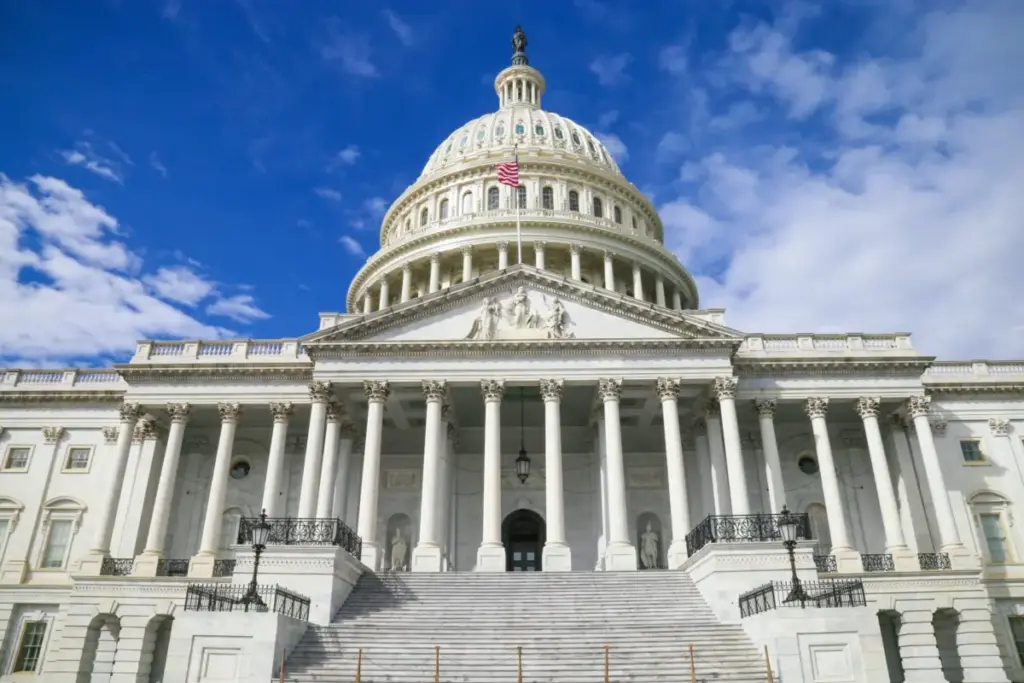
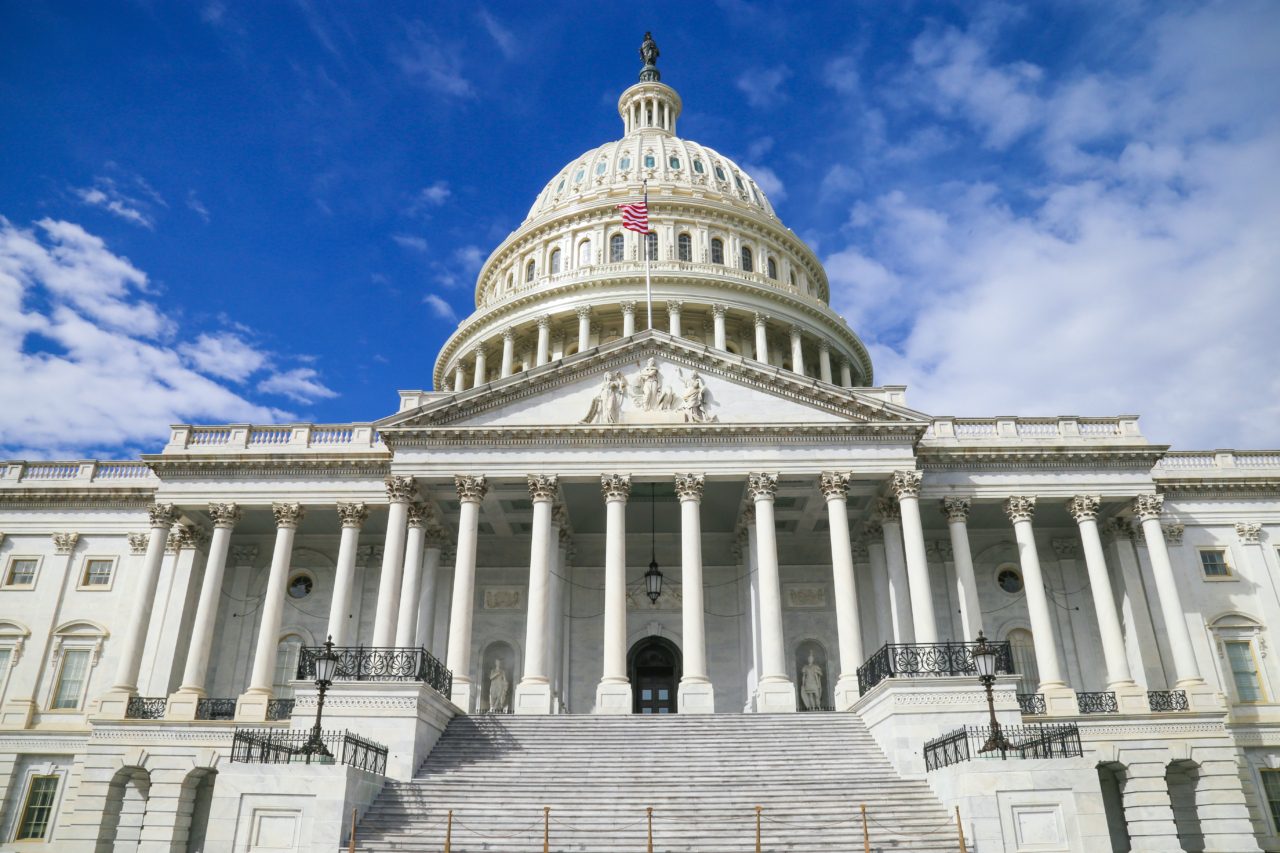
While the release of the presidential budget marks a significant milestone in the federal policymaking process, early childhood advocates are keenly aware that the proposal is merely the first step in a lengthy legislative journey. The ultimate fate of these funding priorities now rests with the United States Congress, where lawmakers on both sides of the aisle will negotiate the specifics of federal spending bills for the upcoming fiscal year.
ZERO TO THREE has made it clear that the organization intends to remain deeply engaged throughout the legislative process, collaborating closely with lawmakers to ensure that the vital interests of babies and their families are not sidelined during budget negotiations on Capitol Hill.

“Now, Congress must work with the Administration to deliver for families and babies,” Calderón concluded. “We look forward to working with Congressional appropriators and our baby champions on the Hill to make these bold proposals a reality.”