









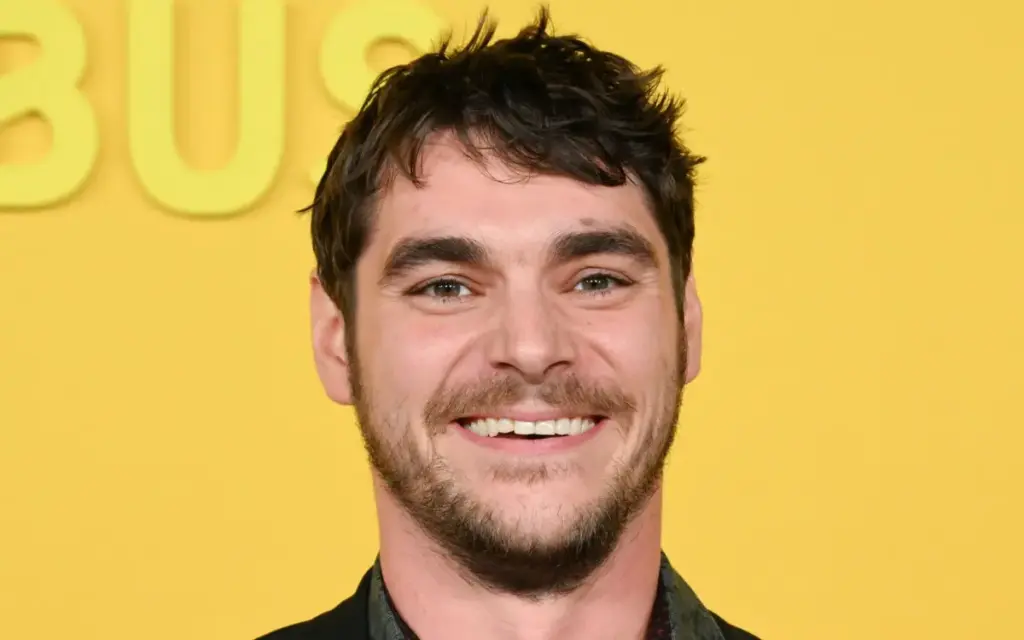
RJ Mitte, the actor whose poignant portrayal of Walter “Flynn” White Jr. on the critically acclaimed AMC drama Breaking Bad made him a household name and a beacon of representation for the disabled community, has died. He was 34 years old.
Mitte, who navigated life with cerebral palsy both on and off-screen, passed away on Monday in Brownsville, Texas. His passing has triggered an outpouring of grief from fans, former colleagues, and disability rights advocates who saw him not only as a talented performer but as a tireless champion for inclusivity in the entertainment industry. While his family and representatives have confirmed the tragic news, reports from outlets including People have indicated that the cause of death was suicide.
For five seasons, beginning in 2008, Mitte served as the moral anchor of Breaking Bad. As the series chronicled the harrowing moral decay of Walter White—the high school chemistry teacher turned meth kingpin—Mitte’s character, Flynn, represented the innocence and stability that his father was systematically destroying. The character’s journey from a supportive, loving son to a man devastated by the revelation of his father’s criminal empire provided some of the show’s most gut-wrenching emotional beats. Fans often cited Flynn as the “heart and conscience” of the series, a testament to Mitte’s ability to convey complex vulnerability without ever resorting to sentimentality.

In an official statement released by his representatives, the loss was described as a profound tragedy. "It is with profound sadness that we share the tragic passing of beloved actor, philanthropist, and passionate disability rights advocate RJ Mitte," the statement read. "Drawing from his own experience living with cerebral palsy, Mitte brought authenticity to the role and built a platform on disability awareness and inclusion."
Beyond his work in front of the camera, Mitte’s commitment to service was extensive. He served as an ambassador for United Cerebral Palsy and Shriners Children’s, leveraging his fame to shine a light on the challenges faced by children with physical disabilities. He also held the role of president of the Mitte Foundation, an organization dedicated to supporting philanthropic efforts and community initiatives aimed at fostering growth and opportunity.
Mitte’s career, which spanned various mediums including television and film, was marked by a steady refusal to be pigeonholed. At the time of his passing, he had been actively promoting his new film, Talking to Strangers. The drama, which showcased his range as a performer, featured Mitte in the role of a "rigid loner with cerebral palsy" who finds an unexpected connection with a woman over a lunch meeting. According to the film’s press notes, the narrative takes a dark and complex turn when the woman discloses her plan to end her own life, a project that critics noted highlighted Mitte’s ability to command a screen with nuance and emotional depth.
The path to stardom for Mitte was, by his own account, an unconventional one. Born in Louisiana and raised in Houston, Texas, his entry into the entertainment world began at a water park. A talent agent, struck by the presence of Mitte’s sister, eventually engaged the entire family. That initial meeting led the family to Los Angeles, where the young actor was signed to a contract. The move required significant adjustment; Mitte, who had already spent years adhering to a rigorous daily schedule of exercise and speech therapy to mitigate the physical effects of his cerebral palsy, began balancing these health requirements with the demands of acting classes.
During his rise to prominence, Mitte remained humble about the luck and labor involved in his success. When speaking to students at Southern Illinois University in 2015, he offered a candid assessment of his professional trajectory. He acknowledged that his career was entirely tethered to the success of Breaking Bad and was pragmatic about the industry’s role in his casting. "I think the acting industry has evolved, and Breaking Bad was a big spearhead for that," he told the students, while also noting that he likely would not have secured the role had he not been living with the same condition as his character.
Mitte was consistently vocal about the way the media industry treats disability. He often pushed back against the "victim" narrative that Hollywood frequently projected, arguing that his condition was a catalyst for personal development rather than a limitation. "Hollywood has portrayed disabilities as a weakness—as something you have to overcome or that you are a victim," he remarked in a 2015 interview. "To me, it’s the complete opposite. To me, a disability is a personal challenge to grow and evolve. I have much bigger plans for my life. I want to keep working, pushing forward and keep creating something that I am very passionate about. The biggest goal in life is to keep your passion, and if you don’t, you lose out."
Throughout his life, Mitte maintained a warm, accessible demeanor. At Breaking Bad reunions and fan conventions, he was known for being exceptionally gracious, frequently speaking with genuine excitement about the impact of the show and the bonds he formed with his castmates. Even as he branched out into other projects—such as the ABC Family drama Switched at Birth and the Netflix superhero series The Guardians of Justice—he remained tethered to his identity as an advocate. He understood that his visibility was a powerful tool in a landscape that had historically excluded people with disabilities from lead roles.
The news of his death has resonated across the industry, with many recalling his commitment to his craft and his community. As the entertainment world mourns, the focus remains on the legacy he leaves behind: a body of work that challenged tropes and a life dedicated to proving that one’s physical reality is not a barrier to achieving a meaningful, impactful existence.
For those struggling with similar feelings or circumstances, resources are available. Help is accessible through the 988 Suicide and Crisis Lifeline, which provides support for individuals in crisis. By calling or texting 988, those in need can reach trained professionals dedicated to providing immediate assistance, echoing the message of support that Mitte himself worked to promote during his lifetime of advocacy.
As the industry and his fans continue to process the loss, it is clear that RJ Mitte’s impact will be felt for years to come. He did not just portray a character who faced adversity; he lived a life that directly challenged the status quo, using his platform to dismantle barriers and inspire a new generation of artists and advocates to define their own futures, regardless of the challenges they may face. His journey, from a young boy in Texas to a recognized figure of global television, stands as a testament to the power of perseverance, passion, and the refusal to let others define one’s potential.