







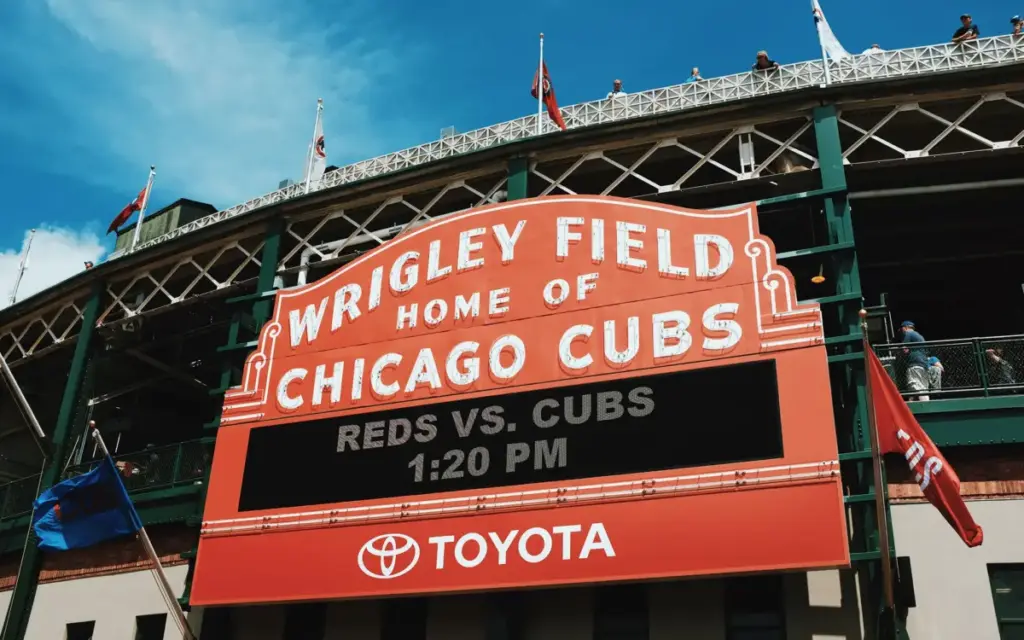
Historic Wrigley Field, the legendary home of the Chicago Cubs, has officially achieved a major milestone in sports accessibility by becoming the first Major League Baseball stadium to be designated as a Certified Autism Center.
The announcement, made jointly by the historic baseball franchise and the International Board of Credentialing and Continuing Education Standards, marks a significant step forward in making America’s pastime more inclusive for individuals with diverse neurological needs. To earn this esteemed designation, the ballpark underwent a comprehensive training and evaluation process, culminating in 80 percent of Wrigley Field employees who interact directly with the public completing specialized autism and sensory-awareness training.
According to officials, the intensive training program was designed to equip stadium staff with the essential knowledge, practical skills, and day-to-day strategies needed to warmly welcome and effectively assist autistic and sensory-sensitive fans. This ensures that every visitor, regardless of their sensory profile, can navigate the historic ballpark comfortably and safely.

The achievement aligns the historic Chicago venue with other facilities within the Cubs organization. Notably, Sloan Park located in Mesa, Arizona, which serves as the team’s Spring Training home, earned its Certified Autism Center designation back in 2020 through the same credentialing board. Furthermore, the city of Mesa itself holds the distinction of being the first Autism-Certified City in the United States, showcasing a long-standing organizational and regional commitment to neurodiversity and accessibility.
David Cromwell, the Chief Operations Officer for the Chicago Cubs, emphasized the philosophy behind the initiative in a formal statement released alongside the announcement.
"Creating the world’s best guest experience starts with understanding that fans experience the ballpark in different ways," Cromwell said. "Our guest-facing staff now have additional tools to communicate with and support autistic and sensory-sensitive fans from the moment they arrive at Wrigley Field."
Affectionately known to generations of baseball fans as the "Friendly Confines," Wrigley Field has long been celebrated for its rich history, ivy-covered brick outfield walls, and old-school charm. However, maintaining a century-old ballpark while modernizing it for contemporary standards of accessibility has required deliberate effort and investment. In recent years, the organization has continually worked to ensure that modern amenities match the historic venue’s welcoming atmosphere.
Prior to earning the Certified Autism Center designation, the ballpark had already established several resources to assist fans with sensory processing differences, partnering with the specialized nonprofit organization KultureCity. Through these existing programs, attendees experiencing sensory overload or related needs can request comprehensive sensory bags at the stadium. These specially prepared bags include practical items designed to ease anxiety, such as high-quality noise-canceling headphones, tactile fidget tools, and non-verbal mood cards that help fans communicate their emotional state to companions and staff.
In addition to portable sensory tools, the Cubs organization provides a dedicated sensory room within the ballpark. This specialized, quiet space offers a refuge for guests who may need a break from the loud noises, bright lights, and bustling crowds typical of a major league baseball game. The room features a variety of calming and interactive installations designed to soothe and engage visitors. Among its amenities are a sound machine to dampen stadium noise, gentle and adjustable lighting, Sparkle Eco Cubs that feature soothing LED lights activated by touch sensors, a tactile texture wall, and other comforting design elements.
Myron Pincomb, the Chief Executive Officer and board chairman of the International Board of Credentialing and Continuing Education Standards, praised the Cubs organization for taking pioneering steps within professional sports.
"Baseball has a unique ability to bring people together, creating memorable experiences for fans of all ages and abilities," Pincomb said in a statement. "By becoming a Certified Autism Center, Wrigley Field is demonstrating its commitment to providing a more welcoming and accessible environment where autistic and sensory-sensitive fans can enjoy the excitement of game day with greater confidence and comfort."
The certification of Wrigley Field reflects a broader, growing movement across the sports and entertainment industries to prioritize neurodiversity inclusion. Historically, large public venues like major league sports stadiums could present overwhelming environments for individuals with sensory processing conditions, autism, PTSD, anxiety, or other neurological variations. Loud public address systems, cheering crowds, flashing stadium lights, and unpredictable crowd movements often created barriers that kept families and individuals from attending live events.
By training frontline personnel—from ticket takers and ushers to guest relations and security staff—venues are changing the dynamic of the live sports experience. Staff members who understand the signs of sensory overload and know how to respond with empathy and practical solutions can transform a potentially stressful outing into a memorable, positive family experience.
As the news of Wrigley Field’s certification spreads across the sports landscape, advocates hope it will encourage other Major League Baseball franchises and sports organizations nationwide to pursue similar accreditations. For the Chicago Cubs, the milestone reinforces their ongoing mission to ensure that the historic gates of Wrigley Field remain open and welcoming to every single person who passes through them, cementing the venue’s legacy of community and inclusion for decades to come.