








A significant breakthrough in mental healthcare has arrived with the recent FDA clearance of a novel, personalized approach to treating post-traumatic stress disorder (PTSD). Developed by California-based Wave Neuroscience in close collaboration with researchers at the Texas A&M Health Institute of Biosciences and Technology, this new medical technology represents a departure from the "one-size-fits-all" model of psychiatric care. By utilizing precise brain activity measurements to guide targeted magnetic stimulation, the system offers a viable, non-pharmacological alternative for patients who have historically struggled to find relief through traditional psychotherapy or medication.
The clinical data supporting this clearance is striking. According to Wave Neuroscience, early clinical trial results demonstrated a 52% reduction in PTSD symptoms among participants. Perhaps more significant for a condition that often proves difficult to manage, 68% of the trial participants achieved clinical remission. While the full, peer-reviewed findings are currently being prepared for public release, the research community is already viewing this technology as a potential inflection point for the millions of individuals currently navigating the debilitating effects of PTSD.
The urgency for such an innovation cannot be overstated. The landscape of PTSD treatment in the United States remains fraught with challenges, particularly among the veteran population. Data from the Department of Veterans Affairs highlights a sobering reality: approximately 17.5 veterans die by suicide each day, and about 7% of the veteran population receives a formal PTSD diagnosis annually. Beyond military service, PTSD is a widespread public health concern, affecting an estimated 6% of the general American population over the course of their lifetimes. Whether triggered by military combat, violent crime, natural disasters, or severe accidents, the condition often leaves survivors in a state of chronic psychological distress.

The Limitations of Conventional Treatment
Since PTSD was first formally recognized as a distinct psychiatric diagnosis in 1980, the standard of care has remained largely static. Modern protocols have leaned heavily on two pillars: psychotherapy—such as Cognitive Behavioral Therapy (CBT)—and pharmacotherapy, specifically selective serotonin reuptake inhibitors (SSRIs) like sertraline and fluoxetine.
While these interventions have undoubtedly helped many, they are far from universally successful. Many patients report that their symptoms persist despite adhering to long-term medication and therapy regimens. A comprehensive 2020 review of PTSD medications painted a stark picture of current limitations, noting that patients typically reported modest improvements of only 6.8 to 10.1 points on standardized symptom assessments. Crucially, the remission rates in those studies topped out at just 10.9%.
Dr. Erik Won, chief medical officer at Wave Neuroscience, argues that the new FDA-cleared technology represents a quantum leap in outcomes. "In comparison to that 2020 study, our FDA trial reported a 52% reduction in symptoms, which is more than a four-fold increase in efficacy," Dr. Won stated. "And more importantly, we saw 68% remission in our clinical trial. It’s really a quantum change, an inflection point in what we can offer to patients. From a clinical care perspective, that’s really meaningful." While he acknowledges that the findings stem from different clinical cohorts and should not be treated as a direct head-to-head comparison, the scale of the difference in reported outcomes suggests a transformative potential for the field.
Harnessing Personalized Brain Stimulation
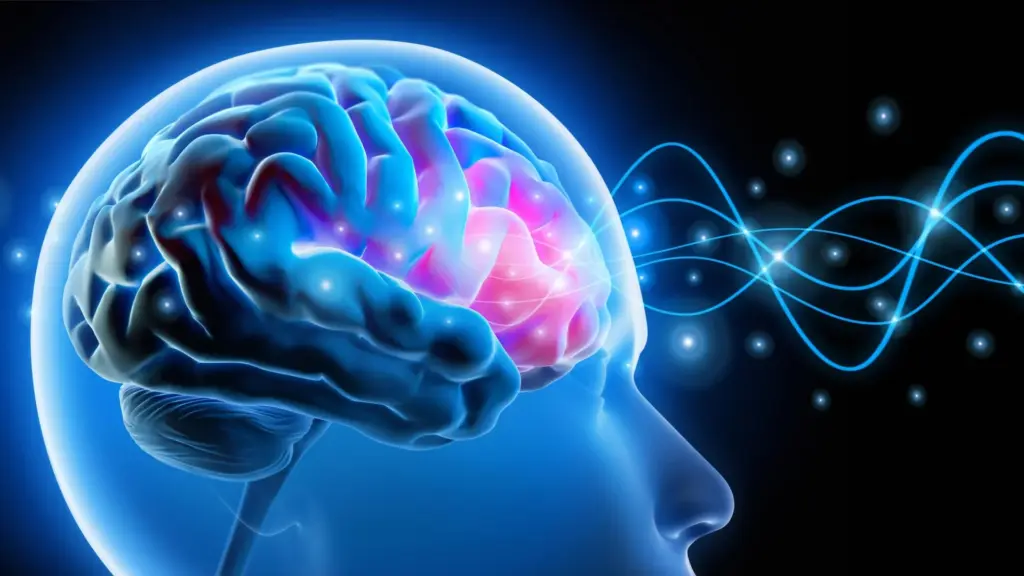
The technology, known as Magnetic e-Resonance Therapy (MeRT), functions by bridging the gap between raw neurophysiological data and therapeutic intervention. The process begins with an electroencephalogram (EEG) to record the patient’s unique electrical brain signals. This data serves as a blueprint for a personalized treatment plan, which is then implemented using transcranial magnetic stimulation (TMS).
During the TMS phase, a specialized coil is positioned against the scalp, delivering magnetic pulses to stimulate specific areas of brain activity. While TMS has been previously utilized for conditions such as treatment-resistant depression, the MeRT system distinguishes itself through the use of an AI-assisted, multivariate algorithm. Instead of applying a standardized magnetic protocol to every patient, the AI tailors the stimulation parameters to the specific neural patterns identified in the patient’s initial EEG.
"TMS was previously FDA cleared for treatment-resistant depression," Dr. Won explained. "By adding an augmented AI-derived multivariate algorithm, we were able to personalize protocols that received FDA clearance for PTSD, which should open up market access to about 13 million people who may be struggling with this condition."
Dr. Kenneth S. Ramos, a physician-scientist at Texas A&M Health with a career rooted in the principles of precision medicine, served as a guiding force in the research. Dr. Ramos has long advocated for moving away from the assumption that every patient with the same diagnosis will respond to the same intervention. He notes that while humans are 99.9% genetically identical, the subtle 0.1% variance is often what dictates individual treatment responses.
To illustrate the paradigm shift, Dr. Ramos employs a simple but effective analogy: "Conventional TMS is like covering a leaking roof with a tarp to manage the immediate water damage. MeRT, in contrast, aims to provide a more targeted solution, comparable to identifying and replacing the specific damaged shingles responsible for the leak." By focusing on measurable biological data, the researchers hope to transition the field of mental health away from the "trial-and-error" prescribing model that has long defined psychiatric treatment.
Regulatory Milestones and Future Outlook
The path to FDA clearance was notably efficient, bolstered by a Breakthrough Device designation granted in 2024. This designation is intended to help promising medical innovations move through the regulatory pipeline with greater speed, facilitating closer communication between developers and the FDA without compromising safety or scientific rigor.
Dr. Rick Silva, executive director of clinical trials at the Texas A&M Health Institute of Biosciences and Technology, noted that the project achieved clearance in just over two years—a remarkable feat in an industry where medical device development often spans a decade. "Patients are why I do what I do," Dr. Silva said. "It’s hard, the failure rate is high, and it’s a lot of work. But when you get to a point where something is going to benefit patients, it’s very professionally and personally gratifying."
For Dr. Israel Liberzon, a distinguished professor of psychiatry and behavioral sciences at the Texas A&M Naresh K. Vashisht College of Medicine and the study’s lead psychiatrist, the clearance is a major milestone because it introduces a rare non-pharmacological tool. "Right now, the FDA has approved only two medications for PTSD, both of which are SSRIs," Dr. Liberzon noted. "This is the first time that in addition to the medication, we have a non-medication option. Psychotherapies require a significant amount of effort, and many patients drop out because the process is too anxiety-provoking. Now we have a unique alternative."
In the clinical trials, patients underwent five treatment sessions each week for approximately five to six weeks. Researchers observed that the improvements appeared to persist well after the final session, suggesting that the therapy provides a durable benefit rather than a temporary relief.
As the team at Wave Neuroscience looks toward the future, the primary focus is on expanding accessibility. They are currently working with stakeholders to ensure that the treatment becomes widely available and covered by insurance, preventing cost from becoming a barrier to care. Dr. Won believes the impact of this work will extend far beyond PTSD, with potential applications for anxiety and depression on the horizon.
For the researchers at Texas A&M, the work is a matter of profound professional commitment. Given the institution’s long history of supporting military and veteran communities, the development of a treatment that can offer relief to those who have sacrificed so much is seen as a fulfillment of their core mission. "Anything we could do to help alleviate that problem is going to go a long way towards making a difference in the individual’s life as well as the people who are close to them," Dr. Ramos said. "I feel very fortunate that we were meaningfully involved in this project."
With this new FDA clearance, the medical community has a powerful new tool in its arsenal—one that treats mental health not as a vague, intangible experience, but as a condition that can be objectively evaluated, precisely treated, and, for many, significantly healed.