







WASHINGTON, DC — ZERO TO THREE, the nation’s leading early childhood development nonprofit dedicated to ensuring that all infants and toddlers have a strong and healthy start in life, has expressed strong encouragement regarding President Biden’s proposed fiscal year 2025 budget. The organization notes that the newly released federal spending plan incorporates essential and much-needed funding for a wide array of programs designed to build a solid foundation for young children and their families across the United States.
The announcement comes as advocacy groups, policymakers, and child development experts evaluate the sweeping federal spending priorities laid out by the administration. For years, organizations focused on early childhood development have emphasized that the earliest months and years of a human life are critical for cognitive, emotional, and physical growth. Proponents of the President’s budget argue that the proposed investments directly reflect this scientific understanding by targeting systemic supports that assist families during the most vulnerable developmental window.
"If implemented, President Biden’s budget released today will make our nation a better and fairer nation to have and raise a baby," said Miriam Calderón, Chief Policy Officer at ZERO TO THREE.

Calderón pointed out that ZERO TO THREE has consistently urged Congress and the Administration to prioritize the comprehensive needs of babies and their families across five foundational areas: maternal health, infant and early childhood mental health, child care, housing, and economic security. These five pillars form the bedrock of the organization’s ongoing advocacy and research efforts, including its flagship "State of Babies" initiative, which tracks the well-being of infants and toddlers state by state.
The release of the fiscal year 2025 budget follows closely on the heels of the President’s recent State of the Union address. In that speech, the President outlined a broader vision toward a future where working families are empowered and afforded genuine choices regarding their children’s care, education, and overall well-being. According to child advocates, the new budget expands significantly upon that vision by introducing concrete proposals and funding mechanisms designed to address the multifaceted nature of early childhood development.
The President’s budget proposal outlines a series of targeted investments aimed at supporting infants, toddlers, and the adults who care for them. While federal budgets must navigate a complex legislative process before becoming law, proponents emphasize that the inclusion of these provisions signals a strong administrative commitment to early childhood issues. These measures are designed to alleviate financial pressures on young families, expand access to critical developmental resources, and improve health outcomes for both mothers and newborns.
Child development experts have long maintained that supporting families with young children yields massive long-term dividends for society as a whole. Investments in maternal health, for instance, are widely viewed as a crucial step toward addressing the nation’s ongoing maternal mortality crisis, which disproportionately impacts women of color and low-income families. By prioritizing maternal health within the budget, the administration aims to ensure that mothers receive comprehensive care before, during, and after pregnancy, thereby creating a safer environment for infants from the very beginning.

Similarly, infant and early childhood mental health initiatives funded through the budget proposal seek to address trauma, stress, and behavioral challenges at their earliest possible manifestation. Experts note that babies are deeply sensitive to their environments and the emotional states of their primary caregivers. Providing resources for mental health support within pediatric care and early learning settings helps identify and mitigate developmental delays and emotional distress before they compound into larger challenges later in life.
Child care and economic security provisions within the budget also address the daily economic strains faced by millions of American households. The high cost of infant and toddler care has long created severe financial bottlenecks for parents, often forcing one parent out of the workforce or consuming a disproportionate share of household income. By seeking to expand access to affordable, high-quality child care and bolstering economic security measures such as tax credits, the budget aims to give families greater breathing room and stability.
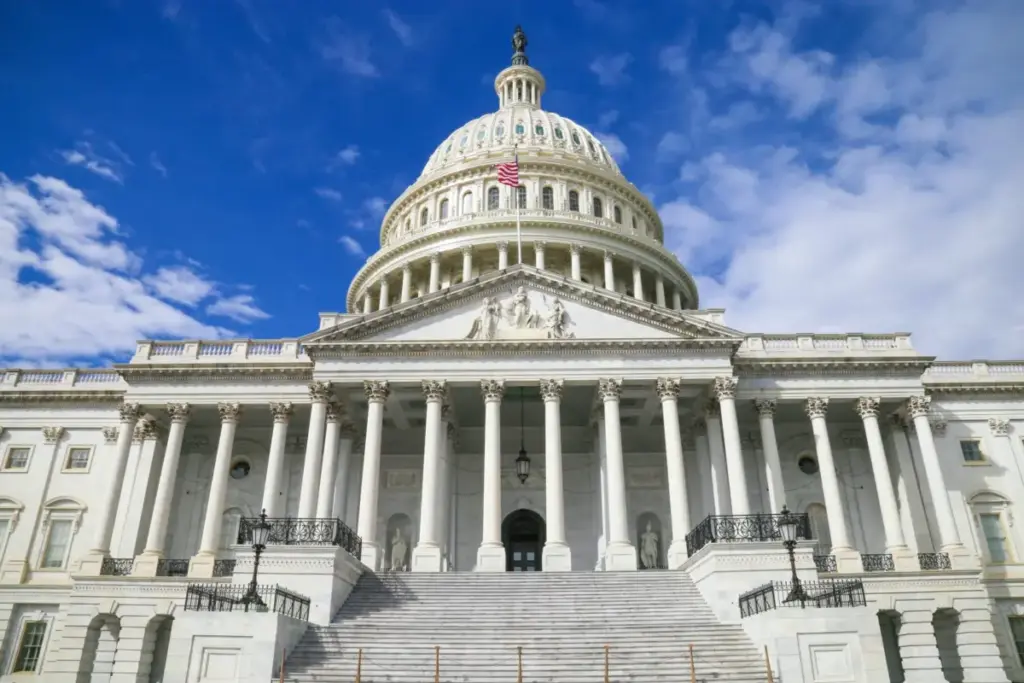
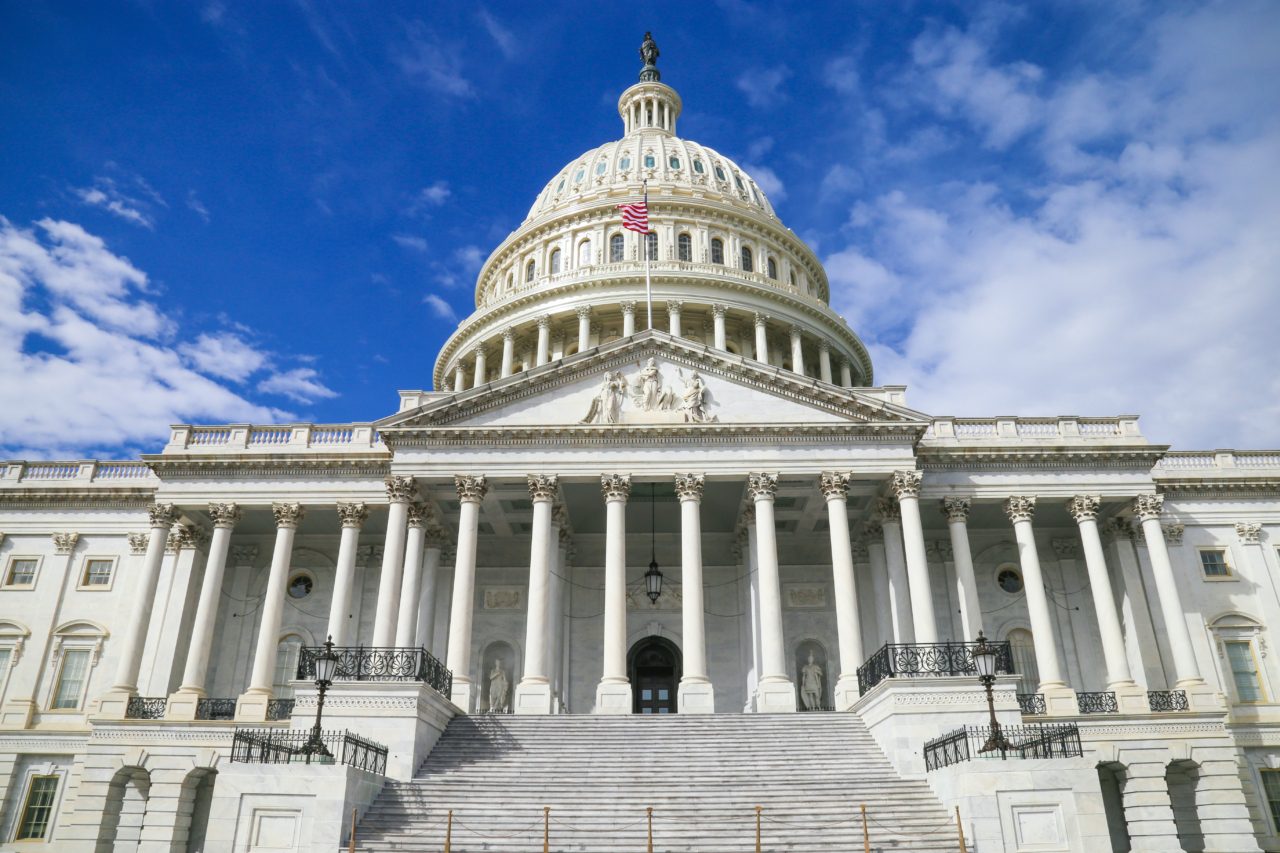
Following the formal unveiling of the budget proposal, the focus now shifts decisively to Capitol Hill, where lawmakers will debate, modify, and vote on the federal spending bills that comprise the fiscal year 2025 package. The ultimate realization of these policy goals will depend heavily on bipartisan cooperation and the dedication of lawmakers who champion the needs of young children.
"Now, Congress must work with the Administration to deliver for families and babies," Calderón continued, emphasizing the urgency of the legislative road ahead. "We look forward to working with Congressional appropriators and our baby champions on the Hill to make these bold proposals a reality."

As the legislative session progresses, advocacy groups like ZERO TO THREE plan to continue mobilizing public support and engaging directly with lawmakers to ensure that the vital needs of infants, toddlers, and their families remain at the forefront of national budgetary discussions.