








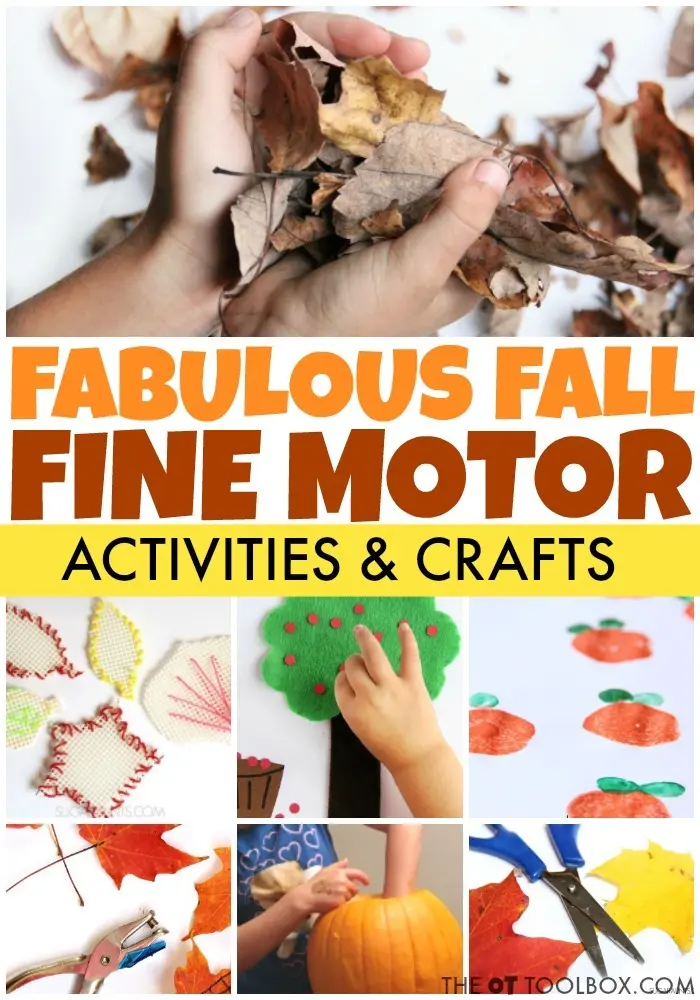
As the autumn season arrives with changing foliage and cooler temperatures, pediatric occupational therapists, educators, and parents are increasingly turning to seasonal themes to support children’s developmental milestones. Rather than selecting seasonal crafts and games for purely aesthetic reasons, specialists are utilizing materials such as apples, leaves, pumpkins, acorns, and farm-related items to target specific fine motor deficits. Programs nationwide are integrating these accessible materials into structured therapy sessions and classrooms to address hand strength, finger dexterity, scissor proficiency, visual-motor integration, and handwriting development.
The integration of seasonal motifs addresses a core challenge in pediatric occupational therapy: maintaining engagement while targeting clinical objectives. Many autumn-themed activities naturally overlap multiple developmental domains, allowing practitioners to adapt exercises based on an individual child’s specific treatment plan. Specialists note that the transition into fall provides a natural influx of tactile and manipulative resources that can be easily incorporated into both clinical settings and home play routines.
Targeted Fall Hand-Strength Interventions
Building foundational hand and finger strength is critical for everyday tasks such as manipulating fasteners, opening containers, and maintaining an efficient pencil grasp. To address weak intrinsic hand muscles, therapists are implementing resistive activities centered around autumn iconography.
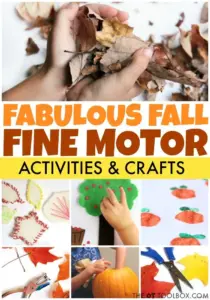
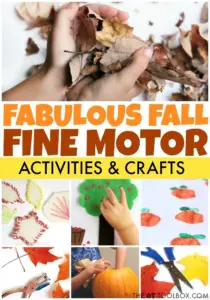
One primary approach involves apple-themed geoboards, where children stretch rubber bands across pegs to recreate specific fruit designs. This physical manipulation provides direct resistance to the fingers and hands while demanding precision and controlled release, simultaneously supporting bilateral coordination and motor planning. Practitioners can easily modify the difficulty by adjusting the thickness of the bands or simplifying the visual patterns.
Play dough exercises remain a cornerstone of pediatric hand-strengthening programs due to the inherent proprioceptive and tactile feedback they offer. Rolling, squeezing, pinching, and pressing autumn-colored dough engages the small muscles of the hands. Therapists frequently enhance these exercises by hiding small seasonal items—such as miniature leaves, plastic acorns, or autumn-themed beads—within the dough, or by utilizing printable cards that prompt children to sculpt specific shapes.
Additionally, simple classroom tools are being repurposed for clinical gains. Apple-themed hole-punch activities require sustained hand force to operate the punch while incorporating a visual-motor component as children carefully align the tool along the printed edges of the paper.
Enhancing Finger Dexterity and Manipulation
Manual dexterity relies on the efficient, coordinated movement of the fingers to execute small, precise tasks. When dexterity breaks down, children often struggle with speed, precision, and visual-motor coordination. To counter this, therapists are utilizing seasonal manipulatives such as craft pom-poms, seeds, mini erasers, paper clips, and small craft supplies to transform standard play into targeted fine-motor exercises.
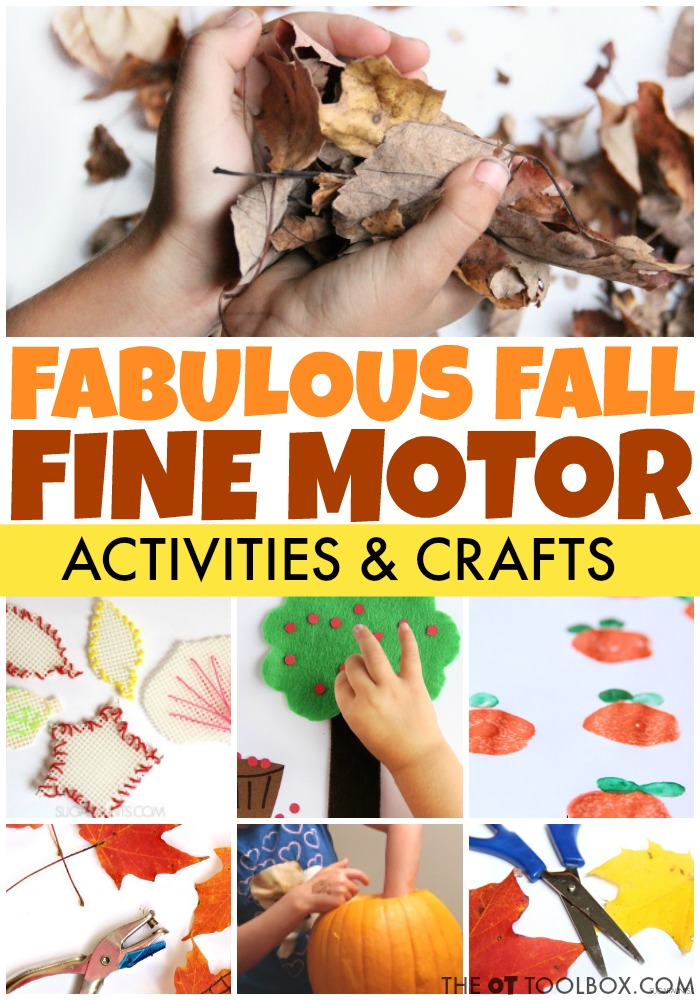
Geoboard activities featuring fall tree designs require children to use their fingertips rather than their whole hands to grasp, stretch, reposition, and release rubber bands with control. Similarly, paper-clip counting tasks—where children attach specific quantities of paper clips to laminated apple cards—encourage precise fingertip movements and bilateral hand use, with one hand stabilizing the card while the other manipulates the fastener.
Transfer tasks using craft pom-poms provide another effective avenue for developing dexterity. By utilizing tongs or tweezers to move fall-colored pom-poms into ice cube trays or muffin tins, children practice pincer control and tool use. Practitioners can grade these activities up or down by altering the size of the objects or the resistance of the tools.
Scissor Skills and Cut-and-Paste Crafting
Scissor use requires advanced bilateral integration, where the dominant hand opens and closes the scissors while the non-dominant helper hand stabilizes, rotates, and guides the paper. Seasonal cutting practice pages provide structured visual paths for children to follow, allowing therapists to assess cutting mechanics, elbow positioning, and paper rotation habits.
Where seasonal foliage is available, children are encouraged to cut real leaves into small pieces or snip them along drawn lines, integrating auditory processing with tactile exploration. In areas without natural falling leaves, paper alternatives serve a similar function. Furthermore, multi-step autumn cut-and-paste crafts elevate developmental demands by requiring children to cut out components, visually determine their spatial orientation, follow an assembly sequence, and apply glue accurately, thereby supporting executive functioning and visual-spatial skills alongside motor control.
Addressing Visual-Motor Integration and Handwriting
Adequate hand strength and dexterity alone do not guarantee success in academic tasks if a child struggles with visual-motor integration—the ability to coordinate visual input with hand movements. Fall-themed directed drawing activities require children to observe a model of an acorn, leaf, or pumpkin, analyze its spatial relationships, and reproduce the lines using a pencil or crayon.
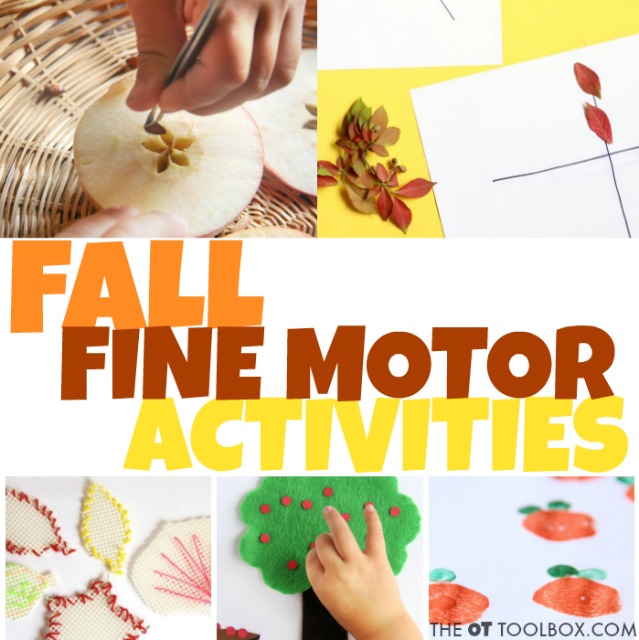
Pattern block designs combine fine motor manipulation with visual discrimination, requiring children to select the correct geometric shapes and orient them to match a template. Meanwhile, seasonal "I Spy" and seek-and-find worksheets encourage visual scanning, figure-ground perception, and sustained attention. Therapists often enhance these visual tasks by introducing fine motor elements, such as having the child circle found items, cover them with small manipulatives, or mark them using clothespins.
Handwriting interventions have also shifted toward meaningful, context-driven tasks rather than isolated drill practice. Printable fall writing prompts allow educators and therapists to target specific handwriting components—such as line awareness, letter sizing, spacing, and endurance—based on a student’s current developmental stage. Emerging writers may focus on producing a single seasonal word, while developing writers compose sentences, short paragraphs, or creative reflections.
No-Prep and Resource Integration
Many developmental objectives can be met using readily available natural items without requiring extensive preparation. Yard materials such as leaves and acorns can be torn, crumpled, sorted, counted, or threaded. Common household objects, including plastic bread ties, can be repurposed for specialized craft projects that challenge fine motor control.
As educational and clinical facilities plan their seasonal programming, professional networks such as The OT Toolbox continue to supply standardized, ready-to-use printables and membership resources designed to target hand strength, scissor proficiency, sensory processing, and executive function. By embedding these clinical goals into engaging autumn-themed activities, professionals aim to support essential motor milestones while fostering positive associations with learning and play.