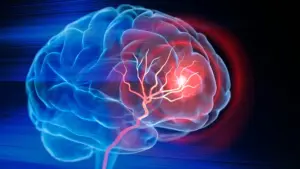








A team of researchers at the University of Birmingham has unveiled a significant potential breakthrough in the treatment of neuroinflammation, identifying a receptor that, when blocked, can substantially mitigate harmful inflammatory responses in human brain tissue. This discovery, published in the journal Brain, centers on the P2X7 receptor—a protein that the team describes as a key driver of inflammatory signaling within the central nervous system.
The implications of this research are vast, offering a glimmer of hope for patients suffering from a wide spectrum of neurological and psychiatric conditions. By targeting a receptor that is already well-understood and for which drug candidates already exist, the researchers believe they have opened a viable pathway for the repurposing of existing therapeutics. This could accelerate the development of treatments for debilitating conditions including Alzheimer’s disease, Parkinson’s disease, multiple sclerosis, traumatic brain injury (TBI), as well as inflammation-linked psychiatric disorders such as depression and schizophrenia.
Blocking a Key Driver of Brain Inflammation
Neuroinflammation is a complex biological process that, while initially intended to protect the brain from injury or infection, can become chronic and destructive if left unchecked. In many neurodegenerative diseases, the brain’s inflammatory response is thought to go into overdrive, causing collateral damage to healthy neurons and accelerating cognitive decline.

Led by Professor Nicholas Barnes from the University of Birmingham’s College of Medicine and Health, the research team set out to pinpoint the mechanisms behind this pathological inflammation. Their investigation focused on the P2X7 receptor, which is known to facilitate the release of cytokines—the chemical messengers that orchestrate the inflammatory response. In a state of chronic disease, the excessive release of these proteins can lead to a damaging cycle of inflammation.
To test their hypothesis, the researchers employed a two-pronged approach. They utilized live cultures of human brain cells and, crucially, slices of human brain tissue obtained during necessary neurosurgical procedures. By applying a specific antagonist—a drug designed to block the P2X7 receptor—the team observed a significant reduction in the inflammatory signaling pathways.
"This exciting discovery marks a major step toward repurposing existing therapeutics to combat neuroinflammation at its source," Professor Barnes stated. He emphasized that by identifying this specific receptor as a primary target, the medical community may finally have a strategy to address some of the most widespread and treatment-resistant brain disorders. The study highlights that the ability to modulate this receptor could be the missing link in managing conditions where current pharmacological options are either ineffective or non-existent.
Studying the Brain’s Immune Cells
Central to this research is the role of microglia, the resident immune cells of the brain. Microglia act as the brain’s "first responders," constantly monitoring the environment for signs of damage or pathogens. Under healthy conditions, they maintain brain homeostasis; however, when they become activated by injury or disease, they can undergo a transformation that leads them to release inflammatory signals that are harmful to surrounding neural tissue.
One of the most persistent challenges in neuroscientific research has been the difficulty of studying human microglia. Once these cells are extracted from the brain, they typically lose their defining characteristics and functional properties, likely due to the absence of the complex regulatory signals found in the natural brain environment. This limitation has historically hampered the development of new drugs, as findings in animal models often fail to translate effectively to human biology.
To overcome this hurdle, the University of Birmingham team developed an innovative method for creating microglia-like cells. By converting peripheral monocytes—a type of white blood cell collected from human blood samples—into microglia-like cells, the researchers created a robust, scalable platform for experimentation. This cellular conversion process is particularly significant because it mirrors a natural transformation that occurs in the human brain during the aging process, providing a more accurate reflection of human physiology than traditional models.
"Studying human microglia has long been a major challenge," Professor Barnes explained. "Our approach involved the use of monocyte-derived microglia which provide a powerful, scalable, and virtually unlimited platform for studying human microglial biology with unprecedented precision."
Using these lab-grown cells, the researchers were able to observe how microglia behave as they undergo stress and eventually die. They found that as these cells become damaged, they release signals that trigger further inflammation—a process that the P2X7 receptor antagonist successfully interrupted. This ability to interfere with the signaling cascade at a cellular level provides a clear mechanism of action for potential future therapies.
From Lab Models to Human Brain Tissue
While the initial results in monocyte-derived microglia were promising, the team understood that the ultimate test of any neurological treatment must be its efficacy in human brain tissue. The transition from lab-grown cells to actual human tissue slices is a critical step in translational medicine, ensuring that the biochemical pathways identified in a petri dish remain consistent within the complex, three-dimensional environment of the human brain.
By applying their P2X7 receptor antagonist to tissue slices obtained from neurosurgery, the researchers were able to confirm that the inflammatory reduction observed in their lab-grown cells was replicated in the human brain. This validation is a significant milestone, providing the necessary evidence to advocate for further clinical investigation.
The successful translation of these findings suggests that the next logical phase for this research is the development of clinical trials. These trials would be aimed at patient populations for whom there are currently very few, if any, effective pharmacological treatments. In cases of traumatic brain injury, for example, the primary goal is often to stabilize the patient, but there is little that can be done to stop the secondary, inflammatory-driven damage that occurs in the days and weeks following the initial trauma. Similarly, in neurodegenerative conditions like Alzheimer’s and Parkinson’s, the ability to slow or modulate the underlying inflammatory process could fundamentally change the trajectory of the disease.
"Having identified the response in the human monocyte-derived microglia, this provided the impetus to translate these findings with human brain obtained following neurosurgical procedures," Professor Barnes noted. "This successful translation means the next stage for this research is the development of clinical trials in patients with neurodegenerative conditions and patients with TBI where there are no effective pharmacological treatments to reduce the neuroinflammation and arising damage."
As the research moves toward clinical application, the focus will likely shift to assessing the safety and efficacy of existing P2X7-blocking drugs in a clinical setting. Given that these drugs are already in existence, the regulatory path to human testing may be more streamlined than it would be for a novel, unproven compound. By leveraging the existing body of pharmacological knowledge, the University of Birmingham team hopes to translate their lab-based success into meaningful improvements in patient care, potentially providing a new therapeutic avenue for some of the most challenging conditions in modern neurology and psychiatry.