








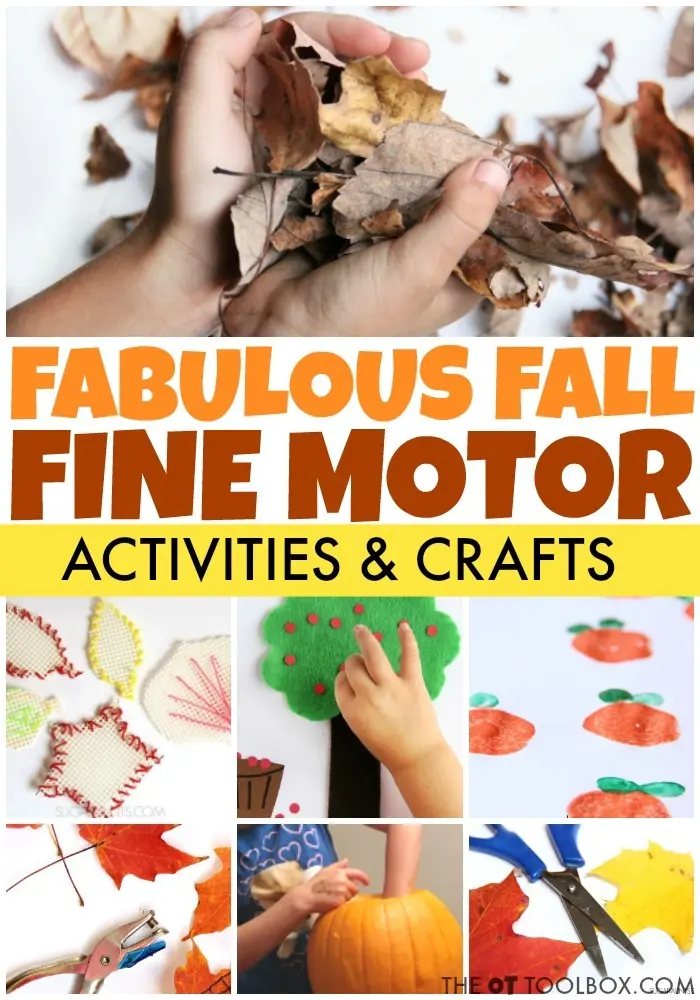
As autumn arrives with changing foliage and cooler temperatures, pediatric occupational therapists and educators are increasingly turning to seasonal themes to engage children in developmental exercises. Leveraging familiar fall elements—such as apples, pumpkins, leaves, acorns, and farm produce—professionals are finding new avenues to target essential fine motor skills, hand strength, and visual-motor coordination without relying on rote, repetitive drills.
Rather than selecting seasonal crafts purely for decorative purposes, pediatric specialists are aligning fall activities with specific clinical objectives. These targeted interventions are designed to address core developmental areas, including hand strength, finger dexterity, scissor proficiency, visual-motor integration, and handwriting mechanics. Many seasonal tasks naturally overlap across multiple developmental domains, allowing therapists and educators to adapt exercises to meet the diverse needs of toddlers, preschoolers, and early elementary students.
The transition to autumn provides a natural backdrop for sensory-rich play that supports fine and gross motor development. Incorporating natural and thematic elements into daily routines offers children tactile and proprioceptive feedback, which is critical for building the intrinsic muscles of the hand.
Fall Hand Strength Activities
Hand strength is a fundamental prerequisite for many functional tasks, ranging from manipulating clothing fasteners to holding a writing utensil. Weakness in the small muscles of the hands can hinder a child’s ability to sustain effort during writing or self-care routines. Therapists frequently utilize resistive materials during the autumn season to address these deficits through play.
Apple geoboards represent one method for building finger and hand strength. By stretching heavy-duty rubber bands across pegs to recreate apple outlines, children encounter physical resistance that challenges their finger strength and bilateral coordination. This activity simultaneously demands visual-motor planning and controlled release as the bands are positioned and secured. Therapists can modify the difficulty by adjusting the thickness of the bands or simplifying the target designs.
Play dough continues to be a staple in pediatric settings, offering both resistive and tactile input. The act of rolling, squeezing, and pressing pliable dough engages the intrinsic hand muscles, supporting arch development and stabilizing the wrist. Therapists often enhance seasonal play dough sessions by embedding miniature fall items, such as plastic leaves, small erasers, or autumnal beads, requiring children to use a pincer grasp and in-hand manipulation skills to retrieve the hidden objects.
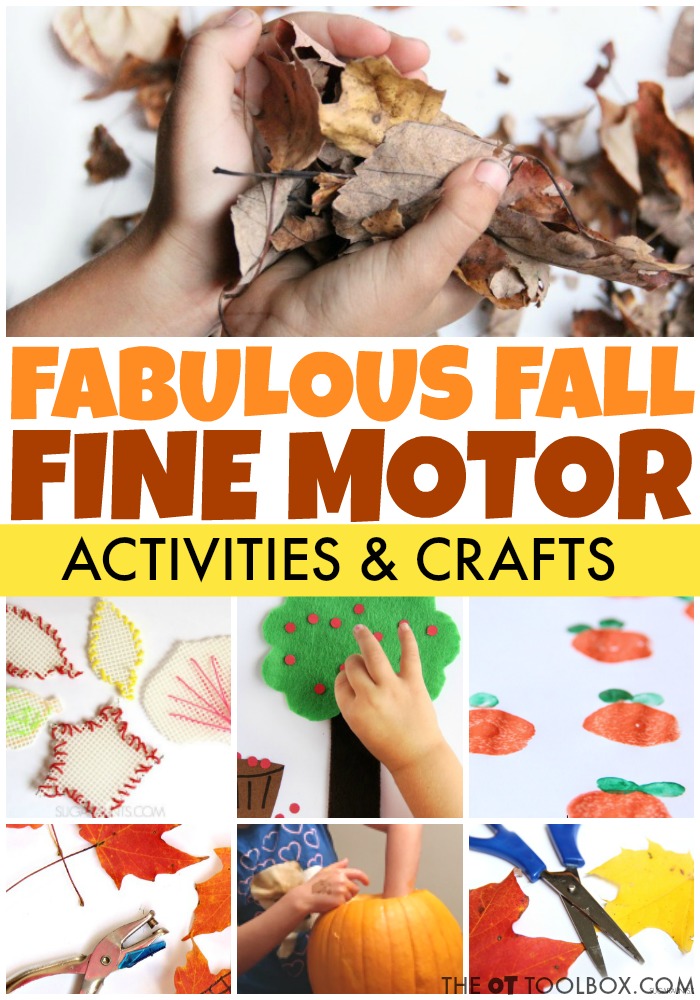
Hole-punching activities provide another effective avenue for building hand strength. Using a standard hand-held hole puncher along the printed borders of apple shapes requires sustained manual force and precise visual-motor alignment. The repetitive motion strengthens the gross grasp while reinforcing eye-hand coordination.
Fall Dexterity and Manipulation
Manual dexterity involves the coordinated, precise movement of the fingers to manipulate small objects efficiently. When a child struggles with dexterity, academic and play tasks that require speed and precision can become frustrating. Autumnal manipulatives—such as craft pom-poms, seeds, paper clips, and small craft supplies—serve as practical tools for refining these fine motor pathways.
Geoboard activities utilizing rubber bands encourage children to isolate their fingertips rather than relying on a whole-hand grasp. By using the pads of their fingers to stretch and reposition bands around individual pegs, students practice the controlled release necessary for advanced fine motor tasks.
Paper clip counting tasks offer another portable method for addressing dexterity and bilateral coordination. When children attach numerical quantities of paper clips to laminated apple cards, they must coordinate both hands—one stabilizing the card while the other manipulates the clip. This requires precise fingertip force control and reinforces early mathematical concepts.
Transferring fall-colored pom-poms using tongs or tweezers challenges fingertip precision and visual-motor integration. By varying the size of the tools and the manipulatives, therapists can grade the activity to match the current skill level of the child, encouraging refined grasp patterns and hand-eye coordination.
Scissor Skills and Visual-Motor Integration
Scissor use is a complex bilateral task that requires each hand to perform distinct, coordinated movements. While the dominant hand opens and closes the scissors along a visual path, the non-dominant helper hand must stabilize, rotate, and advance the paper.
Apple cutting practice pages and leaf-cutting exercises allow children to practice continuous snips and curved lines. Occupational therapists frequently observe a child’s grasp pattern, paper positioning, and midline crossing abilities during these cutting tasks to identify potential areas for intervention. Cut-and-paste crafts further expand these demands by incorporating executive functioning skills, requiring students to cut out components, visually determine their spatial orientation, sequence the assembly steps, and apply adhesive precisely.
Beyond physical manipulation, many fine motor tasks rely heavily on visual-motor integration. Children may possess adequate hand strength yet encounter difficulties when a task requires them to copy designs, follow visual pathways, or translate what they see into coordinated hand movements.
Fall-themed directed drawing encourages children to observe a visual model of an acorn or pumpkin and reproduce its spatial relationships on paper. Similarly, pattern block designs and visual search pages—such as fall-themed "I Spy" activities—require sustained visual attention, visual scanning, and figure-ground perception. Therapists often adapt these visual tasks by incorporating fine motor components, such as having children cover found items with small manipulatives or mark them using clothespins.
Handwriting and No-Prep Seasonal Strategies
Handwriting mechanics represent a culmination of fine motor control, visual-motor integration, and postural stability. Fall writing prompts allow students to practice letter formation, line awareness, and spacing within a meaningful context rather than relying solely on isolated drill sheets. By utilizing tiered writing prompts, educators and therapists can accommodate diverse developmental stages on the same caseload, ranging from emerging writers practicing single seasonal vocabulary words to older students composing structured paragraphs.
For educators and parents seeking immediate implementation without extensive preparation, everyday autumn items provide accessible intervention opportunities. Fallen leaves can be torn, crumpled, punched, cut, sorted, or threaded to promote hand strength and bilateral integration. Acorns can be collected, counted, and transferred using tongs, while common household items like plastic bread ties offer unique opportunities for finger manipulation and grasp strengthening.
As pediatric specialists continue to plan seasonal interventions, ready-to-use resources within professional networks provide structured support across various developmental domains. By integrating these seasonal activities into daily routines, therapists and educators help children build the foundational fine motor skills necessary for academic success, self-care independence, and confident play throughout the autumn months and beyond.