







As summer arrives and traditional school routines fade, parents, educators, and pediatric therapists face a familiar challenge: helping children navigate unanchored schedules while maintaining healthy sensory processing. To address this seasonal shift, pediatric occupational therapist Colleen Beck and The OT Toolbox have released an updated collection of summer-themed sensory resources, activity guides, and structured sensory circuits designed to support children through play-based developmental strategies.
The transition from structured classrooms to unstructured summer days often leads to increased screen time and a drop in essential physical movement. Experts note that children frequently miss the natural vestibular, proprioceptive, and tactile input they receive throughout a standard school day. Without these inputs, maintaining attention, emotional regulation, and self-regulation can become increasingly difficult.
Rather than requiring expensive specialized equipment, the newly highlighted resources emphasize that everyday household items and natural outdoor environments can provide powerful sensory input. By integrating simple movement strategies into daily routines, families and educators can help children stay grounded, focused, and physically active throughout the summer months.
Summer Sensory Activities by Sensory System
Occupational therapy practices often rely on curated lists of activities that parents can easily reference and implement at home. These menu-style handouts allow caregivers to tailor specific tasks to meet the unique needs of a child. The updated summer guidance categorizes activities across multiple sensory systems, ensuring a comprehensive approach to child development.
Proprioceptive Summer Activities
Proprioception, the body’s sense of where it is in space, is foundational for developing body awareness, coordination, motor planning, and self-regulation. During the summer, heavy work activities provide the deep pressure input necessary to organize the central nervous system.
Experts recommend incorporating activities such as carrying heavy beach buckets, digging in the sand, pushing wagons, climbing playground equipment, or assisting with yard work. These movement opportunities help counter the sedentary habits associated with increased screen time while supporting attention, emotional regulation, and learning readiness.
Vestibular Summer Activities
The vestibular system governs movement, balance, and head position. Summer offers abundant outdoor opportunities to stimulate this system through swinging, rolling down grassy hills, navigating obstacle courses, participating in scooter board races, and swimming.
By replacing hours of screen time with active movement experiences, children can strengthen their balance, coordination, visual attention, and postural control. This vital movement gives the brain the input it requires for healthy sensory processing and behavioral regulation.
Tactile Summer Activities
Tactile processing influences fine motor development, body awareness, and emotional regulation. Summer naturally provides countless avenues for tactile exploration through sand, water, grass, mud, shaving cream, finger paints, and gardening.
Engaging in hands-on activities like building in a sandbox, washing toys, exploring sensory bins, and collecting natural treasures fosters finger dexterity and builds children’s confidence when encountering new textures and environments.
Oral Sensory Summer Activities
Oral motor development can also be heavily supported during the warmer months through specialized foods and outdoor play. Activities such as drinking smoothies through straws, blowing bubbles, chewing crunchy fruits and vegetables, enjoying frozen treats, or playing with whistles and pinwheels strengthen the muscles used for eating, speech, and respiration.
These oral motor tasks provide calming sensory input, making them an effortless addition to daily summer routines while simultaneously supporting communication, feeding skills, and sustained attention.

Structuring the Day with Sensory Circuits
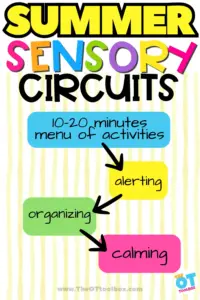
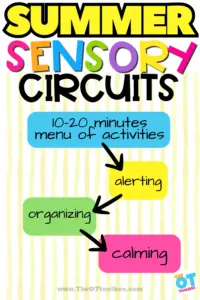
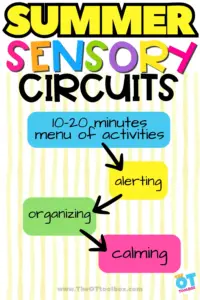
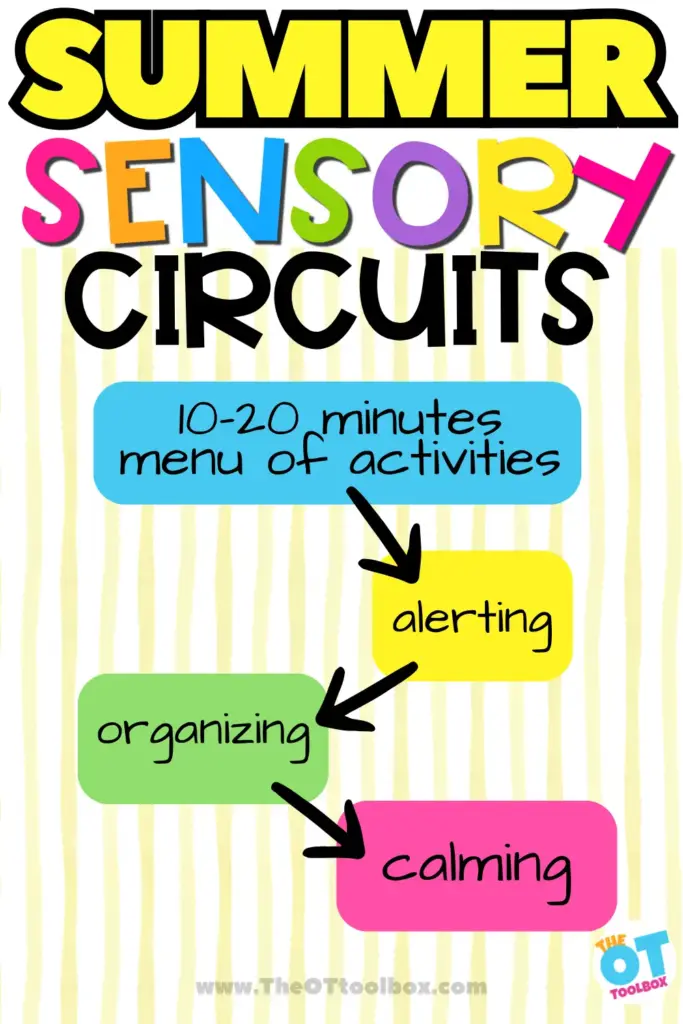
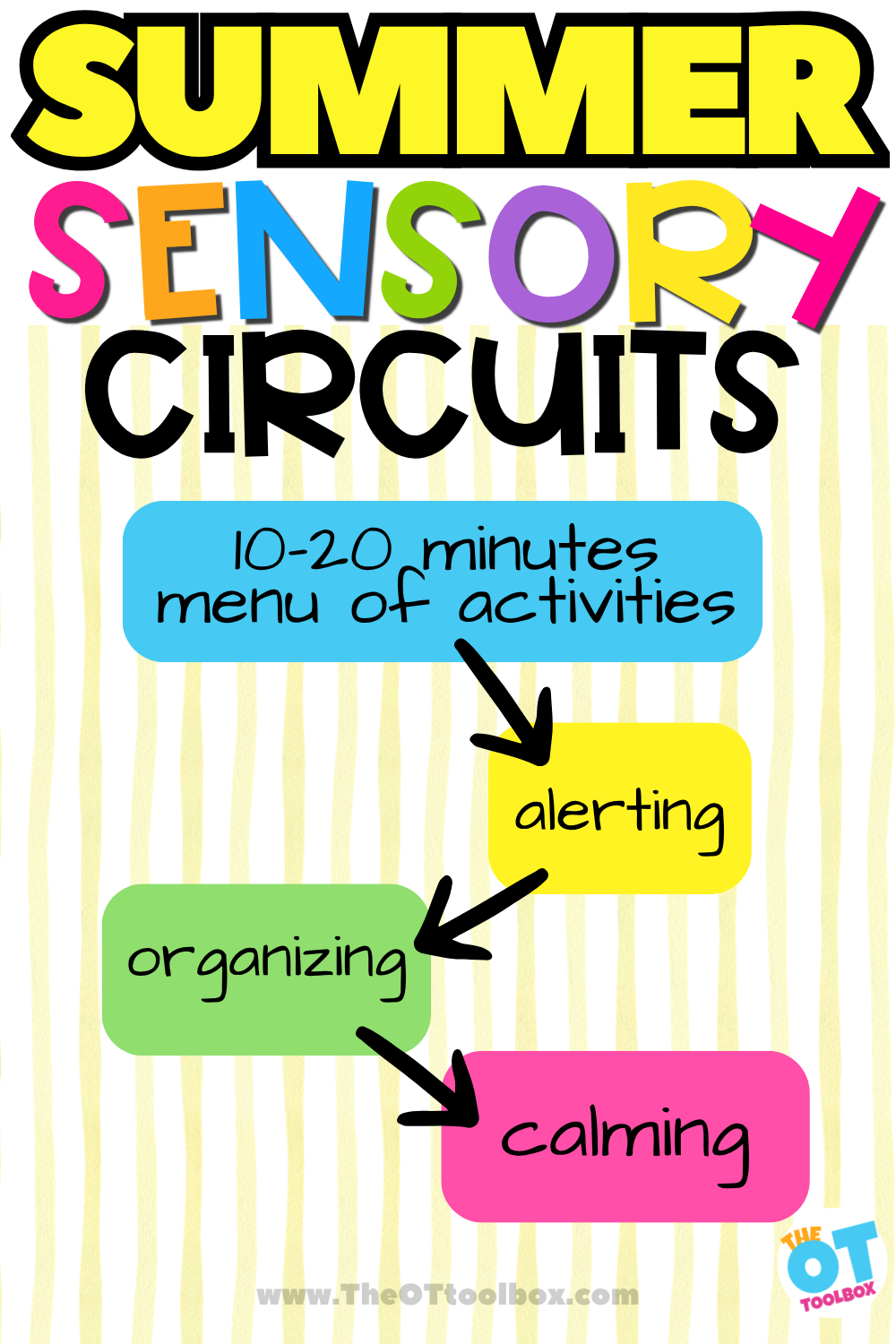
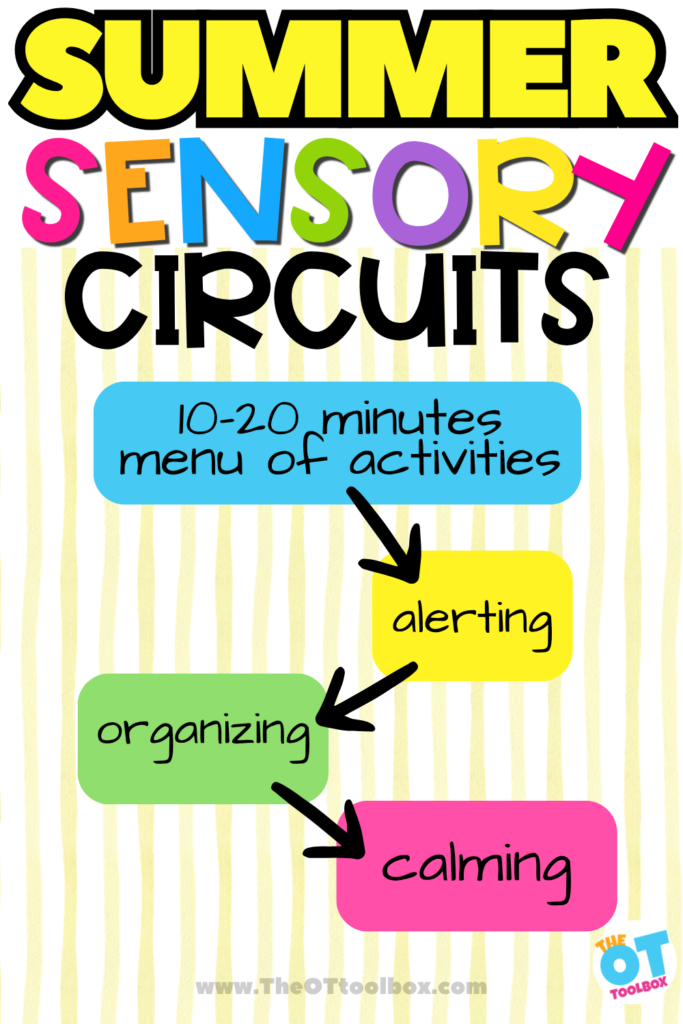
For classrooms running summer school programs, camps, or homes seeking more predictability, traditional sensory diets can sometimes feel complex to maintain. To bridge this gap, The OT Toolbox has emphasized the utility of sensory circuits—structured, 10-to-20-minute movement routines designed to help children achieve a balanced, "just right" level of alertness.
A sensory circuit follows a precise, three-step neurological progression. The session begins with alerting activities, utilizing controlled vestibular and proprioceptive input to gently wake up the brain and body. This is followed by organizing activities that require motor planning, balance, and timing to help children synchronize their physical actions and thoughts. Finally, the circuit concludes with calming activities, incorporating deep pressure and resistance to center the nervous system and prepare the child for transitions, quiet time, or focused tasks.
By sequencing these activities purposefully, parents and educators can create a reliable anchor for children navigating the unstructured nature of summer vacation.
Comprehensive Resources and Professional Support
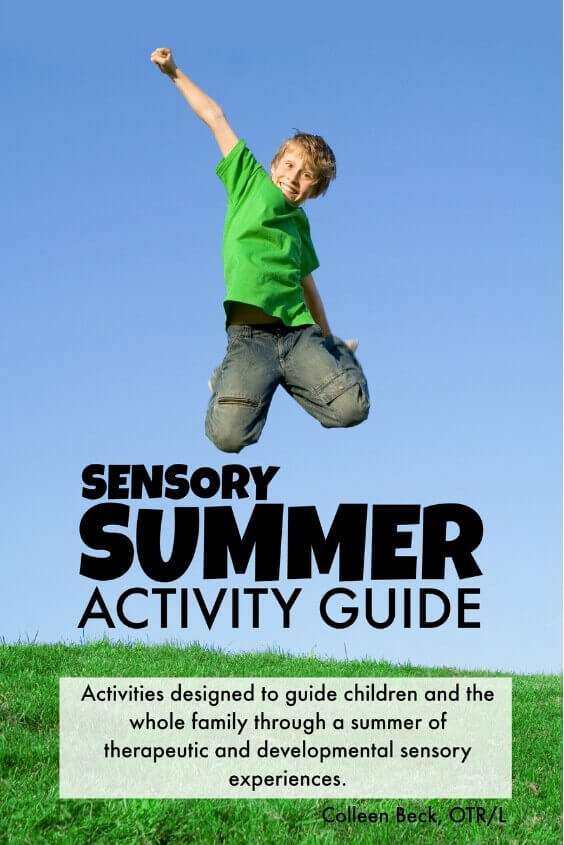
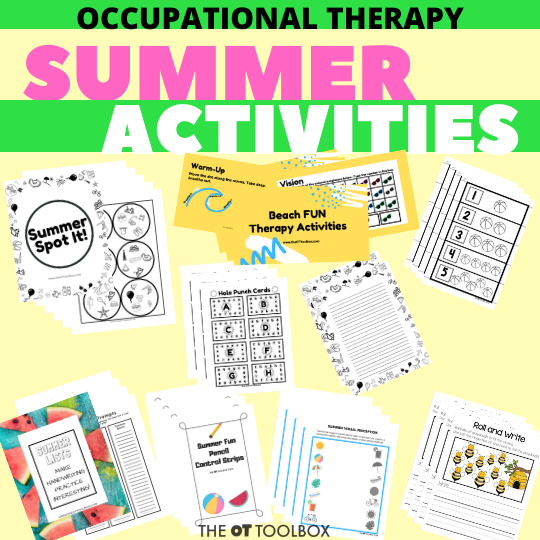
To assist families, educators, and therapists in implementing these strategies, Colleen Beck and her team have compiled extensive educational packets and guides. These include the Summer Sensory Activity Guide, the Summer Occupational Therapy Activities Packet, and a comprehensive Summer OT Bundle.
These curated collections provide ready-to-go materials, teletherapy slide decks, printable games, and handwriting practice sheets designed to keep children engaged and developing critical motor skills throughout the season. Founded by Colleen Beck, OTR/L, who has practiced across school-based, outpatient pediatric, and early intervention settings since 2000, The OT Toolbox continues to offer accessible, practical tools that empower parents, teachers, and clinicians to help children thrive year-round.