








The recent conclusion of the 2026 New York City Marathon served as a powerful reminder of the extraordinary physical and mental endurance required to conquer 26.2 miles. Watching thousands of athletes cross the finish line, one cannot help but be awed by the sheer perseverance on display. For many of these runners, the grueling effort is mitigated by a legendary physiological reward: the “runner’s high.” This elusive state of euphoria, often characterized by a profound sense of calm, reduced anxiety, and a diminished sensitivity to pain, has long been the subject of both casual conversation and rigorous scientific inquiry.
Yet, as we celebrate the athletic feats of marathoners, a pertinent question arises: must one subject their body to the repetitive, high-impact grind of pavement-pounding to access this blissful mental state? While aerobic exercise is undeniably linked to long-term cognitive health and emotional stability, the threshold for achieving a “high” through running can be daunting. Recent research, including studies published as recently as 2024, suggests that this state of flow and serenity is not the exclusive domain of the long-distance runner. There exists a parallel, perhaps more creative, phenomenon known as the “dancer’s high.” This state offers a similar surge of neurotransmitters and emotional release, yet it channels that energy through the expressive, fluid medium of dance rather than the linear pursuit of a finish line.
The Role of Biochemical Components
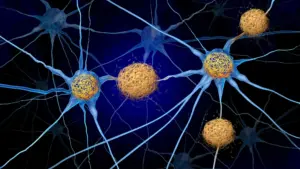
To understand why both the runner and the dancer can experience such profound shifts in consciousness, we must look beneath the surface to the biochemical interactions occurring within the central nervous system. A common misconception persists in the fitness community that the “high” is caused solely by a rush of endorphins—the body’s natural painkillers. While endorphins certainly play a part in physical recovery, modern neuroscience points to a more complex interplay of chemical messengers.

Central to this experience is the endocannabinoid system, a biological network that regulates a wide range of cognitive and emotional processes. When activated through sustained physical activity, this system releases signaling molecules that interact with the brain to foster feelings of deep relaxation and serenity. This mechanism is increasingly viewed by researchers as a primary driver of the positive mood states reported after intensive exercise.
Furthermore, the role of neurotransmitters such as dopamine and serotonin cannot be overstated. As established in a 2023 review of neurochemical impacts on exercise, these hormones are mobilized during physical exertion, effectively activating the brain’s reward system. By reinforcing feelings of contentment and motivation, these chemicals serve an evolutionary purpose: they encourage us to repeat behaviors that our brains perceive as beneficial. Whether one is hitting a rhythm on a track or executing a complex sequence in a studio, the brain is effectively rewarding the body for its engagement, creating a sustainable loop of interest and physical activity.
The Power of Passion in Exercise
While the biochemical formula provides the map for this experience, the “fuel” that powers it is often rooted in human passion. The Dualistic Model of Passion offers a compelling framework for understanding this: it defines passion as a powerful, sustained enthusiasm for an activity that an individual loves, values, and consistently prioritizes.
Research from 2024 suggests that this psychological element is a critical differentiator for marathon runners, correlating directly with higher levels of overall well-being. This principle holds equally true in the world of dance. A genuine passion for movement acts as a catalyst, enhancing an individual’s resilience, self-confidence, and emotional baseline. It is important, however, to distinguish between “harmonious passion” and “obsessive passion.” Harmonious passion allows the individual to integrate their athletic pursuit into their life in a healthy way, intensifying joy and exhilaration. In contrast, obsessive passion can lead to the darker side of physical training, such as overtraining, compulsive behaviors, and exercise addiction—a risk factor that remains a concern for both high-performance runners and dancers alike.
For the average person, the idea of running for 45 minutes to achieve a mental reward is often an unappealing, if not intimidating, prospect. Data suggests that only about 69% to 77% of runners report ever having experienced a true “runner’s high.” For the remainder, the experience of running may be marked more by soreness, fatigue, or emotional drain than by euphoria. Furthermore, because the calm associated with running can be fleeting, it often fails to act as a long-term incentive for the casual jogger.
Dance offers a unique alternative. It demands the same level of physical commitment as professional athletics, but it is fundamentally an artistic outlet. By incorporating therapeutic expression into the workout, dance transforms physical exertion into a creative act. When the body begins to feel the weight of fatigue, the artist’s passion for the music and the movement can often sustain the individual far longer than the mechanical act of running might allow.
Creativity and Camaraderie in Dance
The variety inherent in dance styles—ranging from the precise geometry of ballet to the syncopated rhythms of hip-hop and the social connectivity of ballroom—ensures that there is a modality for every fitness level and personality. Unlike the repetitive, linear motion of running, the act of learning and interpreting choreography engages the brain in a multi-sensory way. This cognitive load, combined with music, stimulates different sectors of the neural reward system, fostering a sense of fulfillment that reaches beyond the muscles.
Practitioners often describe entering a “flow state” during dance, where the complexity of the movement necessitates total absorption in the present moment. This is, in effect, a form of active mindfulness. In a ballet class, for instance, the requirement to focus on alignment, musicality, and precision forces the dancer to leave behind the stressors of the outside world. The result is a profound mental clarity and increased focus that persists long after the music stops. Over time, this practice builds not just physical strength and muscle memory, but a heightened sense of self-awareness and confidence.
Beyond the individual benefits, there is the powerful component of social cohesion. The camaraderie formed in a dance class or through partner work can significantly boost levels of oxytocin—the so-called “bonding hormone.” Research published in 2025 highlights how this hormonal response supports stress reduction and deepens social connection, which are essential components of long-term emotional well-being.
While some runners find solace in the solitude of a long, quiet run, the dance community thrives on shared creation. The act of rehearsing and performing together fosters a sense of belonging and provides a venue for emotional catharsis that is difficult to replicate in solitary sports.
Ultimately, the choice between the road and the studio is a personal one, driven by the individual’s unique relationship with movement. We are all, at our core, beings who crave physical activity to maintain our holistic health. Whether through the steady, rhythmic stride of a marathoner or the graceful, expressive motions of a dancer, the goal remains the same: to engage our bodies, soothe our minds, and honor our need for expression. When we cultivate a genuine passion for these activities, the physiological “high” becomes more than just a chemical reaction; it becomes a meaningful reward for the dedication and love we pour into our chosen path, even on those days when the road ahead feels long and difficult to navigate.