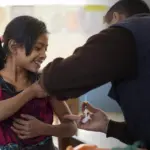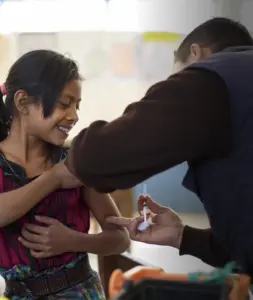







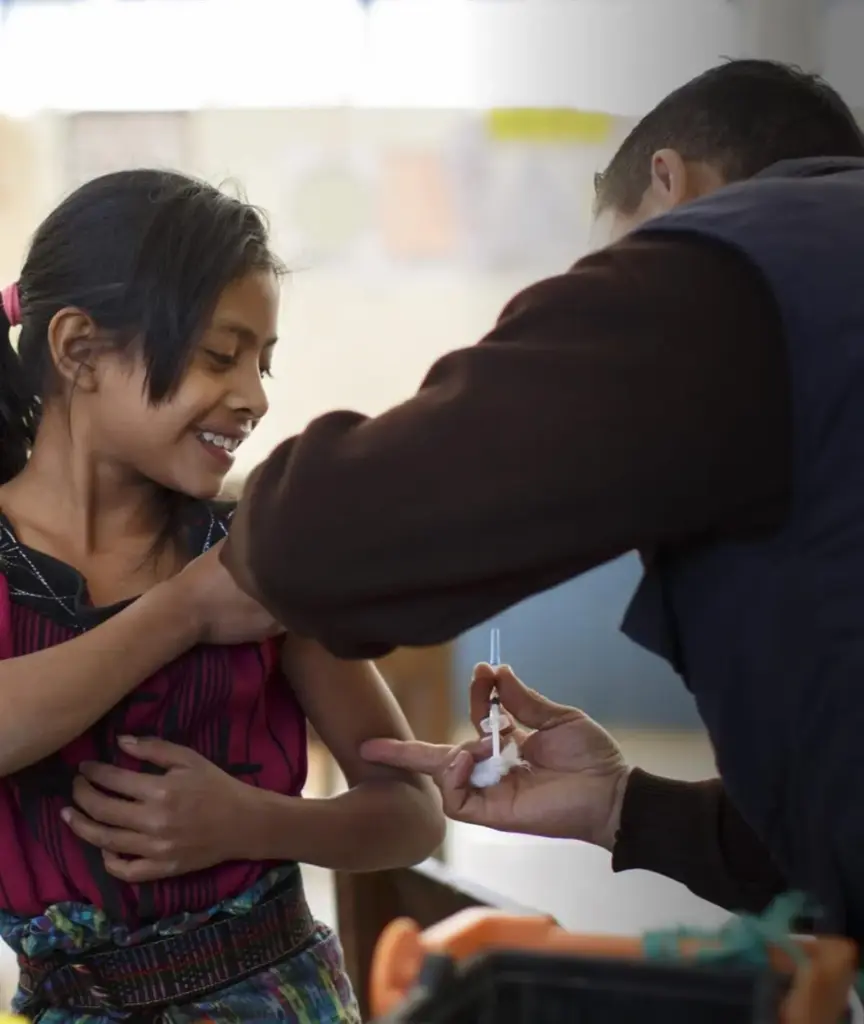
GENEVA/NEW YORK, 15 July 2020 — The World Health Organization (WHO) and UNICEF issued a stark warning today regarding a significant and alarming decline in the number of children receiving life-saving vaccinations worldwide. This downturn, attributed directly to widespread disruptions in the delivery and uptake of essential immunization services, stems from the ongoing COVID-19 pandemic. According to new data released by the two global health bodies, these disruptions threaten to reverse years of hard-won progress in reaching children and adolescents with a comprehensive range of vaccines—a mission that was already facing challenges due to a decade of stalling global coverage rates.
The latest vaccine coverage estimates for 2019 reveal that recent successes, such as the expansion of the human papillomavirus (HPV) vaccine to 106 countries and improved protection against a variety of infectious diseases, are now in grave danger of lapsing. Preliminary data covering the first four months of 2020 indicates a substantial decrease in the number of children receiving the full three-dose series of the vaccine against diphtheria, tetanus, and pertussis (DTP3). This particular metric serves as the global gold standard for measuring immunization coverage both within and across national borders. Alarmingly, this represents the first time in 28 years that the world has faced a potential reduction in DTP3 coverage, a trend that health officials fear could signal the beginning of a larger public health crisis.
"Vaccines are one of the most powerful tools in the history of public health, and more children are now being immunized than ever before," said Dr. Tedros Adhanom Ghebreyesus, WHO Director-General. "But the pandemic has put those gains at risk. The avoidable suffering and death caused by children missing out on routine immunizations could be far greater than COVID-19 itself. But it doesn’t have to be that way. Vaccines can be delivered safely even during the pandemic, and we are calling on countries to ensure these essential life-saving programmes continue."
The Impact of COVID-19 on Service Delivery
The logistical and social constraints imposed by the pandemic have created a perfect storm for immunization programs. At least 30 measles vaccination campaigns were either cancelled or placed at significant risk of cancellation due to the crisis. Experts warn that these interruptions could lead to a resurgence of preventable outbreaks throughout 2020 and beyond.
A collaborative pulse survey conducted by UNICEF, the WHO, and Gavi, in partnership with the US Centers for Disease Control, the Sabin Vaccine Institute, and the Johns Hopkins Bloomberg School of Public Health, has shed light on the scope of the problem. As of May 2020, three-quarters of the 82 responding countries reported experiencing COVID-19-related disruptions to their immunization programs.
The barriers to access are multifaceted. In many regions, even when health services remain open, parents are unable or unwilling to access them. This reluctance is driven by a combination of factors, including fear of exposure to the virus at clinical sites, severe transport interruptions, economic hardships, and strict government-mandated movement restrictions. Furthermore, the health workforce itself has been severely strained. Many health workers have been unavailable due to travel restrictions, redeployment to the front lines of the COVID-19 response, or a critical lack of personal protective equipment (PPE) necessary to operate safely in a clinical environment.
"COVID-19 has made previously routine vaccination a daunting challenge," noted UNICEF Executive Director Henrietta Fore. "We must prevent a further deterioration in vaccine coverage and urgently resume vaccination programs before children’s lives are threatened by other diseases. We cannot trade one health crisis for another."
Stagnating Global Progress and Geographic Disparities
The crisis has hit a global immunization landscape that was already struggling to maintain momentum. Before the arrival of COVID-19, global coverage for DTP3 and measles vaccines had plateaued at approximately 85 percent. Statistical models suggest that a child born in 2020 has a less than 20 percent probability of receiving all the globally recommended vaccines by the time they reach their fifth birthday.
In 2019, nearly 14 million children missed out on life-saving vaccines, such as those for measles and DTP3. A significant majority of these children reside in Africa, where they are also more likely to face broader barriers to essential health services. The burden is heavily concentrated, with two-thirds of these unvaccinated children living in just 10 countries: Angola, Brazil, the Democratic Republic of the Congo, Ethiopia, India, Indonesia, Mexico, Nigeria, Pakistan, and the Philippines. While these nations are largely classified as middle- or low-income, the proportion of unvaccinated children in middle-income countries is growing, pointing to a need for more robust health infrastructure in regions that are undergoing rapid economic development.
The regional picture provides a mix of cautionary tales and success stories. Over the last decade, South Asia made significant strides, with regional coverage for the third dose of DTP increasing by 12 percentage points, largely driven by improvements in India, Nepal, and Pakistan. However, these gains remain fragile. Nations like Ethiopia and Pakistan, which had previously recorded commendable progress, now face the risk of severe backsliding if immunization services are not restored as a matter of urgency.
The situation in Latin America and the Caribbean is particularly concerning. Historically, this region maintained high levels of immunization, but that progress has slipped over the last ten years. Countries such as Brazil, Bolivia, Haiti, and Venezuela have seen their immunization coverage plummet by at least 14 percentage points since 2010. With these nations currently dealing with moderate to severe disruptions related to the pandemic, health authorities fear that the existing gaps in their healthcare systems will only widen further.
Moving Forward: Reimagining Immunization
As the international health community works to recover lost ground, the WHO and UNICEF are actively supporting national governments in their efforts to "reimagine" immunization and "build back better." This involves not only restarting suspended services but also strengthening the resilience of health systems to withstand future shocks.
The process of assessing these trends is rigorous. Each year, the WHO and UNICEF produce comprehensive coverage estimates for 195 countries. This collaborative process involves revising the entire historical series of immunization data, ensuring that the latest available information is integrated into the record. The 2019 revision is particularly expansive, covering 39 years of data dating back to 1980. DTP3 remains the primary indicator for assessing the proportion of children reached by health systems, with the number of vaccinated children calculated using the United Nations’ 2019 World Population Prospects.
The pulse surveys conducted throughout the spring and early summer of 2020—including the June survey that involved 260 immunization experts from 82 countries—have provided a granular look at how quickly routine services were affected. A previous poll conducted in April, which garnered 801 responses from 107 countries, showed that 64 percent of nations had already reported that routine immunization programs were disrupted or suspended.
For the World Health Organization, the mission remains rooted in its foundational goal: to promote health, keep the world safe, and serve the vulnerable. As the organization works toward its 2019–2023 goals of universal health coverage and improved health outcomes for a billion more people, the disruption of immunization programs remains a critical obstacle. Similarly, UNICEF continues its work in some of the most challenging environments on Earth, striving to ensure that every child—regardless of geography or economic status—has access to the protective shield of vaccines. The path ahead requires a coordinated, sustained global effort to ensure that the health of the next generation is not sacrificed to the immediate demands of the COVID-19 pandemic.