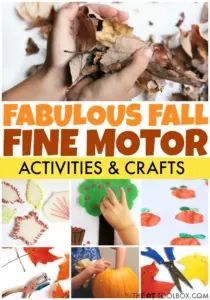








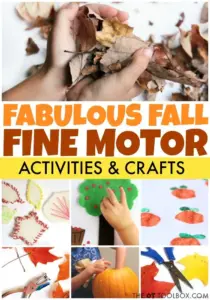
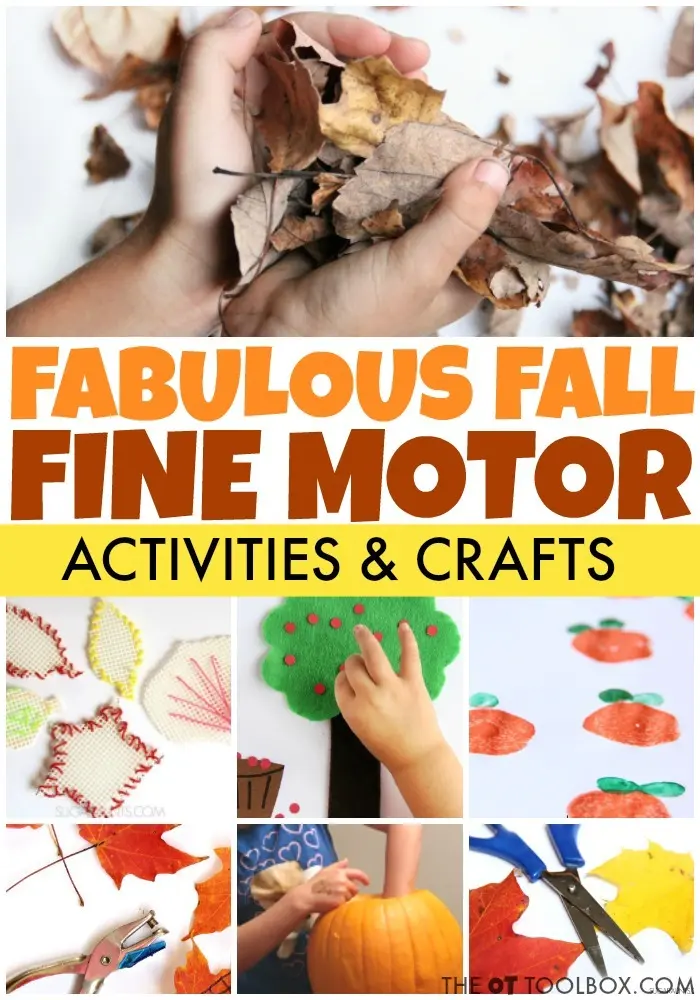
As the crisp autumn air arrives and the landscape transforms with vibrant changing leaves, pediatric occupational therapists, educators, and parents are turning to seasonal themes to support children’s developmental growth. Rather than choosing seasonal projects at random, specialists are utilizing fall-inspired materials—ranging from apples and pumpkins to acorns and dried leaves—to target specific fine motor, visual-motor, and handwriting goals in a natural, play-based format.
The transition into autumn provides a wealth of sensory-rich opportunities that naturally lend themselves to therapeutic intervention. Experts emphasize that incorporating elements like tactile play dough, natural foliage, and seasonal manipulatives can make targeted skill-building feel less like traditional work and more like play. This approach helps young learners develop essential hand strength, finger dexterity, scissor proficiency, and visual-motor integration without losing their engagement.
Targeting Hand Strength Through Seasonal Play
Hand strength is a foundational component required for daily tasks such as writing, cutting with scissors, and manipulating clothing fasteners. Pediatric occupational therapy programs frequently employ resistive materials during the autumn months to help children build intrinsic muscle strength in their hands and fingers.
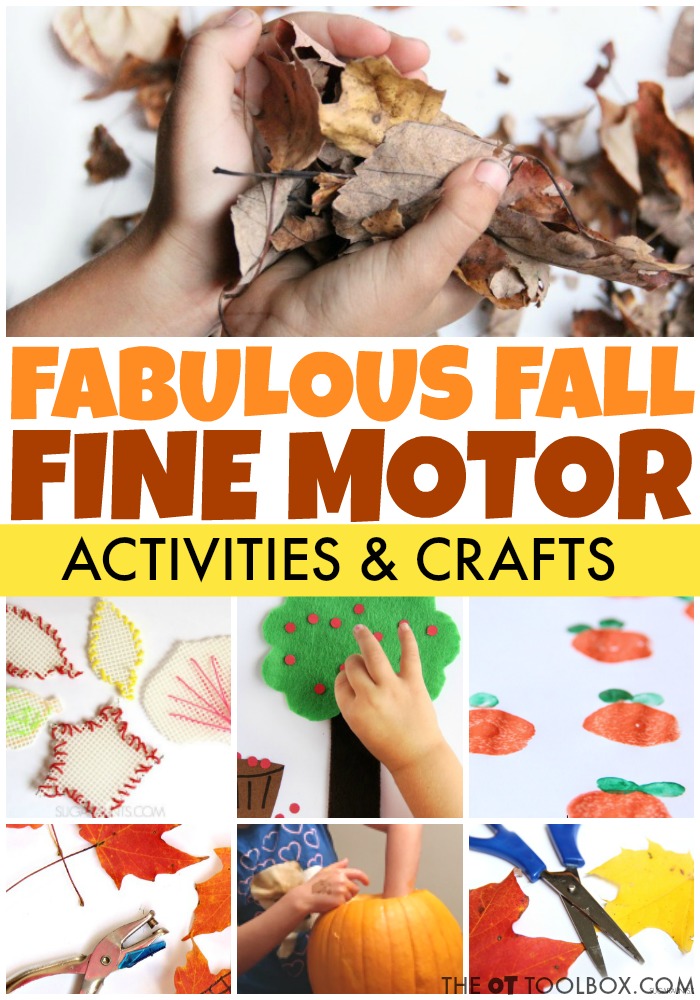
One popular modality involves apple-themed geoboards, where children stretch rubber bands across pegs to recreate specific fruit designs. This activity introduces mechanical resistance to the fingers and hands while simultaneously demanding precision and controlled release, which strengthens bilateral coordination and motor planning. Similarly, classic play dough activities offer resistive feedback that supports arch development, wrist stability, and pincer grasps. By hiding miniature autumn leaves, plastic erasers, or colored beads inside the dough, therapists encourage children to engage in targeted finger and grip strengthening exercises through tactile exploration.
Hole-punching exercises utilizing seasonal templates, such as paper apples or real autumn leaves, provide another effective method for developing a robust grasp. Operating a handheld hole punch requires sustained hand force, while navigating the tool along a curved edge incorporates crucial visual-motor components.
Enhancing Manual Dexterity and Precision
Manual dexterity involves the efficient, coordinated movement of the fingers to perform precise tasks. During the fall season, everyday craft supplies and natural items can be repurposed to challenge children’s finger manipulation skills, speed, and spatial accuracy.
Activities utilizing craft pom-poms, paper clips, seeds, and small beads allow children to practice manipulating items with their fingertips rather than relying on whole-hand movements. For instance, apple-themed counting cards paired with paper clips require precise fingertip control and bilateral hand coordination, as one hand must stabilize the card while the other attaches the clip. Transferring fall-colored pom-poms or dyed pumpkin seeds using tongs or tweezers further refines pincer grasps and improves object manipulation abilities within the palm.
Advancing Scissor Skills and Bilateral Integration
Scissor proficiency requires two hands to perform completely different functions simultaneously: the dominant hand must rhythmically open and close the scissors while the non-dominant helper hand stabilizes, rotates, and guides the paper along a visual path.
Autumn-themed cutting practice pages and farm-related cut-and-paste crafts offer structured ways to evaluate and build these capabilities. Cutting along complex lines forces a child to integrate visual-motor awareness with bilateral control. When natural resources are available, children can also practice snipping and cutting fallen leaves into small pieces, promoting line awareness and foundational scissor control through tactile mediums. Cut-and-paste projects further elevate these demands by requiring children to visually determine where pieces belong, orient them correctly, follow a sequential assembly plan, and apply adhesive precisely.
Integrating Visual-Motor and Writing Development
Fine motor milestones are closely linked to visual-motor skills, which involve the ability to coordinate visual input with physical hand movements. Many children possess adequate hand strength and dexterity but encounter difficulties when asked to copy designs, follow lines, reproduce spatial relationships, or maintain proper letter formation during writing tasks.
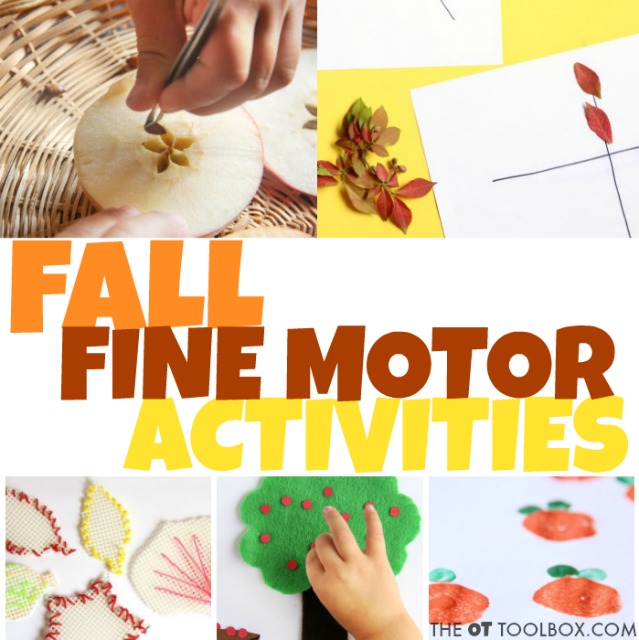
Seasonal directed drawing exercises—focusing on familiar fall motifs like pumpkins, acorns, and leaves—require children to observe a model, plan their pencil strokes, and reproduce spatial forms accurately. Pattern block designs and seek-and-find visual scanning sheets further reinforce visual discrimination and sustained attention. When paired with physical modifications, such as a cutout viewing frame, these activities help children isolate specific visual-motor targets.
Handwriting instruction also benefits from seasonal contexts. Utilizing thematic writing prompts allows students to practice handwriting within meaningful communication tasks rather than through isolated drill work. Therapists can adapt these prompts across a broad developmental spectrum, allowing emerging writers to practice single fall vocabulary words, beginning writers to compose a full sentence, developing writers to answer short prompts, and older students to plan and execute structured paragraphs.
No-Prep and Community Resources for Autumn Development
Many effective fine motor interventions require little to no preparation and utilize items readily found in the home or classroom environment. Natural materials like leaves can be torn, crumpled, punched, cut, sorted, or strung to build hand function. Similarly, acorns can be counted, sorted, and transferred with tongs, while everyday plastic bread ties offer unique opportunities for fine motor manipulation.
As educators and specialists plan their seasonal curricula, access to structured, ready-to-use professional resources continues to play a central role in supporting diverse pediatric caseloads. Platforms such as The OT Toolbox membership provide clinicians and parents with an extensive collection of print-and-go materials designed to address fine motor control, sensory processing, executive functioning, and handwriting, ensuring that autumn developmental goals remain both engaging and clinically effective.