






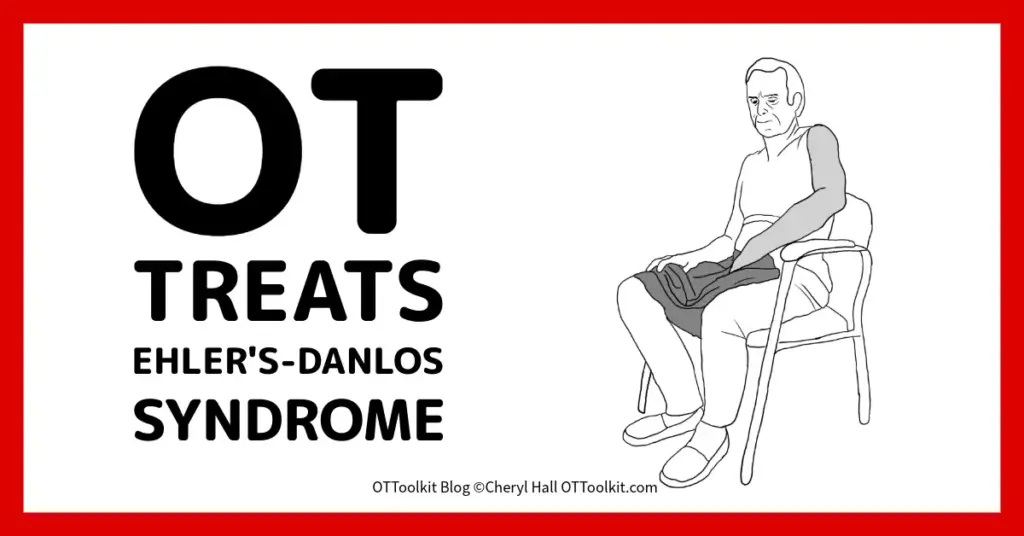
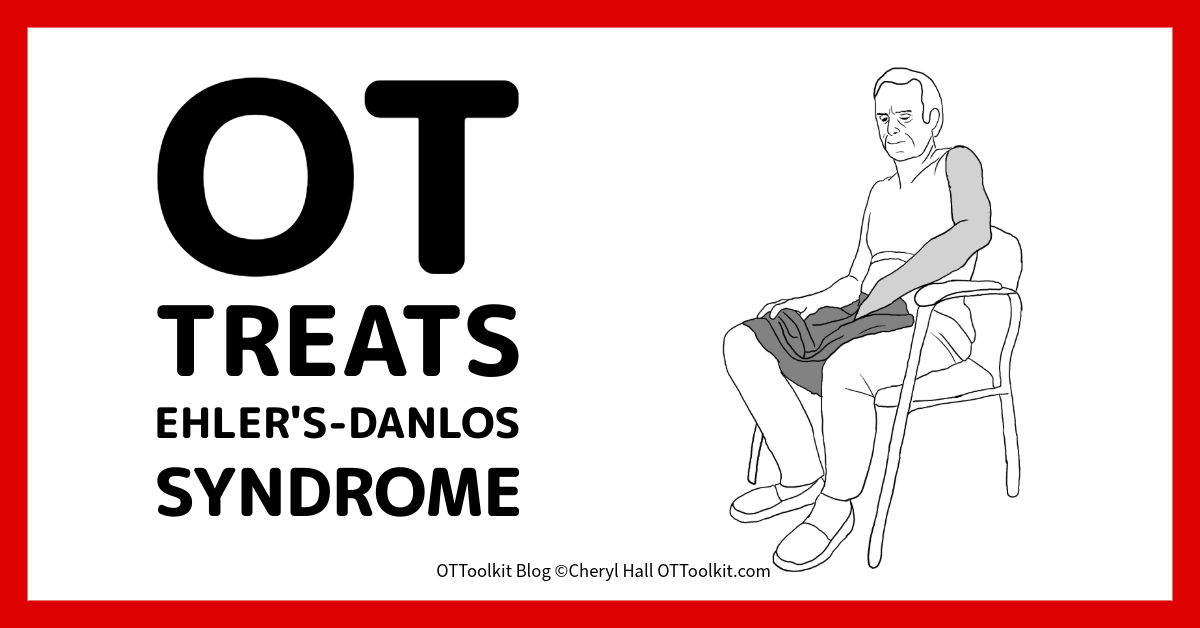
The collaborative nature of the occupational therapy profession often hinges on the sharing of experiences, clinical observations, and the evolving needs of the patient population. This spirit of cooperation was recently highlighted when a Tennessee-based occupational therapist reached out to the creator of the Occupational Therapy Toolkit with a pointed inquiry: why was there no specific treatment guide for patients living with Ehlers-Danlos Syndrome (EDS)? This question, prompted by the unmet needs of a patient seeking specialized guidance, has now sparked a commitment to integrate EDS-specific interventions into future editions of the widely used resource.
Ehlers-Danlos Syndrome represents a complex, often misunderstood category of connective tissue disorders that poses significant challenges for both patients and clinicians. For many practitioners, including those who have long relied on the Occupational Therapy Toolkit, EDS remains a condition that may not be frequently encountered in a standard clinical setting. However, as awareness of the condition grows, the necessity for structured, evidence-based occupational therapy interventions becomes increasingly clear. While the most recent 8th edition of the Occupational Therapy Toolkit was released in 2024, the feedback from the clinical field has prompted an immediate shift in focus, with new educational efforts now directed toward bridging the gap between current clinical resources and the needs of the EDS community.
Understanding the Clinical Landscape of Ehlers-Danlos Syndrome
At its core, Ehlers-Danlos Syndrome is a group of genetic connective tissue disorders that fundamentally impact how the human body produces and utilizes collagen—the essential protein that provides structural integrity to skin, joints, blood vessels, and other tissues. The clinical spectrum of EDS is broad, with researchers currently identifying 13 distinct types, each characterized by its own genetic profile and systemic implications.
For the patients navigating these symptoms, the daily experience is often marked by a constellation of issues that defy a singular, simple treatment path. Joint hypermobility and chronic instability are hallmarks of the condition, frequently resulting in persistent pain and an increased susceptibility to subluxations and dislocations. Beyond the musculoskeletal system, patients often deal with fragile skin that is prone to bruising, tearing, and delayed wound healing. Furthermore, the systemic nature of EDS can manifest in secondary issues such as debilitating fatigue, orthostatic intolerance—often experienced as dizziness upon standing—and various gastrointestinal concerns. Because these symptoms are multisystemic and fluctuating, they require a nuanced approach to therapy that addresses both the immediate physical complaints and the broader functional impact on a patient’s life.
The Role of Occupational Therapy in Symptom Management
Occupational therapy plays a pivotal role in the lives of individuals with EDS, primarily because the profession focuses on optimizing functional independence and improving the overall quality of life. By addressing the physical, environmental, and behavioral components of the condition, occupational therapists (OTs) can help patients navigate a world that is often not designed for their specific physiological constraints.
One of the primary areas of intervention is joint protection. Because hypermobility can lead to painful hyperextension, OTs work closely with patients to mitigate these risks. This includes educating patients on safe movement patterns, designing and fitting custom splints to provide external stability, and modifying daily tasks to reduce unnecessary strain on vulnerable joints. By teaching patients how to move in ways that protect their connective tissues, OTs can significantly reduce pain and prevent further joint degradation over time.
Energy conservation is another critical pillar of care for the EDS population. Many patients struggle with profound fatigue that can make standard daily activities feel overwhelming. Occupational therapists address this by teaching pacing and planning strategies, allowing patients to better manage their limited energy reserves throughout the day. This might involve rearranging a home or work environment to reduce the need for excessive walking or reaching, or breaking complex tasks into smaller, more manageable components. When combined with task modifications, these strategies can empower patients to maintain their independence without triggering a cycle of exhaustion.
Adaptive equipment often serves as a practical extension of these energy conservation and joint protection strategies. An OT might recommend specific tools to reduce the physical demand of daily living, such as long-handled reachers, specialized writing aids, or devices that facilitate safe community mobility. By reducing the physical toll of everyday actions, these tools can serve as a vital component of a comprehensive fall prevention and independence plan.
Furthermore, the ergonomic assessment of a patient’s environment—whether at home, school, or the workplace—is essential. OTs evaluate these spaces to ensure that workstations and living areas are configured for optimal support, often recommending equipment or software that minimizes repetitive movements. By limiting the strain on joints during repetitive or prolonged tasks, these environmental adjustments can make a substantial difference in a patient’s ability to remain productive and comfortable.
A particularly sophisticated aspect of OT intervention for EDS involves addressing proprioception. Because hypermobility can disrupt the body’s internal sense of position, movement, and location in space, patients may struggle with balance and coordination. Occupational therapists utilize targeted therapeutic exercises to improve proprioceptive awareness, helping the nervous system better communicate with the musculoskeletal system. This focus not only aids in functional movement but also serves as a proactive measure to protect joint health by ensuring the body is better aligned during activity.
Beyond the primary physical symptoms, OTs are increasingly involved in managing the complex co-occurring challenges that often accompany an EDS diagnosis. Patients frequently navigate sleep disturbances, mental health struggles, chronic migraines, gastrointestinal issues, and various autoimmune conditions. The holistic perspective inherent in occupational therapy allows practitioners to provide, coordinate, and advocate for interventions that address these secondary symptoms, ensuring that the patient is supported in every aspect of their functional health.
Utilizing Current Resources While Preparing for Future Growth
Although the Occupational Therapy Toolkit is currently expanding its specific coverage of Ehlers-Danlos Syndrome, it remains a robust resource for therapists who are treating patients with the condition today. The toolkit provides a wealth of materials that are highly applicable to the diverse needs of EDS patients. These include comprehensive treatment guides that assist with foundational clinical management, as well as an extensive library of ADL (Activities of Daily Living) and mobility handouts.
Furthermore, the toolkit’s collection of educational and therapeutic exercise handouts allows clinicians to provide their patients with clear, accessible instructions for home-based care. While the dedicated EDS section is currently under development for the next edition, the existing resources regarding joint stability, energy management, and ergonomic assessment already offer a strong foundation for therapists working with this population.
For practitioners seeking deeper insight into the clinical nuances of the condition, the Ehlers-Danlos Society remains a primary destination. Their platform offers extensive resources tailored to healthcare professionals, including continuing education modules, current research initiatives, and a directory of medical experts with specialized knowledge in managing EDS. Engaging with these resources, alongside the practical tools found in the Occupational Therapy Toolkit, provides a well-rounded approach for clinicians committed to excellence in patient care.
The initiative to include Ehlers-Danlos Syndrome in the future editions of the Occupational Therapy Toolkit serves as a reminder of the vital link between clinical practice and the resources that support it. The feedback provided by the practitioner in Tennessee has not only highlighted an area for growth but has reinforced the importance of ongoing dialogue within the occupational therapy community. As the profession continues to evolve, the continued willingness of therapists to share their insights and advocate for their patients ensures that clinical resources remain relevant, effective, and responsive to the real-world needs of those they serve. Professionals interested in contributing further suggestions for the Occupational Therapy Toolkit are encouraged to maintain this open line of communication to ensure that future iterations of the guide continue to reflect the highest standards of care.