








What if the systemic decline we associate with getting older—the fading memory, the weakening bones, and the thinning skin—is not merely the inevitable wear and tear of a long life, but the result of a specific biological "switch" flipping off deep within the brain? This provocative question has moved from the realm of science fiction to the forefront of modern gerontology, thanks to a series of groundbreaking experiments identifying a protein called Menin as a central regulator of the aging process.
In research originally published in PLOS Biology in March 2023, a team led by Lige Leng of Xiamen University in China uncovered a hidden, intricate connection between inflammation, brain chemistry, and the aging of the entire body. By restoring levels of Menin in the brains of older mice, the researchers were able to witness a remarkable physical transformation, reversing signs of aging in just 30 days. Perhaps even more surprisingly, the team found that supplementing these animals with a specific, naturally occurring amino acid could sharpen their cognitive edge in just three weeks.
While these findings were observed in laboratory mice, they have opened an intriguing new chapter in biology: the possibility that aging is significantly influenced by neurobiological processes that might one day be modified, potentially delaying or even reversing some of its most debilitating effects.

How a Hidden Brain Protein Influences the Body
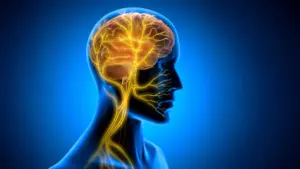
To understand how a single protein could influence everything from bone mass to memory, one must look at the hypothalamus. This small, almond-sized region located near the base of the brain serves as the body’s master control center. It acts as the primary interface between the nervous system and the endocrine system, regulating vital functions such as body temperature, hunger, thirst, metabolism, sleep, and the complex hormonal cascades that keep the body in equilibrium. Because these systems have reach into nearly every organ and tissue, even minor fluctuations in the hypothalamus can trigger far-reaching consequences throughout the body.
In recent years, the scientific community has increasingly viewed the hypothalamus as a critical coordinator of aging. A key driver in this decline appears to be neuroinflammation. While the brain’s inflammatory response is essential for healing and protection against infection, it is meant to be a transient process. When this response becomes chronic and persistent, it begins to interfere with normal cellular signaling, gradually eroding tissue function and accelerating the physiological hallmarks of age-related deterioration.
Earlier work by Leng and his colleagues identified Menin as a vital guardian protein, one that works to restrain this inflammatory cascade within the hypothalamus. Beyond its role as an anti-inflammatory agent, Menin is involved in the complex task of regulating gene activity, allowing it to act as a conductor for multiple biological pathways simultaneously. The researchers sought to understand the consequences of this guardian protein gradually disappearing as an organism ages.
Upon investigation, they discovered that Menin levels indeed decline in specific hypothalamic neurons as mice grow older. Notably, this decline was specific to neurons; it was not observed in astrocytes or microglia—the support cells that typically manage immune responses and structural maintenance in the brain. To determine if this reduction was a driver of aging or merely a byproduct, the team utilized genetically modified mice in which Menin could be selectively disabled.
The results were unequivocal. Mice with suppressed Menin activity exhibited accelerated signs of aging, including heightened hypothalamic inflammation, thinner skin, decreased bone density, and a marked decline in cognitive performance. Their lifespans were also reduced compared to their counterparts. These findings suggested that the loss of Menin was not simply a symptom of aging, but a proactive contributor to the physical and cognitive decay that defines it.
Reversing the Clock: A 30-Day Transformation
The discovery that a protein’s absence drives aging prompted a pivotal follow-up question: if the decline of Menin is a cause of aging, can we force the clock backward by restoring it?
To test this, the researchers employed a gene delivery technique to boost Menin production specifically within the ventromedial hypothalamus (VMH) of 20-month-old mice—the equivalent of elderly human subjects. The VMH is a crucial hub for coordinating metabolism and energy balance.
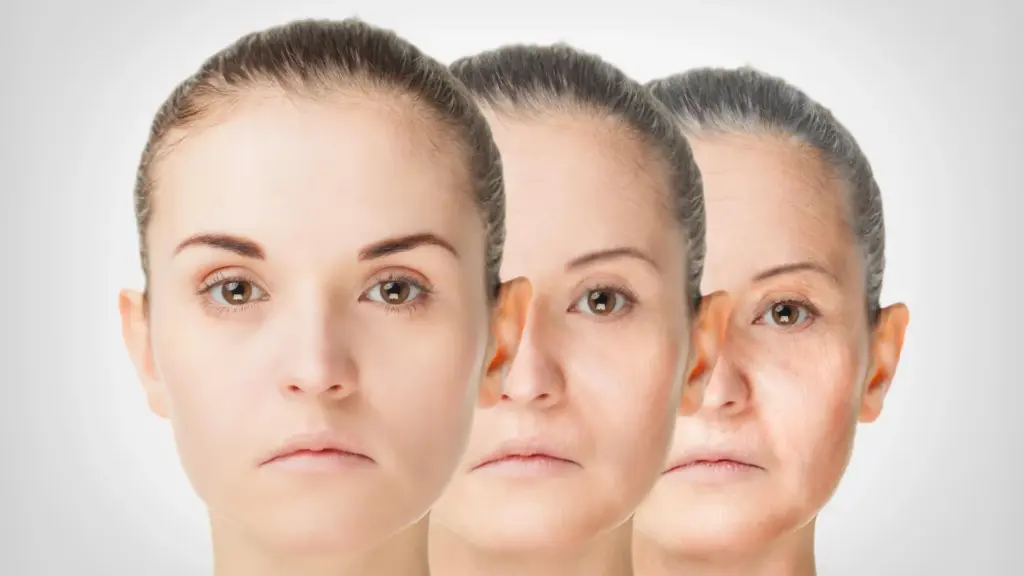
The outcomes were striking. After just 30 days of treatment, the aged mice exhibited a measurable reversal of multiple aging phenotypes. Their skin regained thickness, bone mass increased, and their performance on standardized tests for learning, memory, and balance improved significantly. Furthermore, the researchers observed a decrease in neuroinflammation and a stabilization of metabolic markers that typically worsen with age. In a separate survival analysis, the mice that received the Menin treatment lived longer than the untreated control group, suggesting that targeting this specific neural pathway could extend both healthspan and lifespan.
The Role of D-Serine in Cognitive Clarity
While the restoration of Menin provided systemic benefits, the researchers were particularly interested in how this protein influenced cognitive function. They observed that when Menin levels fell, concentrations of D-serine—an amino acid critical for brain signaling—also dropped.
While amino acids are commonly known as the "building blocks" of proteins, D-serine performs a more specialized role. It acts as a co-agonist for NMDA receptors, which are proteins on the surface of nerve cells essential for synaptic communication, the foundation of learning and memory formation. D-serine is distinct from L-serine, the form commonly found in dietary sources like eggs, fish, and nuts.
The study revealed that Menin is responsible for regulating the enzyme PHGDH, which governs the biochemical pathway that produces D-serine. When Menin activity dips, the pathway falters, leading to a localized deficiency of D-serine in the hippocampus, the brain’s memory center.
To determine if this deficit was the primary cause of cognitive loss, the team provided older mice with D-serine in their drinking water. Within three weeks, the mice showed improved learning and memory performance. However, there was a key distinction: unlike the restoration of Menin, which improved both physical and cognitive health, D-serine supplementation specifically targeted cognitive function. It did not repair bone or skin loss. This suggests that Menin orchestrates aging through a diverse array of mechanisms, with D-serine being just one of several critical components.
The Emerging Science of Brain-Body Aging
The study has sparked a wave of related research, confirming that the brain is a central, active participant in systemic aging. In 2024, researchers at the Washington University School of Medicine identified a separate hypothalamic circuit that communicates with fat tissue. By modulating this pathway, they were able to enhance metabolic function and extend the lifespan of mice, reinforcing the idea that hypothalamic signals act as a master control panel for the body’s longevity.
Further supporting the importance of Menin, research published in the Journal of Physiology and Biochemistry in 2024 demonstrated that Menin protects hippocampal cells from programmed cell death induced by stress hormones. Moreover, a comprehensive 2025 analysis of over one million mouse brain cells, published in Nature, identified the third ventricle of the hypothalamus as a zone of extreme vulnerability, where cells show high sensitivity to age-related inflammatory damage.
By 2026, the field had advanced even further. Research in Cell demonstrated that strengthening daily circadian rhythms in the hypothalamus could reverse markers of biological aging at the DNA level, while a separate study in Cell Metabolism identified a protein called Mimecan that facilitates communication between muscles and the brain to promote longevity. Collectively, these findings paint a picture of aging as a complex, multi-layered dialogue between the brain and the periphery, rather than a single, inevitable point of failure.
The Human Perspective: Promise and Caution
The potential to treat cognitive decline with a simple amino acid like D-serine is undeniably appealing. Yet, the leap from rodent models to human clinical application is fraught with complexity. A small 2016 clinical trial showed some promise in spatial learning among healthy older adults, but results were inconsistent across other cognitive metrics.
Moreover, recent studies have highlighted the "double-edged sword" nature of brain chemistry. Research published in April 2025 suggests that in conditions such as Alzheimer’s disease, elevated D-serine may actually accompany signaling disruptions, indicating that the impact of the amino acid is highly dependent on the underlying biological state of the brain. High-dose supplementation has also raised concerns regarding kidney safety in animal models, meaning that for now, D-serine remains an experimental interest rather than a therapeutic recommendation.
Despite these hurdles, the research led by Leng and his colleagues continues to challenge our fundamental understanding of aging. If, as the data suggests, the decline of Menin is a driving factor that links genetic, inflammatory, and metabolic pathways, then we may be standing on the threshold of a new medical era. The possibility that the "inevitable" decline of the body can be slowed or reversed by targeting precise pathways in the brain is no longer a distant dream, but a tangible, testable hypothesis that researchers worldwide are now aggressively pursuing. As science continues to map the neural circuits of aging, the dream of not just living longer, but living better, becomes an increasingly realistic goal.