




By Cheryl Hall | June 23, 2026
As an occupational therapist, have you ever found yourself feeling overlooked or undervalued by the broader healthcare team? It is a sentiment that resonates deeply within the profession, yet it is far from an isolated experience. If you sit down with colleagues across the clinical spectrum—nurses, physician assistants, physical therapists, or speech-language pathologists—you will inevitably hear similar stories of professional invisibility. In the high-pressure environment of modern healthcare, the challenge of being heard and having one’s unique clinical contributions fully integrated into the care plan is a shared struggle.
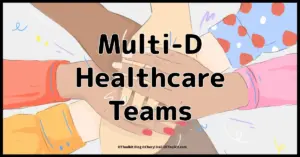
However, the core objective of every member of a clinical team remains the same: the patient. Evidence consistently demonstrates that patients across all demographics and clinical conditions achieve superior outcomes when occupational therapy is an active, integrated participant in the multidisciplinary process. The challenge lies in shifting the culture of healthcare from fragmented, siloed departments toward a cohesive, collaborative model that recognizes the vital role of each discipline.
A promising development in this movement comes from the University of Wisconsin-Milwaukee, which recently spearheaded a significant effort to bridge these professional divides. Through their initiative, "Building Better Care through Teamwork—Expanding Inter-Professional Simulation at UWM," the university brought together students from occupational therapy, physical therapy, speech-language pathology, and nursing for a comprehensive interprofessional education (IPE) simulation. The feedback from the students involved was telling; they highlighted the immense value of gaining insight into the daily realities, workflows, and clinical priorities of their peers. More importantly, they recognized that learning to navigate different professional perspectives was not just an academic exercise but a foundational requirement for their future success. This initiative helped students refine critical skills in communication, leadership, and collaborative problem-solving—competencies that will undoubtedly translate into improved patient outcomes in their future clinical practice.
The urgency for such initiatives is rooted in the increasing complexity of modern medical care. Interdisciplinary teams are no longer a luxury; they are a necessity when managing patients with multifaceted needs. As medical knowledge expands and healthcare providers become increasingly specialized, the risk of fragmentation grows. Patients with chronic or complex conditions often move through a maze of specialists, and without a unified approach, their care can easily become disjointed. Team collaboration, particularly during routine care planning meetings and discharge transitions, is the mechanism by which we prevent these gaps.
Occupational therapists possess a distinct, holistic perspective that is essential for these complex cases. While other disciplines may focus on physiological metrics or specific motor functions, occupational therapy brings expertise in functional performance, environmental adaptation, and the facilitation of independence in daily life. To ensure this perspective is integrated into the team’s strategy, therapists must be prepared to contribute meaningfully and articulately to these discussions, asserting the value of their functional assessments.
The bedrock of effective teamwork is, invariably, communication. For many, the challenge is shifting the focus of that communication to align with the priorities of the wider team. When participating in interdisciplinary discussions, it is helpful to concentrate clinical observations on the "why" and the tangible functional impact of a patient’s condition. This is particularly valuable when discussing the implications of functional deficits on safe discharge planning. When a therapist can provide concise, specific data regarding necessary equipment, required levels of assistance, or home modifications, they shift the conversation from abstract clinical observations to actionable care decisions.
Furthermore, proactive communication can help prevent the common pitfall of service overlap. Regularly consulting with physical therapy and speech-language pathology colleagues is essential to ensure that interventions are complementary rather than redundant. By coordinating these efforts, the team not only optimizes the patient’s time and energy but also demonstrates a unified, professional approach to care. Throughout these interactions, the therapist’s primary goal should always be to emphasize the unique perspective of occupational therapy: a holistic approach that prioritizes the real-life tasks most essential to a patient’s independence and their ability to enjoy life after clinical intervention.
Beyond individual interactions, there is a broader imperative to advocate for a structural shift toward a team-based culture within healthcare organizations. When pitching this approach to leadership or peers, the benefits are compelling. A robust, team-oriented culture can significantly reduce medical errors, lower readmission rates, and improve the management of chronic conditions. By eliminating clinical silos, organizations can optimize their workforce, assigning tasks based on the specific expertise of each clinician rather than relying on historical hierarchies or rigid department lines. This not only streamlines clinical decision-making but also enhances the overall efficiency of the facility.
Perhaps most importantly, the adoption of effective team models can serve as a vital tool in combating clinician burnout. The mental and emotional load of managing complex patients is heavy, and it is a burden that should not fall on one or two individuals. When teams function well, they share this load, fostering an environment of peer learning and mutual support. In such settings, clinicians feel more connected to their work and to one another, which is a critical factor in long-term professional retention.
The path forward requires a conscious effort from every clinician. Teams are an incredibly powerful instrument in the healthcare arsenal, but they only function as well as their participants allow. By remaining prepared to contribute to the management of complex cases, continuously honing communication skills, and advocating for more integrated, collaborative structures within our own organizations, we can elevate the standard of care. The ultimate beneficiaries of this work are the patients we serve and the colleagues we work alongside, both of whom stand to gain from a more integrated, thoughtful, and unified approach to healing. As the landscape of healthcare continues to evolve, the ability to work effectively as part of a team will remain the most critical skill a clinician can possess.