






Following a series of recent discussions regarding the essential nature of multidisciplinary health care teams, a central question has emerged within the rehabilitation community: How can Occupational Therapists (OTs) more effectively articulate and demonstrate the unique value they bring to patient care? While the profession is indisputably integral to holistic medicine, there has long been a recognized struggle within the field to communicate that value in a way that resonates with colleagues, administrators, and the public.
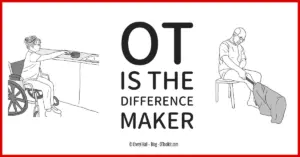
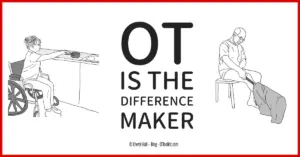
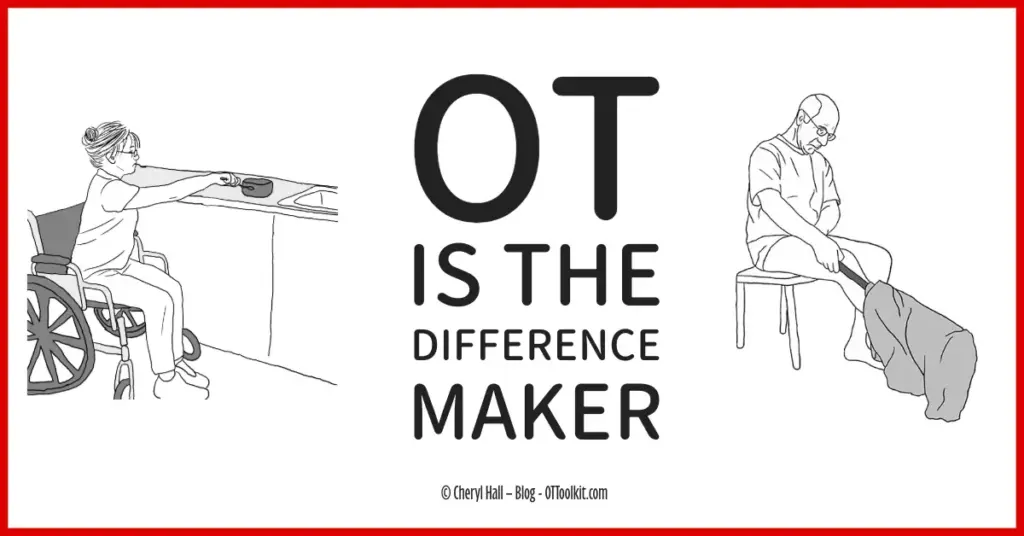
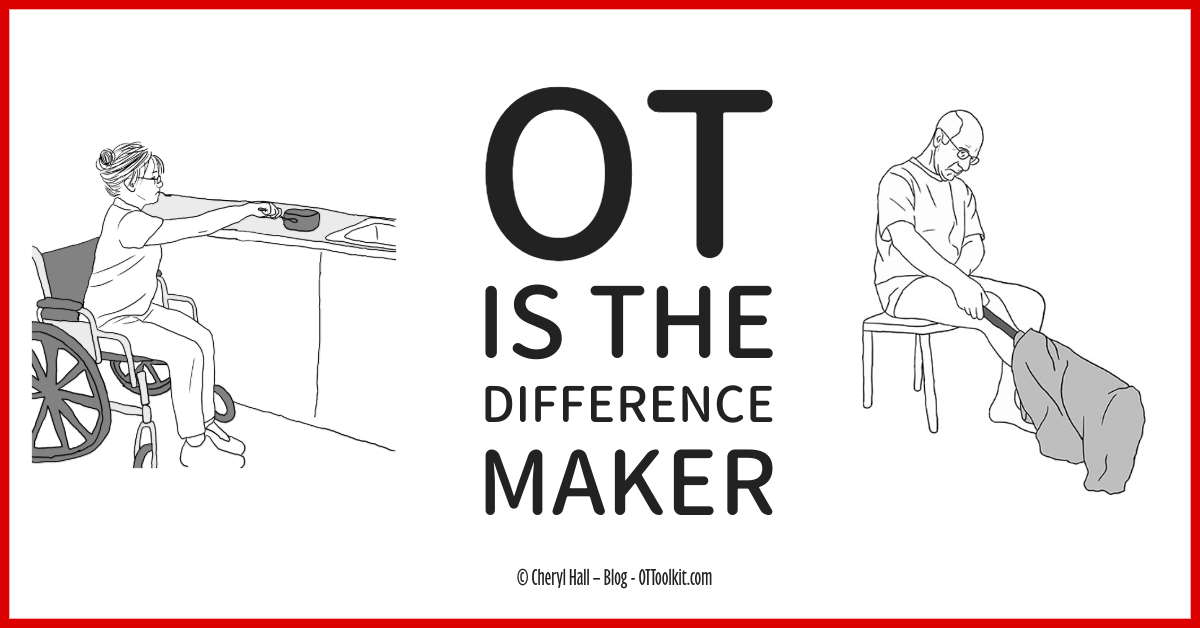
The profession often finds itself in a position of having to justify its presence, not because its clinical interventions lack efficacy, but because its contributions are frequently nuanced, deeply personal, and sometimes difficult to quantify using traditional medical metrics. To address this, many in the field are shifting their narrative. Instead of focusing solely on technical interventions or clinical jargon, there is a growing movement to define the OT as the "difference maker" on the health care team. By anchoring the profession’s identity in concrete, transformative moments—where OTs meet patients exactly where they are in their health care journey—the field can better illustrate the profound impact they have on the quality of life for those they serve.
Reflecting on years of clinical practice, several patient experiences stand out not because they involved high-tech equipment or life-saving surgery, but because they represented a fundamental shift in a patient’s daily existence—a shift that, in each instance, was facilitated specifically by an OT. These stories serve as powerful reminders that the true measure of occupational therapy often lies in the restoration of autonomy, dignity, and joy.

One such experience involved a ten-year-old patient named Paul, who was battling terminal cancer. Paul had become increasingly withdrawn and depressed, his spirit dampened by the heavy burden of his illness. He was wheelchair-bound, and despite the diligent efforts of his care team, each daily therapy session seemed to conclude with the same heavy atmosphere of defeat. The clinical interventions were sound, but they were failing to reach the child behind the diagnosis.
In a moment of clinical intuition, the attending OT decided to pivot from traditional therapeutic exercises to something more human-centered. Armed with a simple grabber tool, the therapist waited for Paul’s mother to step into the kitchen to wash dishes. In a quiet, conspiratorial move, the therapist handed the grabber to Paul and whispered, "Hide it under the table." When Paul’s mother returned to the room and began searching for her misplaced dish towel, the boy’s eyes lit up with a spark of mischief. As his mother searched through drawers, Paul burst into genuine laughter, waving the towel in the air.
That single, simple interaction transformed the dynamic of his care. The grabber became a tool for play, allowing Paul to tease his parents and siblings in the final two weeks of his life. When his parents later reached out to share the news of his passing, they did not speak of the clinical goals or the physical mobility exercises; they spoke of their gratitude for the brief, precious moments of fun and childhood mischief that the OT had facilitated. It was a profound reminder that when health care focuses only on the disease, it misses the person, and it is often the OT who bridges that gap.
The unique problem-solving capacity of occupational therapy is further illustrated by the case of "Jack," a patient suffering from severe, uncontrolled diabetes. Following a surgical procedure that left him with only his thumbs and half of his dominant index finger, Jack was struggling to regain his independence in his Activities of Daily Living (ADLs). While he was initially receptive to the therapist’s guidance on adaptive strategies, he eventually reached a breaking point of frustration. In a moment of vulnerability, he confessed that he was embarrassed to ask for help with yet another task, noting that his recent surgery had specifically robbed him of his "nose-picking finger."
While this might seem like a trivial complaint in the broader scope of post-surgical recovery, for Jack, it was a matter of basic dignity and autonomy. The OT, rather than dismissing the concern, conducted a thorough assessment of the sensation, skin integrity, and circulation in his residual finger. After consulting with the nursing and medical staff to ensure clinical safety, the therapist constructed a custom device using Velcro and splinting material. Through careful adjustments, the device enabled Jack to perform the task independently. By addressing a "small" issue that mattered immensely to the patient, the OT helped Jack reclaim control over a private, yet essential, aspect of his daily life.
Similarly, the impact of occupational therapy is often found in the removal of invisible barriers that keep patients captive in their own homes. Consider the case of "Dorothy," a 75-year-old patient living with severe rheumatoid arthritis. During a routine home evaluation, the therapist noted that whenever they arrived, Dorothy would call out from inside that the door was unlocked, rather than opening it herself. Upon investigation, it was discovered that in the ten years Dorothy had occupied the apartment, she had never once been able to open her own front door. She had relied on neighbors to let her in, leaving the door unlocked for visitors.
The barrier was not a lack of physical strength alone, but a mechanical issue; the magnetic seal on the door was extraordinarily strong. Using simple masking tape, the OT modified the surface, reducing the seal’s resistance by half. For the first time in a decade, Dorothy was able to open her front door independently. To ensure this was a permanent solution, the therapist coordinated with the apartment manager and the local fire department to verify that the modification did not compromise the apartment’s fire safety standards. The result was a restoration of independence that, while invisible to the outside world, was life-changing for the patient.
These anecdotes illustrate a core truth about the profession: the "difference maker" is not always the person performing the most dramatic intervention, but the one who listens closely enough to identify the specific obstacles—whether physical, environmental, or emotional—that prevent a patient from living their life fully. These needs would likely have gone unaddressed without the lens of occupational therapy, which prioritizes the patient’s goals and their interaction with their environment.
As the healthcare landscape continues to evolve, the challenge remains for OTs to carry these stories into their daily practice. When the broader health care team needs to be reminded of the value of occupational therapy, it is these narratives of resilience, dignity, and creative problem-solving that provide the most compelling evidence. By sharing how they have acted as the difference maker for their own patients, practitioners can help their colleagues understand that the true value of the profession lies in its unwavering commitment to the human experience.