



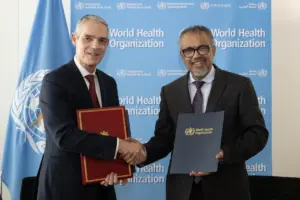

The World Health Organization (WHO) and the Kingdom of the Netherlands have formally announced the renewal of their strategic partnership, signaling a deepened commitment to addressing the intensifying intersection of climate change and global public health. This renewed cooperation, underpinned by a fresh allocation of €500,000 for 2024, is designed to bolster global climate resilience and facilitate the transition toward more sustainable, low-carbon healthcare systems. By reinforcing the Alliance for Transformative Action on Climate and Health (ATACH) Secretariat and expanding the reach of climate-health programs, the partnership aims to provide countries with the essential tools to navigate the complex environmental challenges of the coming decade.
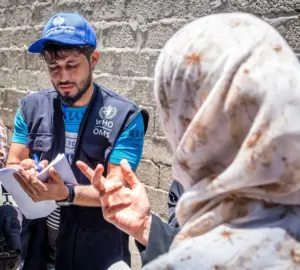
This latest financial injection marks a significant milestone in a collaboration that first took flight in 2023. Since the inception of this formal partnership, the Netherlands and the WHO have worked in tandem to address the urgent needs of nations across Africa, Asia, and the Eastern Mediterranean. Their joint initiatives have focused on practical, ground-level interventions, such as the implementation of integrated climate and health surveillance systems. These systems are crucial for early warning, allowing health authorities to anticipate and mitigate the risks posed by climate-related disasters before they escalate into full-scale humanitarian crises. Furthermore, the collaboration has been instrumental in helping nations meet the health commitments established during COP26, harmonizing early warning frameworks for climate-sensitive diseases, and empowering local health ministries to strengthen the readiness of their health infrastructure against environmental shocks.
The urgency of this work cannot be overstated. As the global climate continues to shift, the health of populations worldwide is increasingly under threat. From the intensification of extreme weather events, such as the catastrophic floods recently seen in Kenya, to the shifting patterns of infectious diseases, the health sector finds itself on the front lines of the climate crisis. The partnership between the Netherlands and the WHO serves as a vital pillar in assisting Member States as they endeavor to develop healthcare systems that are both resilient to these disruptions and aligned with global sustainability goals.

Beyond direct government-to-government support, a core function of this alliance is the cultivation of a robust ecosystem of stakeholders. The effort to combat climate-related health risks requires a multi-sectoral approach that transcends traditional institutional boundaries. The WHO and the Netherlands are actively engaging with a diverse range of partners, including civil society organizations, Multilateral Development Banks, United Nations agencies, and the global community of health professionals. By fostering this concerted action, the partners aim to ensure that climate change is not treated as a peripheral issue, but as a central component of national and international health strategies.
The Netherlands has firmly positioned itself as a global leader in advocating for the integration of climate action into health policy. This leadership is deeply rooted in the Dutch Global Health Strategy 2023-2030, which explicitly highlights the intrinsic link between a stable climate and public health outcomes. A testament to this leadership was the proactive role the Netherlands played, alongside Peru, in the 2024 adoption of the World Health Assembly 77 Resolution on Climate Change and Health. This resolution, which updates and succeeds the previous mandate from 2008, serves as a rallying cry for the international community. Recognizing that the status quo is insufficient to meet the speed and scale of current climate shifts, the resolution calls for a comprehensive WHO global action plan. It demands heightened national efforts to adapt healthcare systems and explicitly mandates the mainstreaming of climate change and health considerations into the WHO’s upcoming Fourteenth General Programme of Work.

This renewed partnership brings the total financial commitment from the Netherlands toward WHO-led climate and health activities to over €1.1 million since 2023. The timing of this funding is critical, arriving as the global health community prepares for the high-stakes discussions set to take place at COP29 in Azerbaijan later this year. As nations prepare to negotiate the next phase of climate action, the evidence provided by the Netherlands-WHO partnership will be essential in keeping health at the forefront of the global agenda.
The WHO’s latest investment case provides a clear vision for the future, projecting that with sustained collaboration between the organization, its Member States, and global partners, as many as 7.5 million lives could be saved over the next four years. This ambitious target relies on the successful integration of climate resilience into the Fourteenth General Programme of Work, ensuring that health systems are not only capable of weathering the storms of a changing climate but are also leaders in reducing their own environmental footprint.
As the partnership moves forward, the focus remains steadfast: ensuring that health is a central, non-negotiable element of all climate negotiations and subsequent actions. Both the Netherlands and the WHO are dedicated to building resilience in the most vulnerable regions of the world, where the impacts of climate change are often felt most acutely. By empowering these countries to adopt sustainable, low-carbon healthcare solutions, the alliance is working to create a world where health infrastructure serves as a bastion of protection rather than a casualty of environmental degradation.
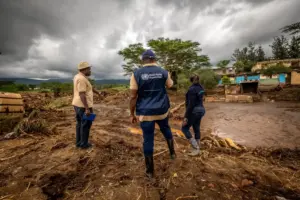
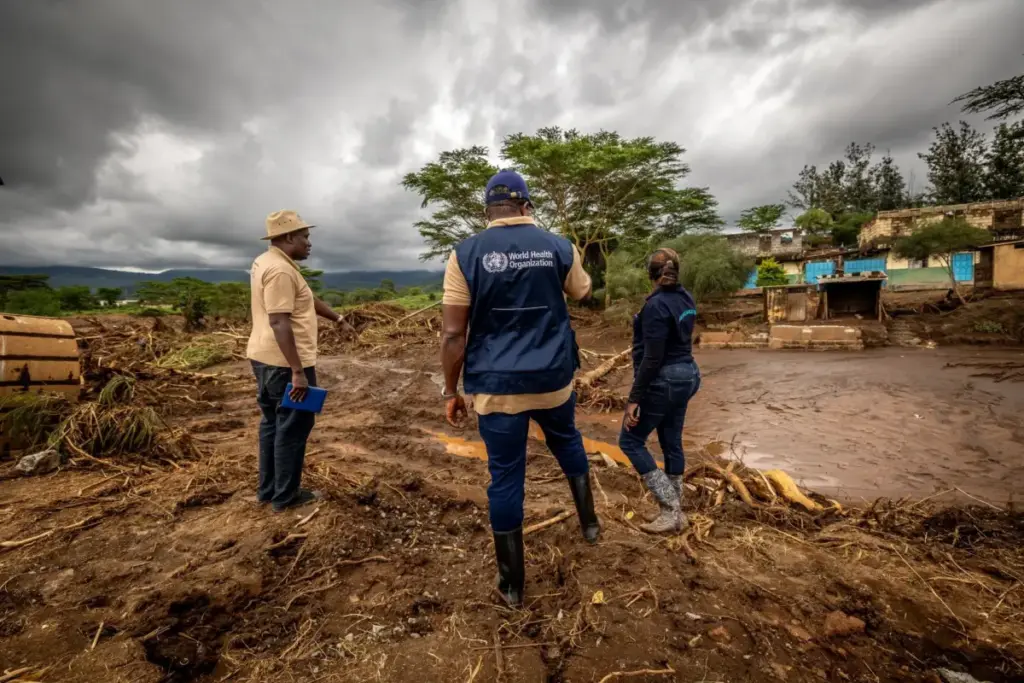
The visual reality of this work is captured in the aftermath of events like the recent flash floods in the Mai Mahiu region of Kenya. In late April 2024, as the region struggled with the consequences of months of uncharacteristically heavy rainfall—including fatalities, the destruction of critical infrastructure, and the looming threat of disease outbreaks—WHO-trained rapid responders were on the ground. These teams were tasked with evaluating the impact, coordinating emergency responses, and identifying the immediate health needs of affected communities. Such moments underscore the necessity of the surveillance and early warning systems that the Netherlands and the WHO are working so diligently to standardize.
The path ahead involves a complex blend of policy reform, infrastructure investment, and capacity building. The renewed commitment between the Netherlands and the WHO provides the necessary resources to continue this essential work, ensuring that health systems are prepared for the challenges of today while remaining adaptable for the uncertainties of tomorrow. Through continued investment, strategic advocacy, and a commitment to the most vulnerable, the partnership continues to play a defining role in the global effort to protect human health in an era of climate change.