








For occupational therapists (OTs) seeking a career path that is both professionally challenging and deeply rewarding, the field of geriatric care has emerged as a primary frontier. As the global population continues to shift toward an older demographic, the demand for specialized therapeutic interventions tailored to the needs of older adults is reaching unprecedented levels. For those who have worked in settings like home health, the experience of helping patients maintain their autonomy in their later years is often cited as a career-defining endeavor.
The urgency of this specialization is underscored by clear demographic trends. The cohort of individuals aged 65 and older is currently the fastest-growing segment of the population, not only within the United States but across the globe. This shift is reshaping the landscape of community health; current data indicates that in more than 1,400 U.S. counties—representing nearly half of the country—older adults now outnumber children. This demographic reality necessitates a robust infrastructure of care that prioritizes the unique occupational needs of aging individuals.
Central to the success of this care model is the preference among older adults to “age in place.” The desire to remain in one’s own home is overwhelming, driven by the value of community ties, long-held memories, and the preservation of autonomy in daily decision-making. Beyond the emotional benefits, aging in place is frequently more cost-effective than transitioning to senior living facilities. However, enabling this transition successfully requires a proactive approach from healthcare providers, particularly occupational therapists, who are uniquely positioned to address the barriers that often force premature institutionalization.

To serve this population effectively, an occupational therapist must develop a sophisticated understanding of the complex interplay between physical, cognitive, and emotional changes associated with aging. These factors are not merely tangential; they are the primary drivers of an effective, patient-centered treatment plan. Physical challenges are often the most visible, manifesting as a decline in bone density, joint flexibility, and muscle mass, which in turn leads to significant issues with balance, mobility, and fine motor control. Furthermore, chronic health conditions and the natural decline of sensory processing—such as vision and hearing—can create a cumulative effect that complicates daily tasks.
Cognitive health is another critical pillar of geriatric care. While some level of cognitive slowing is a normal part of the aging process, this can be significantly exacerbated by underlying medical conditions, nutritional deficiencies, and the complex management of multiple medications. It is also important to recognize that age remains the primary risk factor for conditions such as Mild Cognitive Impairment (MCI), dementia, and Alzheimer’s disease. Occupational therapists must approach these issues with a high level of clinical acumen, ensuring that treatment plans are adapted to the patient’s cognitive state.
While societal narratives often focus on the decline associated with aging, it is worth noting that many older adults report high levels of life satisfaction. However, the emotional toll of physical and cognitive barriers cannot be overlooked. A successful therapist listens to their patients, viewing them as whole individuals whose emotional well-being is intrinsically linked to their ability to perform their most important occupations. By identifying and addressing the roadblocks that hinder these occupations, OTs provide a vital service that goes beyond simple physical rehabilitation.
Preparation is paramount when working with this population, and the use of evidence-based assessment tools is essential. While resources like the American Occupational Therapy Association (AOTA) provide comprehensive toolkits to help practitioners identify the right metrics for their patients, the clinical choice of which tool to use rests on the therapist’s ability to assess the specific needs of the individual in front of them. Whether through standardized physical evaluations or cognitive screenings, these assessments form the foundation upon which a safe and effective plan of care is built.
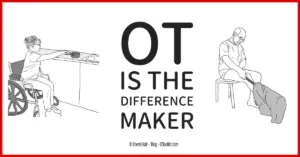
As therapists engage with their older patients, a recurring theme is the profound desire to maintain independence in Activities of Daily Living (ADLs). This is an area where occupational therapy excels. Providing assistance with the mechanics of daily life—such as toileting, dressing, bathing, and eating—is one of the most direct ways an OT can improve a patient’s quality of life. The implementation of specific techniques, the introduction of adaptive equipment, and the integration of modern technology can be transformative. When a patient regains the ability to perform a self-care task they previously thought was lost, the impact on their self-esteem and independence is immense.
This support extends into the realm of Instrumental Activities of Daily Living (IADLs), which are the more complex tasks necessary for independent living. This includes managing medication schedules, preparing meals, navigating transportation, handling shopping, maintaining communication, and pursuing leisure activities. Technology plays an increasingly vital role here, offering new solutions for medication management and social connectivity. Underpinning all of these interventions is the role of the occupational therapist in designing customized, functional strengthening programs that help manage chronic conditions like arthritis, COPD, Parkinson’s disease, and diabetes.
In the context of home health, the occupational therapist’s role takes on an added dimension of safety management. A home is a familiar space, but it can also be a minefield of potential fall hazards. OTs serve as expert evaluators, conducting thorough assessments to identify risks and suggest modifications that allow the patient to remain safely in their environment. This often involves evaluating mobility and balance, and making recommendations for the use of assistive devices such as walkers, rollators, canes, or even the installation of stair lifts.
The bathroom, arguably the most hazardous room in the home, requires particular attention. Here, the expertise of an OT can make a life-altering difference. Through the implementation of grab bars, raised toilet seats, toilet frames, and shower chairs or transfer benches, therapists can preserve both the safety and the privacy of their patients. Furthermore, the modern era of smart home technology—including automated lighting, medication reminders, and medical alert systems—allows OTs to leverage digital tools to compensate for physical or cognitive deficits. Whether it is recommending devices to assist with the fine motor challenges of buttoning a shirt or developing strategies to mitigate the impact of low vision during meal preparation, the goal is always to maximize the patient’s functionality.
Ultimately, the power of occupational therapy in geriatric care lies in its holistic philosophy. By prioritizing the patient’s desires and personal goals first, the OT acts as a facilitator, putting the necessary supports in place to ensure the patient can continue to participate in the occupations that define their life. As the number of older adults continues to rise, the role of the occupational therapist in enabling these individuals to age with dignity, independence, and purpose has never been more critical to the healthcare landscape.