








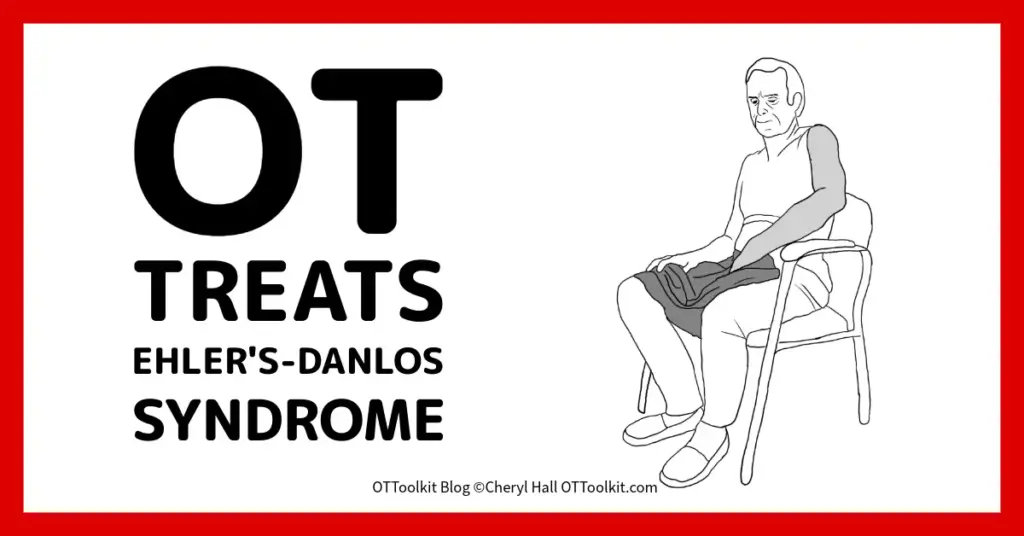
The Occupational Therapy Toolkit, a widely utilized resource for clinicians, is set to expand its clinical guidance to include Ehlers-Danlos Syndrome (EDS). This development stems from direct feedback provided by the occupational therapy community, specifically prompted by a practitioner in Tennessee who identified a critical need for dedicated resources regarding this complex, multisystemic condition. As the Occupational Therapy Toolkit continues to evolve as a comprehensive reference, the inclusion of EDS aims to empower clinicians to provide more effective, evidence-based care for a patient population that often struggles to find specialized support.
Ehlers-Danlos Syndrome represents a group of rare, heterogeneous connective tissue disorders characterized by a genetic disruption in the body’s production and utilization of collagen. Collagen serves as the fundamental building block for the skin, joints, blood vessels, and other vital organs. When this structural integrity is compromised, the clinical manifestations can be wide-ranging and often debilitating. While 13 distinct types of EDS have been identified, each possessing unique genetic underpinnings, the clinical presentation frequently overlaps. Patients often report chronic joint hypermobility, persistent instability, and recurring pain. Furthermore, the dermatological impact of the syndrome can be significant, presenting as fragile skin that is prone to bruising, tearing, and delayed wound healing.
The systemic nature of EDS frequently extends beyond musculoskeletal challenges, impacting cardiovascular and digestive health. Many patients report symptoms of autonomic dysfunction, such as dizziness upon standing, as well as chronic fatigue and complex gastrointestinal issues. Because these symptoms can be pervasive, the role of an occupational therapist is essential in helping patients manage their daily activities and improve their overall quality of life. By addressing the functional limitations imposed by these connective tissue disruptions, therapists can help patients regain a sense of autonomy and stability.
The decision to incorporate EDS into the next edition of the Occupational Therapy Toolkit highlights the importance of practitioner-led feedback in medical literature. While the most recent iteration of the Toolkit was released in 2024, the process of continuous improvement necessitates that authors remain responsive to the emerging needs of the field. For clinicians who may not have encountered EDS during their formal training or early practice years, having a structured, reliable guide is paramount. Occupational therapy interventions for EDS are multifaceted, requiring a deep understanding of how systemic pain and physical instability intersect with a patient’s daily environment.
One of the primary pillars of OT intervention for EDS is joint protection. Because hypermobility places significant stress on connective tissues, patients are at a high risk for hyperextension and chronic joint pain. Occupational therapists play a critical role in mitigating these risks by teaching patients how to modify their daily tasks to avoid unnecessary strain. This often involves the design and fitting of specialized splints or orthotics, which provide the external stability the body’s own collagenous structures cannot. By instructing patients in safe movement patterns and home-based pain management techniques, therapists can help prevent further injury and reduce the cycle of chronic inflammation.
Energy conservation is another essential focus for therapists working with this population. The systemic impact of EDS, particularly the chronic fatigue that often accompanies the condition, can make routine tasks feel insurmountable. Therapists work closely with patients to develop personalized pacing and planning strategies that help manage energy expenditure throughout the day. By analyzing the patient’s daily schedule and environment, therapists can identify specific tasks that require modification, allowing the patient to maintain productivity without triggering debilitating fatigue. This shift in approach is not just about convenience; it is about preserving the patient’s capacity to engage in the activities that are most meaningful to them.
In addition to these core strategies, the use of adaptive equipment can be a game-changer for those with EDS. Beyond assisting with joint protection and energy conservation, equipment such as mobility aids, ergonomic seating, or assistive technology for the home can significantly improve safety. For many patients, the risk of falls—exacerbated by proprioceptive deficits and dizziness—is a constant concern. By proactively assessing the home and community environment, an occupational therapist can recommend specific modifications that mitigate these hazards, facilitating safer mobility and greater independence in the community.
Ergonomics also plays a vital role in the management of EDS, particularly for patients navigating work or academic environments. OTs are uniquely positioned to evaluate these spaces to ensure an optimal setup that minimizes the risk of repetitive motion injuries. This may involve recommending specific office furniture, keyboard configurations, or software solutions that reduce the physical demand on sensitive joints. By tailoring the environment to the patient’s physical needs, therapists can help prevent the exacerbation of symptoms that often occurs during prolonged, static activities.
A frequently overlooked but critical area of intervention is the improvement of proprioception. Because hypermobility can compromise the body’s ability to sense its position and movement in space, patients with EDS may struggle with balance and coordination. To address this, occupational therapists utilize targeted therapeutic exercises designed to enhance sensory input and joint stability. By improving the patient’s internal awareness of their body, these interventions help protect joint health and reduce the reliance on external compensation strategies.
The management of EDS is further complicated by a range of co-occurring symptoms, including sleep disturbances, mental health challenges, migraines, and autoimmune comorbidities. Addressing these issues requires a holistic approach, where the therapist acts as part of a larger, multidisciplinary care team. Occupational therapists can provide invaluable support by offering cognitive-behavioral strategies for pain management, sleep hygiene education, and environment modifications that help reduce the intensity of migraines. By focusing on the intersection of physical and mental well-being, therapists help patients navigate the complexities of a chronic condition that touches nearly every aspect of their lives.
While the current edition of the Occupational Therapy Toolkit serves as a robust resource for addressing general ADL, mobility, and therapeutic exercise needs, the addition of a specific EDS treatment guide will further enhance its utility. The existing framework of the Toolkit—which already provides extensive educational handouts and exercise protocols—offers a solid foundation for treating the systemic symptoms associated with EDS. By formalizing this guidance, the resource will provide a more targeted roadmap for clinicians who are often the first line of defense in helping these patients adapt to their unique physical requirements.
For clinicians seeking immediate information, The Ehlers-Danlos Society remains the primary authority on the condition. Their digital platform provides comprehensive resources for healthcare professionals, including advanced continuing education modules, current research initiatives, and a directory of specialists who have developed expertise in the field. Engaging with such resources is essential for any clinician committed to providing high-quality care for patients with rare and complex connective tissue disorders.
The proactive nature of this update—driven by a practitioner’s desire to better serve a patient in Tennessee—serves as a reminder that the occupational therapy profession thrives on collaboration and shared knowledge. The author of the Occupational Therapy Toolkit continues to encourage such dialogue, inviting clinicians to share their insights and suggestions directly. As the field continues to address the needs of patients with rare conditions, the integration of clinical experience into established educational resources ensures that the standard of care continues to rise, ultimately benefiting patients who depend on the expertise and ingenuity of their therapists to navigate the challenges of daily life.