







For decades, the diagnosis of major depressive disorder has functioned as an umbrella term, capturing a vast spectrum of human suffering under a single clinical label. Two individuals walking into a doctor’s office with the same diagnosis may present entirely different internal realities: one might be trapped in a cycle of relentless, repetitive negative thoughts and paralyzing anxiety, while another may be grappling with the physiological remnants of past trauma or the chaotic symptoms of substance misuse. For clinicians and researchers alike, the question has long persisted: do these disparate clinical symptoms reflect fundamental differences in how the brain actually functions?
A groundbreaking study led by researchers at the University of Helsinki has now provided a compelling answer. By investigating the biological underpinnings of depression, the research team uncovered a striking reality: people sharing the same clinical diagnosis often exhibit dramatically different patterns of brain activity. In some individuals, the functional connectivity between various brain regions is hyper-active and unusually strong, while in others, that same communication is markedly weaker than what is observed in healthy individuals. This discovery challenges the traditional view of depression as a monolithic condition and suggests that the biological signature of the disorder is far more complex and varied than previously understood.
The scale of this issue is immense. According to data from the World Health Organization (WHO, 2025), approximately 332 million adults worldwide—roughly 5.2% of the global population—are currently living with depression. In Finland, the impact is particularly acute, with depression serving as the primary cause for both extended sick leave and long-term disability pensions. Given these staggering numbers, the failure to fully understand the underlying biology of the condition has hindered the development of truly effective, targeted interventions.
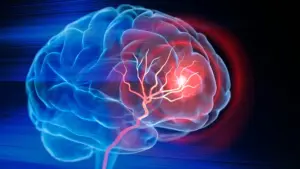
Brain Study Identifies Five Distinct Depression Profiles
To peel back the layers of these biological differences, the Helsinki research team conducted an extensive study of 263 people diagnosed with major depressive disorder, using a cohort of 75 healthy participants as a benchmark for comparison. The core of their analysis focused on functional connectivity—a metric that measures how synchronized the activity of different brain regions is. When two regions exhibit synchronized firing, it serves as a sign that they are integrated into a larger, collaborative brain network. Crucially, the researchers noted that higher connectivity does not necessarily correlate with improved brain function, just as lower connectivity does not always mean a total loss of function.
"What was particularly interesting was the contrasting patterns of brain activity found under the umbrella of the same depression diagnoses," says Director Satu Palva of the Neuroscience Center at the University of Helsinki. "In some individuals, the functional connectivity between brain regions was stronger than usual, while in others it was weaker."
This variance in connectivity patterns appears to be directly tied to the specific symptom clusters patients report. For instance, the researchers observed that participants in certain groups exhibited hyper-connectivity—exceptionally strong links between brain regions—which often correlated with more severe instances of substance abuse. Conversely, other groups displayed a widespread pattern of weak connectivity, which was more frequently associated with the presence of post-traumatic stress disorder (PTSD) symptoms.
These findings offer a potential solution to a long-standing mystery in psychiatry: why previous studies into the neuroscience of depression have frequently arrived at conflicting or inconsistent conclusions. If researchers are inadvertently grouping patients with different underlying biological profiles into a single study, they are likely to observe vastly different, even contradictory, brain patterns. The current evidence suggests that depression does not possess a single, universal biological fingerprint; rather, it is likely a collection of several distinct, biologically unique patterns of neural operation.
The Five Brain Patterns Linked to Depression
To map these differences, the research team classified the participants into five distinct groups based on the strength of communication between brain areas and the specific frequencies at which their neural activity was coordinated. Each group revealed a unique physiological profile:
Group 1 was defined by relatively strong connectivity between brain regions. This group was associated with a high severity of symptoms across several dimensions, including general depression, debilitating anxiety, and persistent rumination—the repetitive dwelling on negative thoughts or past distress—all of which significantly reduced the individual’s ability to navigate daily life.
Group 2 presented the opposite trend: relatively weak communication between brain regions. Interestingly, participants in this group generally reported milder symptoms compared to their counterparts in other categories.
Group 3 was characterized by widespread, systemic weakness in connectivity across substantial portions of the brain. For these individuals, symptoms associated with post-traumatic stress disorder were particularly prominent, suggesting that trauma may impact the brain’s ability to maintain standard network synchronization.
Group 4 exhibited a "mixed" profile. These participants displayed a fragmented pattern of unusually strong connections in certain brain regions alongside weaker connections in others. This group struggled with a high burden of multiple challenges, including more severe depressive states, higher rates of substance abuse, and a lower overall sense of well-being.
Group 5 showed the most intense hyper-connectivity of all, with the strongest connections between brain regions of any group identified in the study. Within this group, substance abuse was a major clinical issue, though interestingly, trauma-related symptoms were less pronounced here than in the other identified categories.
Across all five groups, the researchers noted consistent differences when compared to the healthy control participants. These distinctions were not limited to the simple binary of "strong versus weak" connectivity; they also varied significantly in terms of which specific brain regions were involved and the precise frequencies at which their neural signals were synchronized.
Measuring Brain Activity with Millisecond Precision
The methodology behind these findings was as crucial as the results themselves. The researchers employed magnetoencephalography (MEG), an advanced imaging technique capable of detecting the faint magnetic fields generated by electrical activity in the brain. Unlike traditional functional magnetic resonance imaging (fMRI), which tracks slower metabolic changes, MEG allows scientists to monitor electrical signals as they unfold in real time.
"MEG enabled us to monitor electrical brain activity with millisecond precision, helping us get closer to what actually happens in the brain at any given moment," Palva notes. "Previously, depression phenotypes have been studied using methods with slower responses."
This high level of temporal resolution was essential for identifying the rapid, flickering changes in neural communication that slower techniques would likely miss. By capturing these fast signals, the team could distinguish not only the strength of the neural connections but also the rhythm and frequency at which different brain regions synchronized their activities, providing a much higher-definition map of the depressive brain.
A Path Toward Personalized Treatment
The discovery that depression is biologically heterogeneous raises a profound possibility for the future of mental health care: the prospect of personalized medicine. Currently, the process of treating depression is often a matter of trial and error. A patient might be prescribed a specific antidepressant or therapeutic approach, only to find that it offers little relief, necessitating a switch to another medication or technique. Because every patient responds differently, finding the right "fit" is often a lengthy, frustrating, and sometimes discouraging process.
If clinicians could eventually use brain activity measurements as a diagnostic tool, it might be possible to predict which treatments are most likely to work for a specific individual, effectively shortening the road to recovery. However, the researchers are careful to temper expectations. They emphasize that while these findings are a significant step forward, the technology is not yet ready for routine clinical use in a doctor’s office.
"We’re not yet at the point where brain measurements can be used to choose the right treatment for patients, but the study does show one possible route," says Palva.
The long-term goal of this research is to bridge the gap between abstract biological patterns and the lived experience of patients. By building a more comprehensive understanding of how specific symptoms—like rumination, anxiety, or trauma-induced distress—map onto neural network behavior, researchers hope to move toward more precise, biologically informed characterizations of depression. If successful, this approach could eventually minimize the trial-and-error nature of psychiatric treatment, allowing for interventions that are tailored to the individual’s unique biological reality.
For now, these five brain profiles serve as a new lens through which to view a complex condition. By shifting away from the assumption that one diagnosis requires a singular, uniform biological explanation, the scientific community is beginning to acknowledge that depression is not a single disease, but a diverse family of neural conditions that require equally diverse, targeted approaches to healing. This research, conducted in collaboration with Aalto University and the Helsinki and Uusimaa Hospital District (HUS), marks a critical milestone in that transition.