








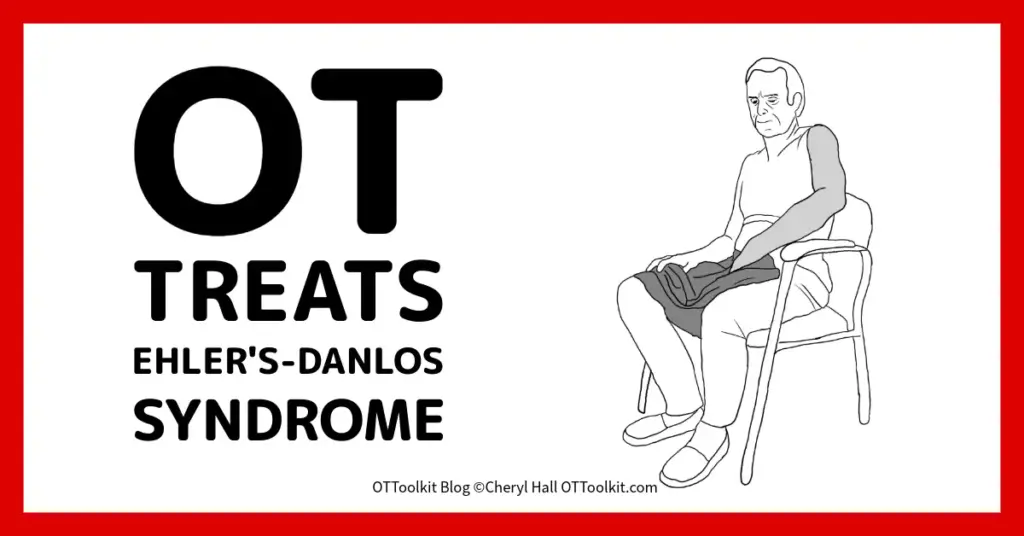
The occupational therapy community thrives on collaboration, constant learning, and the shared goal of improving patient outcomes through evidence-based practice. Recently, these core values were highlighted when a practicing occupational therapist from Tennessee reached out to the editorial team behind the Occupational Therapy Toolkit with a compelling request. The therapist noted that a patient living with Ehlers-Danlos Syndrome (EDS) had expressed a significant need for dedicated resources and treatment guidance within the widely used reference book. This inquiry underscored a critical gap in common clinical literature, prompting a reevaluation of how practitioners can better support those navigating the complexities of this rare condition.
Ehlers-Danlos Syndrome represents a group of connective tissue disorders that are as varied as they are challenging. While it is classified as a rare condition, its impact on the lives of those diagnosed is profound. As an occupational therapist who had not previously specialized in the treatment of EDS, the request from the Tennessee clinician served as a vital reminder that the scope of practice must evolve alongside patient needs. Because occupational therapy interventions are uniquely suited to easing the chronic symptoms of EDS, increasing daily independence, and enhancing the overall quality of life for these patients, the decision was made to formally integrate EDS as a dedicated treatment guide in the next edition of the Occupational Therapy Toolkit.
While the 8th edition of the Occupational Therapy Toolkit was released in 2024, the urgency of the feedback from the field necessitates an immediate focus on how current clinical practices can be applied to EDS patients. By examining the nature of the condition and the specific modalities available to therapists, practitioners can begin to build a more robust framework for care even before new print resources are finalized.
At its core, Ehlers-Danlos Syndrome is a connective tissue disorder that disrupts the body’s ability to synthesize and utilize collagen, the protein responsible for the structural integrity of skin, joints, blood vessels, and internal organs. With thirteen distinct types identified to date, each stemming from specific genetic causes, the clinical presentation of EDS is highly individualized. However, common threads often emerge in the patient experience. Most individuals with EDS contend with joint hypermobility, which frequently leads to chronic instability and persistent pain. Furthermore, the skin is often fragile, prone to easy bruising, tearing, or hyperextensibility. Beyond the musculoskeletal impact, EDS is frequently accompanied by systemic manifestations, including debilitating fatigue, dizziness upon standing—often linked to dysautonomia—and complex digestive concerns.
For the occupational therapist, the primary goal is to provide interventions that address these multifaceted challenges while fostering long-term resilience. One of the most critical pillars of treatment is joint protection. Because patients with EDS often suffer from painful hyperextension, therapists play an essential role in modifying daily tasks to reduce unnecessary stress on joints. This includes instructing patients in safe home-based pain management techniques and, when necessary, designing and fitting custom splints to provide external stability that the body’s compromised collagen cannot provide. By mitigating the risk of subluxation and chronic inflammation, OTs help patients preserve joint health and reduce the reliance on pain management medications.
Managing the pervasive fatigue associated with EDS requires a strategic approach to energy conservation. Occupational therapists work closely with patients to implement pacing and planning strategies that help them navigate their day without triggering "crashes" or exacerbating systemic symptoms. This involves a thoughtful evaluation of daily activities, where task modification becomes a cornerstone of treatment. By breaking down complex tasks or identifying ways to complete necessary activities with less exertion, therapists empower patients to maintain their independence and participate in meaningful occupations that might otherwise be abandoned due to exhaustion.
The role of adaptive equipment is another vital component of the occupational therapy toolkit for EDS. Beyond the scope of energy conservation, targeted equipment can be life-changing for patients dealing with fall risks or mobility limitations. Whether it is recommending assistive devices for home safety or suggesting mobility aids that reduce the burden on lower-extremity joints, the goal remains the same: ensuring the patient can move through their environment safely and with confidence.
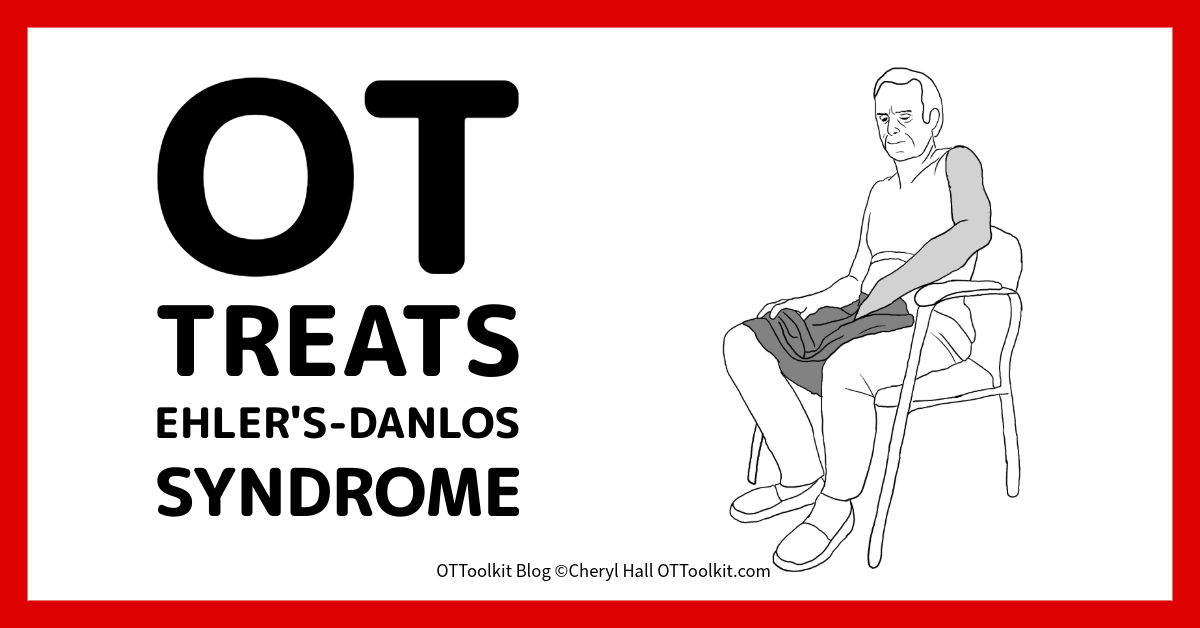
Ergonomic evaluation is equally essential, as patients with EDS often face unique stressors at school, in the workplace, or within the home. Occupational therapists are uniquely positioned to assess these environments and recommend adjustments that limit repetitive movements and reduce joint strain. This might include recommending specialized furniture, ergonomic keyboards, or software that minimizes the physical effort required for professional or academic tasks. By creating an environment that adapts to the patient’s physical limitations rather than forcing the patient to adapt to the environment, therapists can significantly reduce the risk of secondary injuries.
A less frequently discussed but critical area of intervention is the focus on proprioception. Because hypermobility can profoundly compromise an individual’s ability to sense their position, movement, and location in space, patients with EDS often struggle with balance and spatial awareness. Occupational therapists utilize targeted therapeutic exercises to improve proprioception, helping patients develop a better sense of body positioning, which in turn acts as a protective mechanism for joint health.
It is important to recognize that EDS rarely exists in a vacuum. Patients frequently navigate a constellation of co-occurring symptoms, including sleep disturbances, mental health challenges, migraines, and various autoimmune or gastrointestinal issues. The occupational therapy approach is inherently holistic, and practitioners can provide the necessary interventions, behavioral modifications, and lifestyle strategies to help patients manage these comorbidities effectively.
While the current edition of the Occupational Therapy Toolkit does not yet contain a dedicated, stand-alone Treatment Guide for EDS, the existing materials within the book remain an invaluable resource for therapists. The current framework offers a wealth of content that can be adapted for EDS patients, including comprehensive Treatment Guides, ADL and mobility-focused handouts, educational materials on various health conditions, and extensive therapeutic exercise protocols. By utilizing these existing resources in tandem with a deep understanding of EDS, clinicians can provide high-quality care that addresses the diverse needs of this patient population.
For those clinicians seeking further education or specialized resources on the condition, the Ehlers-Danlos Society remains the premier organization for information. Their website provides a wealth of data for healthcare professionals, including continuing education opportunities, the latest research findings, and a directory of healthcare professionals who possess specialized expertise in the management of EDS. Engaging with such organizations allows for a deeper understanding of the genetic and systemic nuances that define this complex condition.
The initiative to include Ehlers-Danlos Syndrome in the upcoming edition of the Occupational Therapy Toolkit stands as a testament to the power of practitioner feedback. The collaborative spirit of the occupational therapy field relies on the active participation of clinicians who see the gaps in their daily practice and choose to bridge them. As the profession continues to evolve, the ability to respond to these needs—not just with empathy, but with structured, clinical resources—remains the hallmark of effective patient care. Clinicians are encouraged to continue this dialogue and share their insights, as the evolution of the toolkit is directly fueled by the expertise and real-world experiences of the community. For those with ideas or suggestions on how to further improve clinical resources, the invitation to provide direct feedback remains open.