
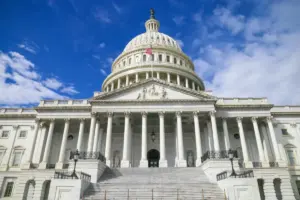


The World Health Organization (WHO) has officially expressed its profound regret following the United States’ notification of its intent to withdraw from the organization. As a founding member of the WHO, the United States has historically played a pivotal role in shaping global health policy and has contributed to some of the most significant public health triumphs of the last century. From the monumental eradication of smallpox to the ongoing, coordinated global efforts against polio, HIV, Ebola, influenza, tuberculosis, and malaria, the American partnership has been a cornerstone of international health security. Beyond these achievements, the U.S. has been a key ally in addressing neglected tropical diseases, combating the growing crisis of antimicrobial resistance, and establishing rigorous global food safety standards.
The WHO, in a formal response to the U.S. government’s notification, cautioned that the decision to exit the organization creates a vacuum that makes both the United States and the wider global community less safe. The notification of withdrawal triggers a formal process that will be reviewed by the WHO Executive Board during its scheduled meeting beginning on February 2, followed by a deeper evaluation during the annual World Health Assembly in May 2026. These forums serve as the primary venues for member states to address the administrative, legal, and political implications of such a departure, which stands as a significant rupture in the decades-long collaboration between the U.S. and the UN’s specialized health agency.
At the heart of the diplomatic friction are allegations leveled by the U.S. government, which has accused the WHO of having “trashed and tarnished” its reputation, insulted the nation, and compromised its institutional independence. The WHO has categorically rejected these assertions. In its rebuttal, the organization maintained that its interactions with the United States have always been conducted in good faith and with the same level of professional respect afforded to all 194 member states, strictly adhering to the principles of national sovereignty. The organization underscored that the accusations of bias or subservience to external agendas are fundamentally untrue, asserting that as an agency governed by a vast coalition of nations, it remains strictly impartial, existing to serve all countries without fear or favor.

The U.S. government’s decision to initiate withdrawal was explicitly linked to its critique of the WHO’s performance during the COVID-19 pandemic. American officials have characterized the WHO’s actions during the crisis as a series of failures, alleging that the organization obstructed the timely sharing of critical information and attempted to conceal its shortcomings. While acknowledging that no government or global institution navigated the unprecedented pressures of the pandemic without error, the WHO maintains that its response was rapid, transparent, and grounded in the best available scientific evidence.
The organization pointed to its handling of the early stages of the pandemic to illustrate its commitment to global safety. Upon receiving the initial reports of a mysterious cluster of pneumonia cases in Wuhan, China, on December 31, 2019, the WHO immediately requested further information from Chinese authorities and activated its emergency incident management system. By January 11, 2020—the date the first death from the virus was confirmed—the WHO had already disseminated alerts through public statements, social media, and formal diplomatic channels. The organization quickly convened global experts to synthesize data and published comprehensive guidance aimed at helping countries bolster their healthcare systems.
By the time the WHO Director-General declared COVID-19 a Public Health Emergency of International Concern (PHEIC) on January 30, 2020—the highest level of alert under international health law—there were fewer than 100 reported cases and zero reported deaths outside of China. Throughout this period, the WHO leadership repeatedly warned the global community that the window of opportunity for containment was closing. The Director-General used stark language, declaring that the situation was “not a drill” and labeling the virus “public enemy number one,” urging nations to take immediate, decisive action to protect their populations.
Regarding the specific policy recommendations during the pandemic, the WHO emphasized that it provided advice based on clinical evidence, such as the efficacy of masks, vaccines, and physical distancing. However, the organization clarified that it never mandated lockdowns, vaccine requirements, or mask-wearing policies. Instead, it supported the autonomy of sovereign governments to tailor their responses to the specific needs and values of their citizens, recognizing that the final decision-making power rested with national authorities.
In response to various international reviews of its performance, the WHO has proactively taken steps to refine its operations and support member states in strengthening their own pandemic preparedness. The systems managed by the WHO, which operate on a 24/7 basis, have remained critical in maintaining global health security, including the security of the United States.
Despite the current diplomatic tensions, the WHO expressed its appreciation for the ongoing engagement of its broader membership, which continues to work collaboratively within the WHO framework to tackle major health threats. A significant milestone in this collective effort was the adoption of the WHO Pandemic Agreement last year. Once ratified, this agreement is set to become a landmark instrument of international law, providing a structured mechanism to ensure the world is better prepared for future health crises. Negotiations are currently underway regarding an annex to this agreement, known as the Pathogen Access and Benefit Sharing system. If successfully implemented, this system will facilitate the rapid detection of pathogens with pandemic potential and ensure equitable access to essential medical countermeasures, including vaccines, therapeutics, and diagnostic tools, regardless of a nation’s economic status.
The organization remains steadfast in its hope that the United States will, at some point in the future, return to active participation within the WHO. For now, the agency emphasizes that it is fully committed to its core mission and constitutional mandate: the attainment of the highest possible standard of health as a fundamental right for every person on the planet. By continuing to work with all countries, the WHO seeks to navigate the current geopolitical complexities while maintaining its focus on the health and safety of the global population. The organization’s leadership signaled that while the departure of a founding member is a grave development, the work of addressing communicable and noncommunicable diseases, and preparing for future health threats, remains an essential, non-negotiable priority that transcends individual political disagreements. As the administrative process of the U.S. withdrawal moves toward its 2026 conclusion, the WHO continues to function as a vital, neutral platform for international health cooperation, serving the collective interests of its remaining member states and the global public.