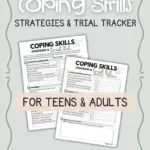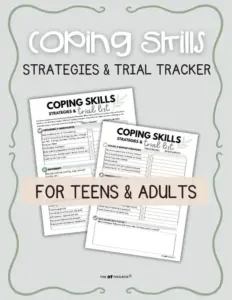







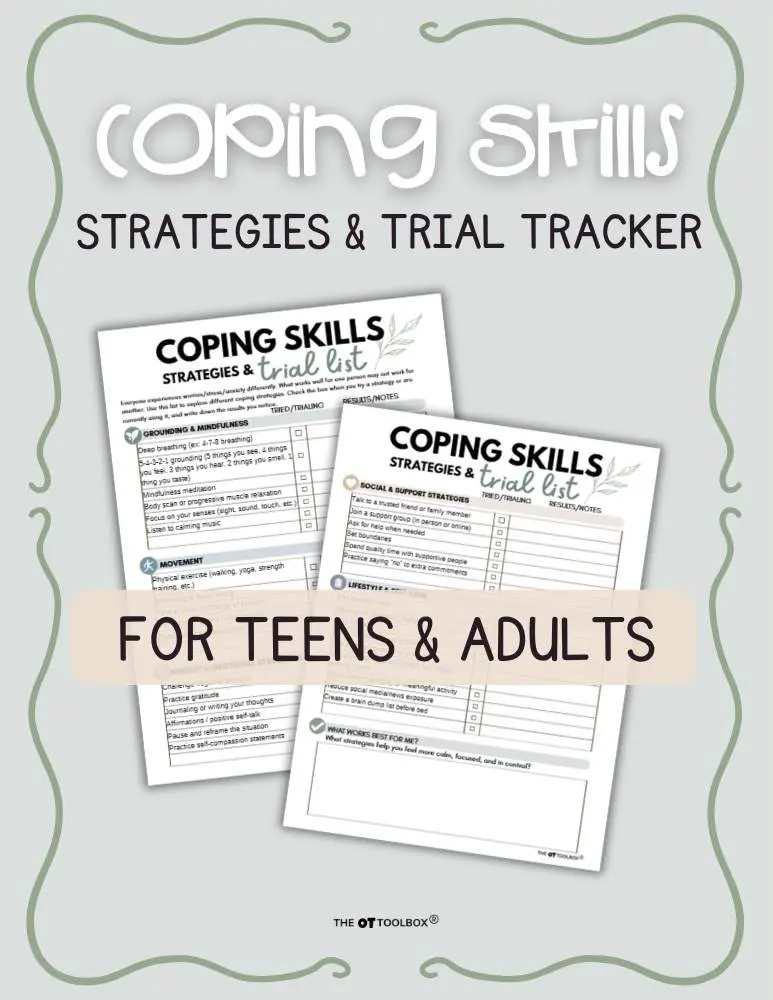
Mental health and occupational therapy advocates are rolling out a newly developed coping skills trial tracker designed to help individuals systematically explore and document strategies for managing anxiety. Developed as a practical extension of the Daily Cup Reset Project—a popular social media initiative focusing on nervous system regulation and self-regulation across platforms like Facebook, Instagram, and TikTok—the new printable resource aims to move people away from random techniques and toward intentional, structured self-care.
Anxiety continues to present differently across the population, making the search for effective relief uniquely challenging. While some individuals experience classic cognitive symptoms such as racing thoughts and difficulty concentrating, others report physical manifestations including muscle tension, headaches, stomach discomfort, restlessness, and fatigue. Because these symptoms frequently interfere with sleep, social participation, work performance, executive functioning, and daily routines, healthcare professionals have long emphasized that coping strategies must be individualized. A technique that brings calm to one person may have little to no effect on another, which is why structured exploration has become a cornerstone of modern therapeutic approaches.
The newly introduced printable worksheet encourages users to intentionally trial different approaches, monitor patterns, and build a personalized coping toolbox over time. Rather than cycling through various techniques out of desperation during moments of high stress, users can utilize the tracker to evaluate what genuinely works for their specific physiological and emotional needs. For occupational therapists, counselors, educators, and adults managing stress independently, the resource serves as a practical framework for self-reflection and emotional regulation.

Experts note that effective coping skills are not designed to eliminate anxiety completely. Instead, their primary function is to lower the intensity of stress responses and improve an individual’s participation in meaningful daily activities. By building awareness of how the body and mind respond to different stimuli, users can better identify the actions, routines, and strategies that support optimal functioning.
The resource encompasses a wide variety of therapeutic categories, beginning with grounding and mindfulness strategies. Anxiety frequently pulls an individual’s thoughts into future worries or repetitive mental loops. Grounding techniques, such as the widely recognized 5-4-3-2-1 sensory method, help interrupt this cycle by redirecting attention toward immediate sensory information in the environment. Similarly, relaxation breathing techniques and mindful awareness practices help regulate the autonomic nervous system, mitigating physical stress responses and encouraging individuals to notice emotional shifts before they escalate into overwhelm.
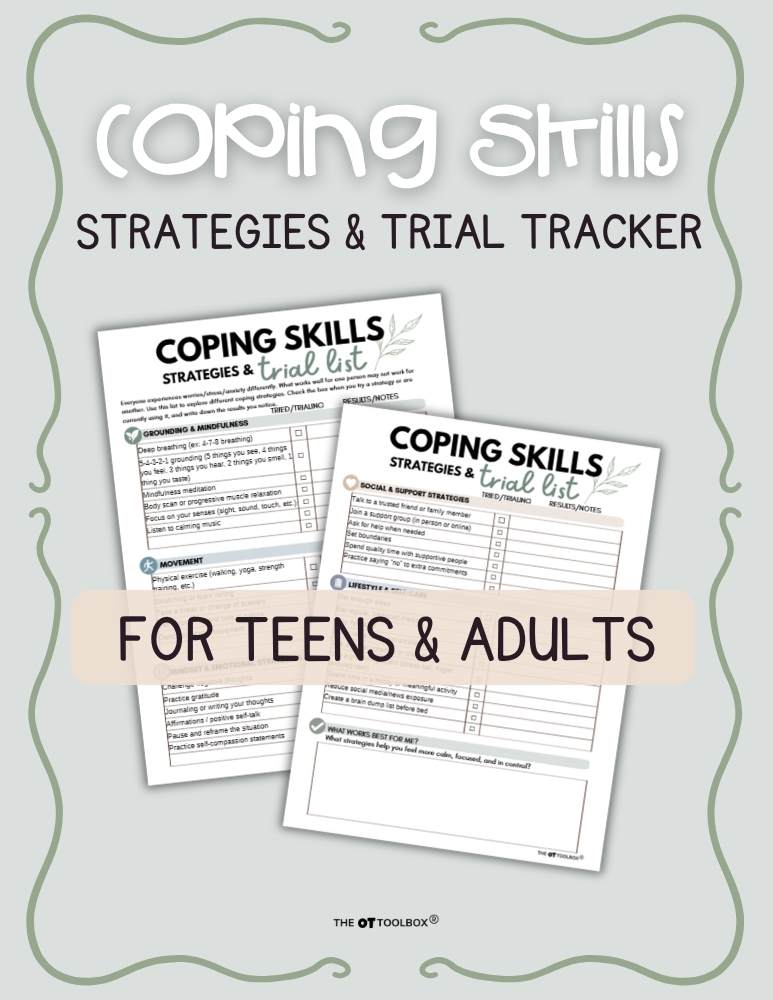
Physical movement and well-being also play a critical role in emotional regulation. Exercise helps increase endorphins and relieve physical tension, though movement does not necessarily require high-intensity workouts. Simple activities such as walking, stretching, yoga, or changing physical environments can offer significant nervous system support. In particular, heavy work activities provide proprioceptive input that fosters calming and enhances body awareness, making them valuable additions to a comprehensive sensory lifestyle or sensory diet.
In addition to physical and sensory approaches, the framework addresses thinking patterns and emotional regulation. Anxiety often triggers cognitive distortions such as catastrophizing, repetitive worries, negative self-talk, and executive functioning hurdles. To counter these challenges, the resource incorporates cognitive reframing, journaling, positive self-talk, and gratitude exercises. These tools help externalize worries, reduce the mental load of managing multiple racing thoughts, and foster a growth mindset.
Social support remains another vital pillar emphasized in the initiative. Many adults face internal or external pressure to manage stress entirely on their own, yet supportive relationships represent one of the strongest protective factors for emotional well-being. Connecting with trusted peers, family members, or professionals can significantly reduce emotional load and restore a sense of safety. Furthermore, foundational lifestyle habits—including consistent sleep patterns, adequate hydration, proper nutrition, and predictable daily routines—form the baseline of effective nervous system regulation.
A frequent obstacle in anxiety management is the tendency to test a coping strategy once, conclude that it does not work, and abandon it prematurely. To combat this, the new resource outlines clear distinctions between immediate strategies and those requiring cumulative practice. Techniques involving sensory input or deep breathing can create shifts within minutes, whereas cognitive reframing, habit changes, and broader lifestyle modifications often require repeated use over a period of one to two weeks before their benefits become apparent. Consistency is emphasized as a critical factor, as a strategy utilized only during moments of acute crisis may initially feel ineffective despite holding long-term potential.
To maximize the utility of the printable tracker, users are encouraged to document specific observations rather than broad generalizations. Tracking physical sensations, changes in focus, sleep quality, and subtle shifts in tension transforms the worksheet into an individualized data collection tool. Over time, these detailed notes allow individuals to identify clear patterns—such as whether movement-based interventions serve them better than cognitive exercises—ultimately leading to a more effective and personalized approach to daily anxiety management.