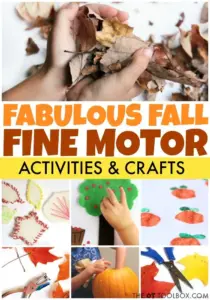





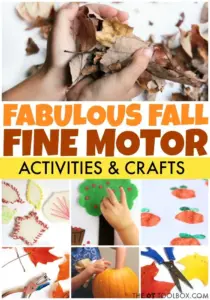



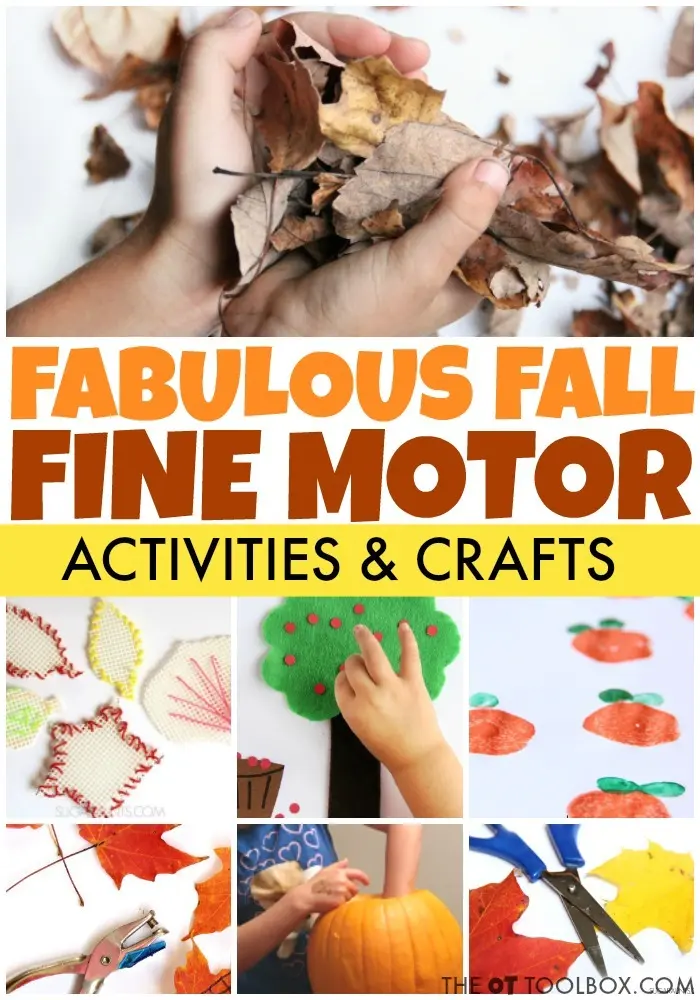
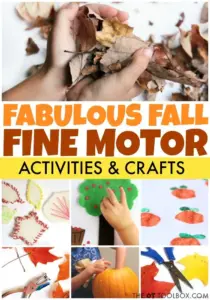
As the autumn air brings crisp temperatures and changing foliage, educators, occupational therapists, and parents are increasingly looking to seasonal themes to engage children in developmental play. Rather than choosing fall activities purely for their festive appeal, specialists are leveraging apples, pumpkins, leaves, and acorns to target specific, foundational fine motor needs in young learners, ranging from basic hand strength to complex visual-motor coordination.
The shift toward seasonal integration in developmental settings addresses a vital aspect of early childhood growth. Occupational therapy toolkits are currently seeing a surge in activities designed to enhance hand strength, finger dexterity, scissor proficiency, visual-motor integration, and handwriting endurance. Many of these autumn-inspired exercises naturally overlap, allowing practitioners to address multiple developmental targets simultaneously by simply adapting the materials to a child’s specific skill level.
To support this seasonal shift, developmental resources like the Fall Sensory Activities booklet are being widely utilized to promote both fine and gross motor movements through family-friendly sensory experiences. These initiatives highlight how natural seasonal shifts can be transformed into purposeful learning environments, helping children build the physical foundation necessary for everyday tasks such as buttoning clothing, opening containers, and mastering a proper pencil grasp.
Targeting Hand Strength Through Seasonal Play
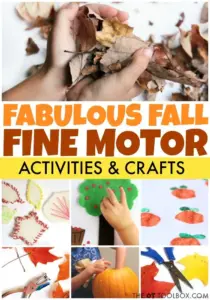
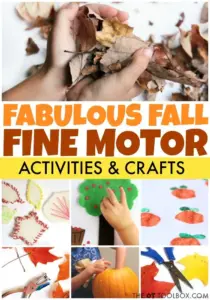
Hand strength remains a fundamental prerequisite for academic and daily living tasks, and autumn provides an abundance of tactile materials that naturally build resistance in small muscles. Specialists often turn to apple-themed geoboards, where children stretch rubber bands across pegs to recreate specific fruit designs. This physical manipulation provides necessary resistance to the fingers and hands while demanding precision and controlled release, simultaneously fostering bilateral coordination and motor planning.
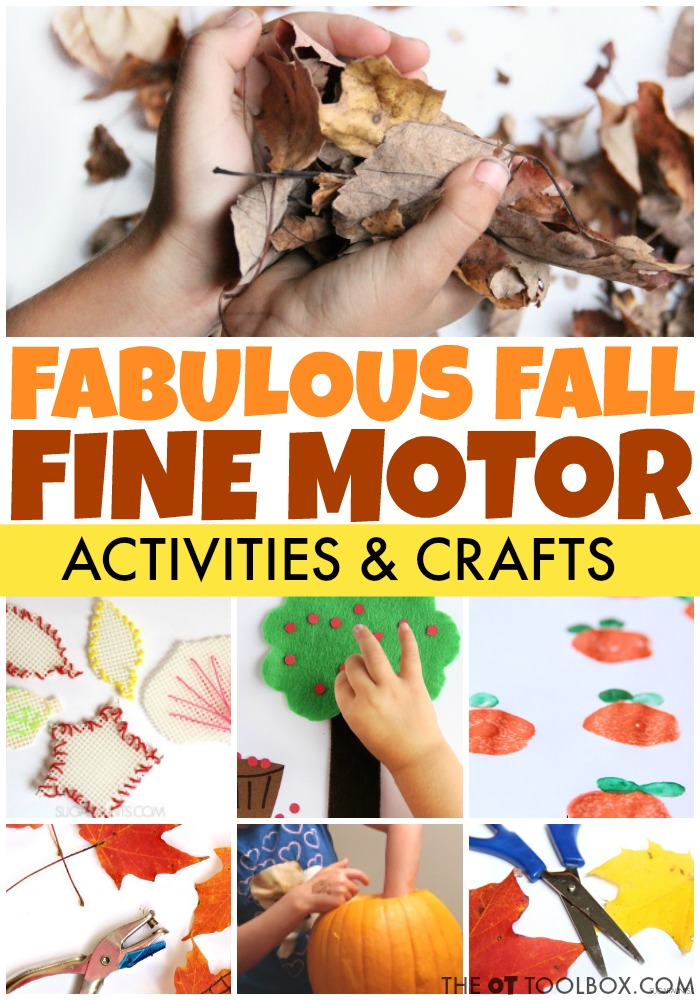
Play dough activities also take on a seasonal twist during the fall months, offering a resistive medium that naturally encourages pincer grasps, tripod grasps, wrist stability, and arch development. By hiding miniature leaves, seasonal erasers, or colored beads inside the dough, therapists create an engaging proprioceptive challenge that strengthens grip endurance without feeling like clinical work. Similarly, apple hole-punching exercises require sustained hand force while incorporating visual-motor planning as children carefully align the punch along the perimeter of printed designs.
Enhancing Manual Dexterity with Fall Manipulatives
Dexterity relies on the coordinated, precise movement of individual fingers—a complex skill area that can occasionally present bottlenecks in child development. Utilizing autumn manipulatives such as craft pom-poms, seeds, paper clips, and small craft items helps transform simple sorting tasks into targeted fine motor interventions.
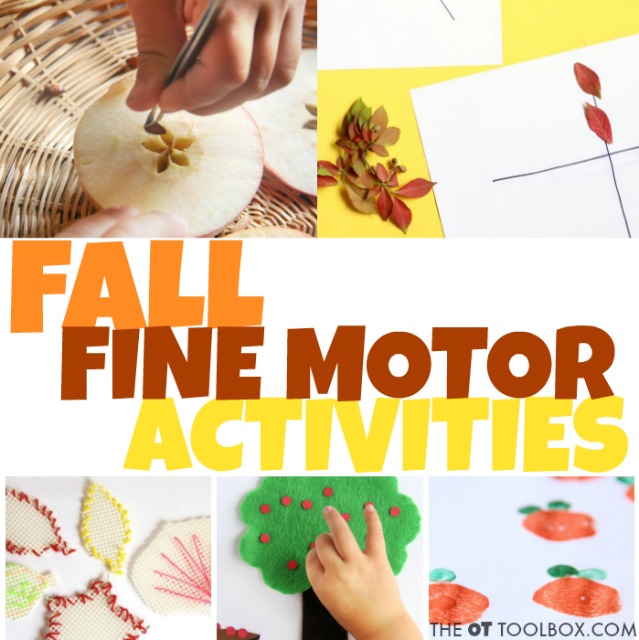
Activities involving fall tree geoboards or apple paper-clip counting cards require children to use their fingertips rather than their whole hands to grasp, stretch, and position materials. When children attach paper clips to laminated counting cards or use tongs and tweezers to transfer fall-colored pom-poms into ice cube trays, they actively refine their fingertip precision, eye-hand coordination, and bilateral hand use. These tasks gently bridge the gap between gross motor manipulation and refined, controlled finger movements.
Scissor Skills and Cut-and-Paste Crafting
Scissors present a unique bilateral coordination challenge, requiring the dominant hand to open and close the blades while the non-dominant helper hand stabilizes, rotates, and guides the paper. Fall-themed cutting practice pages, which feature designated lines and visual paths, allow children to practice these mechanics in a structured format.
Beyond standard paper practice, educators have introduced novel cutting exercises using actual fallen leaves when foliage is available, or paper leaves where natural options are scarce. Snipping leaves into small pieces or cutting around intricate edges promotes line awareness and blade control. Furthermore, farm-themed and seasonal cut-and-paste crafts elevate these physical requirements by demanding executive functioning skills. Children must cut out components, visually determine their correct orientation, follow a multi-step assembly sequence, and accurately glue the pieces into place, thereby integrating visual-spatial awareness with motor execution.
Bridging Visual-Motor Integration and Handwriting
Adequate hand strength and dexterity alone do not guarantee success in writing; children must also be able to coordinate what they see with how their hands move. Fall-themed directed drawing activities—featuring acorns, pumpkins, and leaves—require students to study a visual model, determine starting and ending points for pencil strokes, and reproduce spatial relationships on paper. Similar cognitive-motor links are forged through pattern block designs and seasonal "I Spy" seek-and-find sheets, which challenge children to practice visual scanning, figure-ground discrimination, and sustained attention while often incorporating fine motor markers like clothespins or small manipulatives.
When transitioning to handwriting, practitioners utilize structured fall writing prompts to move away from isolated letter practice and toward meaningful written expression. By adapting these prompts across developmental tiers—ranging from emerging writers producing a single seasonal word to older students composing complete paragraphs—educators can address individual goals for line awareness, letter spacing, size consistency, and writing endurance using a unified classroom resource.
No-Prep Options and Community Integration
For educators and parents seeking immediate, no-prep interventions, everyday natural items offer limitless possibilities. Gathering leaves allows for tearing, crumpling, punching, cutting, sorting, and stringing exercises. Acorns can be collected for counting and transfer tasks, while ordinary household items like plastic bread ties and clothespins provide surprising resistance for strengthening intrinsic hand muscles.
As professional networks continue to compile and share these seasonal strategies, comprehensive membership platforms—such as The OT Toolbox—offer centralized access to print-and-go resources designed to streamline session planning for occupational therapists and teachers alike. By embedding developmental goals into the sensory-rich experiences of the autumn season, professionals continue to find innovative ways to prepare children for the fine motor demands of daily life.