








As the school year winds down and families transition into the unstructured rhythm of summer vacation, parents, educators, and pediatric therapy providers face a familiar seasonal challenge. While summer offers a wealth of outdoor adventures, backyard explorations, and beach trips, the sudden disappearance of daily structure and the surge in screen time can disrupt children’s sensory processing and self-regulation. To address this seasonal shift, pediatric occupational therapists are emphasizing the importance of incorporating therapeutic, sensory-rich activities into everyday warm-weather routines.
Colleen Beck, OTR/L, a pediatric occupational therapist with more than two decades of clinical experience and founder of The OT Toolbox, has updated her comprehensive resources to help families and educators navigate the summer months. Designed for parents at home, teachers running summer school classrooms, and camp providers managing active groups, the updated guidance focuses on utilizing simple household items and everyday environments to meet children’s complex sensory needs without requiring expensive equipment.
Understanding the Summer Sensory Shift
During the school year, children rely heavily on predictable routines, structured classroom environments, and natural movement opportunities embedded throughout the day. When summer arrives, these anchors often disappear, sometimes leading to an increase in sedentary habits involving phones, tablets, and video games. Without adequate physical input, children may struggle with attention, emotional regulation, and body awareness.
Therapists note that summer life naturally provides an abundance of sensory-rich environments, from sandy beaches and community pools to local parks and backyards. By intentionally pairing daily sensory input strategies with simple movement opportunities, parents can help children regulate their nervous systems. Simple additions—such as carrying heavy beach buckets, digging in the sand, pushing wagons, or climbing playground equipment—deliver crucial proprioceptive and vestibular input that encourages active play and prepares children for learning and transitions.
Targeting Specific Sensory Systems Through Play
To make sensory integration accessible, occupational therapists often rely on activity menus tailored to specific sensory systems. This structured approach allows parents to identify and select tasks that address their child’s unique developmental profile.
Proprioceptive input, which helps the body understand where it is in space, is vital for developing body awareness, coordination, motor planning, and self-regulation. During the summer, heavy work activities such as gardening, yard work, pushing wagons, and navigating playground structures provide the deep muscle and joint input necessary to organize the nervous system. These activities support attention span and emotional readiness while keeping children physically active.
Similarly, the vestibular system, which governs balance, movement, and head position, thrives during outdoor summer play. Swinging, rolling down grassy hills, swimming, navigating obstacle courses, and racing on scooter boards offer essential vestibular input. Incorporating these dynamic movements helps offset the potential deficits caused by excessive screen time, supporting postural control, visual attention, and overall neurological regulation.
Tactile and oral motor systems also benefit significantly from seasonal changes. The tactile system, responsible for interpreting touch, develops through hands-on exploration of sand, water, grass, mud, shaving cream, finger paint, and gardening materials. Meanwhile, oral motor activities—such as drinking smoothies through straws, blowing bubbles, chewing on crunchy fruits and vegetables, enjoying frozen treats, and playing with whistles or pinwheels—strengthen the muscles used for eating, drinking, speech, and breathing while delivering calming sensory input.
Streamlining Routines with Sensory Circuits
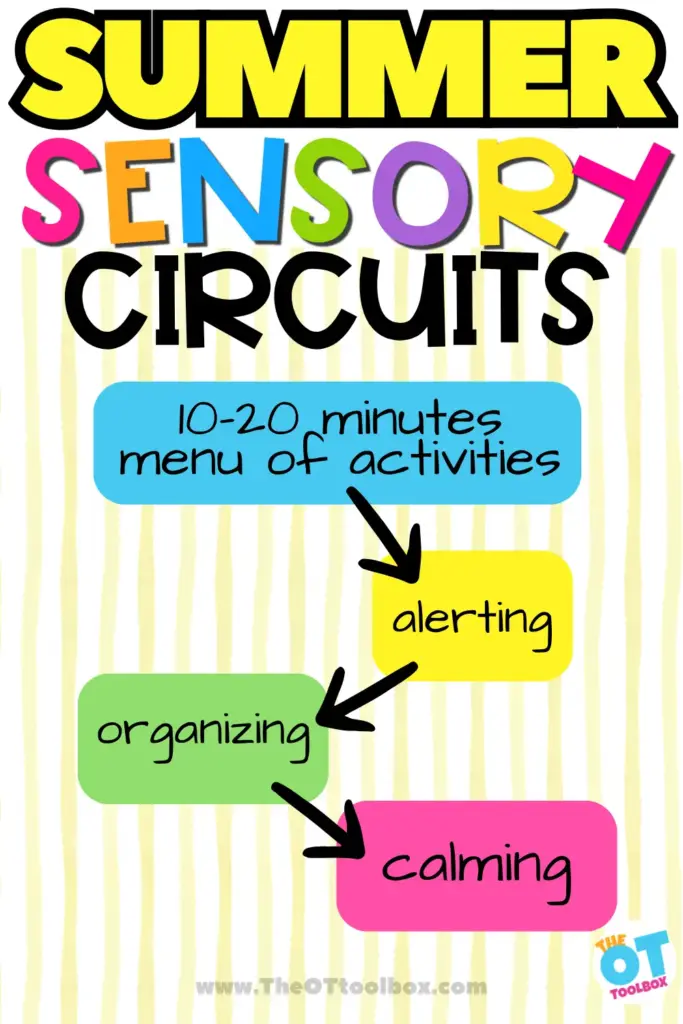
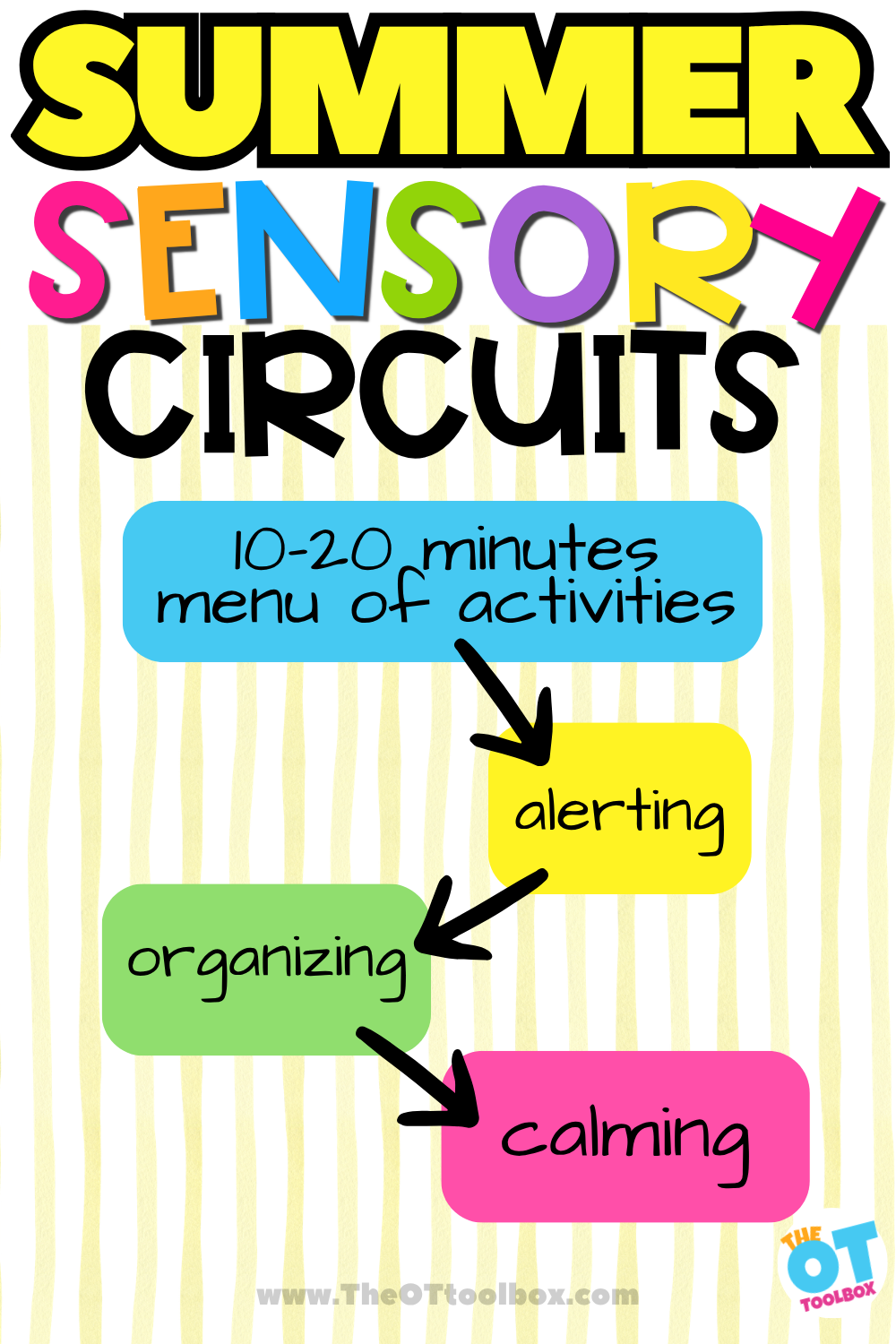
For summer school classrooms, camps, and busy households, maintaining a traditional, continuous sensory diet can sometimes prove challenging. To bridge this gap, educators and therapists frequently utilize sensory circuits—a structured, predictable 10-to-20-minute routine designed to help children achieve the "just right" level of alertness.

A sensory circuit simplifies sensory management by organizing activities into a specific, neurological progression. The routine begins with alerting activities, such as controlled vestibular and proprioceptive movements designed to wake up the brain and body. This is followed by organizing activities that require motor planning, balance, and timing to help children center their thoughts and coordinate their movements. Finally, the circuit concludes with calming activities involving deep pressure and resistance, ensuring children finish the sequence regulated and ready for quiet time or transitions.
Experts suggest that implementing such a circuit first thing in the morning or immediately following a chaotic midday break can establish a positive behavioral anchor, helping children respond more flexibly to changing environments and unexpected sensory inputs.
Leveraging Accessible Tools and Community Resources
Beyond structured circuits, everyday summer staples can double as powerful therapeutic instruments. Pool noodles, for instance, offer an inexpensive, lightweight, and versatile tool for building balance, bilateral coordination, and gross motor confidence. Similarly, water play engages multiple sensory systems simultaneously, providing continuous tactile input, improving hand strength through squeezing sponges or spray bottles, and fostering visual motor integration.

Nature exploration further enriches summer programming by encouraging children to collect leaves, rocks, sticks, and flowers for collages, nature bracelets, and sensory bins. These low-cost, high-engagement activities require minimal preparation while supporting essential developmental milestones.
To support parents, teachers, and clinicians throughout the season, professional platforms like The OT Toolbox continue to provide comprehensive digital packets, activity guides, and printable resources. These materials—ranging from sensory-focused summer camps at home to specialized occupational therapy bundles—aim to equip caregivers with practical, therapist-approved strategies that ensure children remain balanced, engaged, and developmentally supported all summer long.