








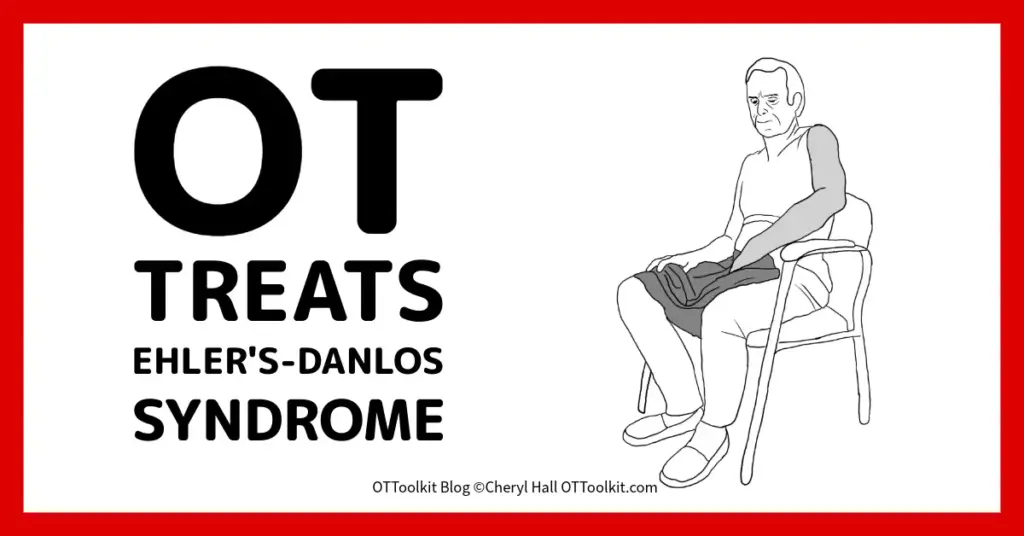
The collaborative spirit of the occupational therapy community is one of its most enduring strengths. Recently, that spirit led to a significant development in clinical resources when a practicing occupational therapist from Tennessee reached out with a poignant request. The therapist noted that a patient living with Ehlers-Danlos Syndrome (EDS) had expressed frustration regarding the lack of a dedicated treatment guide for their condition within the Occupational Therapy Toolkit. This inquiry, highlighting a gap in available clinical resources, has prompted a commitment to expand the toolkit’s offerings to better serve this unique patient population.
Ehlers-Danlos Syndrome is a rare, complex condition that many clinicians may not encounter frequently in their day-to-day practice. For many occupational therapists, it represents a specialized area of care that requires a nuanced understanding of connective tissue disorders. Because occupational therapy interventions are instrumental in easing symptoms, fostering independence, and significantly improving the overall quality of life for those with EDS, the decision to incorporate a formal EDS treatment guide into the next edition of the Occupational Therapy Toolkit is a direct response to the needs expressed by both patients and their advocates in the field.
Given that the 8th edition of the Occupational Therapy Toolkit was only recently released in 2024, the inclusion of a dedicated section for EDS will be a primary focus for future updates. In the interim, it is vital to explore how the principles of occupational therapy intersect with the multifaceted challenges of Ehlers-Danlos Syndrome, providing a framework for clinicians currently supporting these patients.
Understanding the Clinical Challenges of Ehlers-Danlos Syndrome
At its core, Ehlers-Danlos Syndrome is a group of connective tissue disorders that fundamentally impact the body’s ability to produce and utilize collagen. Collagen is the structural protein that provides strength and elasticity to skin, tendons, ligaments, blood vessels, and internal organs. With thirteen distinct types of EDS currently identified, each characterized by its own specific genetic origin, the clinical presentation can vary widely from one patient to another.
The most common hallmarks of the condition include generalized joint hypermobility, persistent joint instability, and chronic pain. Furthermore, patients often present with fragile skin that is highly susceptible to tearing, bruising, and poor wound healing. Beyond the musculoskeletal and integumentary systems, the syndrome is often systemic in nature. Patients frequently report significant fatigue, dizziness upon standing—often related to autonomic dysfunction—and a variety of digestive concerns. Because the condition is systemic and affects multiple bodily systems, the role of the occupational therapist is crucial in synthesizing these disparate symptoms into a coherent, manageable treatment plan that focuses on the patient’s functional goals.
The Role of Occupational Therapy Interventions
Occupational therapy for patients with Ehlers-Danlos Syndrome is not merely about symptom management; it is about empowering the individual to navigate their daily life with greater agency and comfort. Several key pillars of intervention serve as the foundation for this therapeutic approach.
Joint protection is perhaps the most immediate concern for many patients. Occupational therapists play a vital role in mitigating the painful hyperextension and chronic discomfort that characterize EDS. This is achieved through a combination of patient education on safe movement patterns, task modification to reduce stress on joints, and the custom design or fitting of splints. By stabilizing vulnerable joints, therapists can help prevent secondary injuries and allow patients to engage in daily activities with less fear of instability.
Energy conservation is another essential component of the therapeutic strategy. Because fatigue is a debilitating symptom for many individuals with EDS, therapists work closely with patients to implement pacing and planning strategies. This involves analyzing the energy demands of various tasks and identifying modifications that allow the patient to achieve their goals without inducing a "boom-and-bust" cycle of activity. By restructuring how daily tasks are performed, patients can maintain a higher level of independence while managing their baseline fatigue levels.
Adaptive equipment is frequently utilized to augment these efforts. Beyond aiding in joint protection and energy conservation, specialized equipment can be instrumental in fall prevention and enhancing community mobility. Whether it involves the use of assistive devices for navigation or modifications to household items, the goal remains the same: to remove environmental barriers and promote safety.
Ergonomics also plays a central role in the occupational therapy intervention plan. Therapists evaluate the environments where patients spend the most time—including work, school, and the home—to ensure that the setup is optimized for the individual’s physical needs. This might involve recommending specialized furniture, ergonomic software, or adjustments to workstation layouts that limit repetitive movements and reduce the associated strain on joints.
Another specialized area of focus is proprioception. Due to the inherent nature of joint hypermobility, patients with EDS often struggle with their proprioceptive sense—the body’s ability to perceive its position, movement, and location in space. This sensory deficit can contribute to clumsiness, balance issues, and further joint damage. Occupational therapists utilize targeted therapeutic exercises designed to enhance proprioceptive feedback and improve body awareness, thereby protecting joint health and increasing the patient’s confidence in physical movement.
Finally, the comprehensive care provided by an occupational therapist must account for the many co-occurring symptoms that accompany EDS. It is common for patients to face significant sleep disturbances, mental health challenges related to chronic illness, persistent migraines, gastrointestinal issues, and various autoimmune disorders. While the therapist’s primary focus is functional performance, they can provide critical interventions, environmental modifications, and coping strategies that help patients manage these complex co-occurring conditions, effectively bridging the gap between medical treatment and daily living.
Resources for Clinicians
While the Occupational Therapy Toolkit continues to evolve to include a dedicated guide for Ehlers-Danlos Syndrome, the current edition remains a robust resource for therapists who are already working with these patients. The existing material in the toolkit provides a wide range of treatment guides, activities of daily living (ADL) and mobility handouts, educational materials, and therapeutic exercise protocols that can be adapted to meet the specific requirements of someone living with EDS.
For those seeking to deepen their clinical knowledge of the condition, external resources are invaluable. The Ehlers-Danlos Society stands as a primary authority on the syndrome, offering extensive information on the genetic causes, diagnostic criteria, and management strategies for the various types of EDS. Their website is a comprehensive hub for healthcare professionals, featuring continuing education opportunities, the latest research findings, and a searchable directory of medical experts and specialists who have dedicated their careers to treating patients with Ehlers-Danlos Syndrome.
The feedback from the occupational therapist in Tennessee serves as a reminder that the field of occupational therapy is best served when its practitioners remain engaged and communicative. The development of clinical resources is a collaborative process, one that relies on the observations and experiences of therapists on the front lines of patient care. Those who have ideas, suggestions, or requests for future editions of the Occupational Therapy Toolkit are encouraged to reach out directly to share their insights, ensuring that the resources provided remain relevant, evidence-based, and highly effective for the diverse populations that occupational therapists serve.