The occupational therapy community thrives on the collaborative exchange of ideas, and recent feedback from a practitioner in Tennessee has highlighted a significant opportunity for growth within one of the field’s most relied-upon resources. Cheryl, the author behind the widely utilized Occupational Therapy Toolkit, recently shared an update regarding the expansion of her clinical materials to include Ehlers-Danlos Syndrome (EDS), a condition that has historically been underrepresented in standard practice guides. This development was prompted by an inquiry from an OT who noted the absence of a dedicated treatment guide for patients navigating the complexities of this connective tissue disorder.
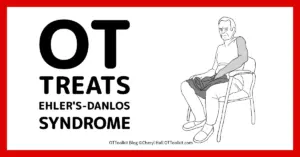
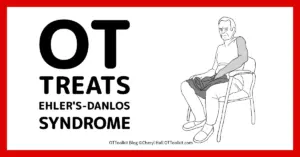
Ehlers-Danlos Syndrome is a rare and multifaceted condition that falls outside the typical scope of many generalist occupational therapy practices. Recognizing the importance of addressing the diverse needs of patients with EDS, the Occupational Therapy Toolkit will incorporate a specialized treatment guide in its upcoming edition. This decision underscores the vital role that occupational therapists play in easing symptoms, fostering independence, and enhancing the overall quality of life for those living with the syndrome. Although the 8th edition of the Toolkit was only recently released in 2024, the immediate need for clinical guidance regarding EDS has spurred a commitment to integrating these essential resources into the practitioner’s library.
Understanding Ehlers-Danlos Syndrome and the Need for Intervention
To appreciate why this expansion is so critical, it is necessary to understand the nature of Ehlers-Danlos Syndrome. It is a group of connective tissue disorders that fundamentally impact how the human body synthesizes and utilizes collagen. Collagen is the primary protein providing structure, strength, and elasticity to the skin, joints, blood vessels, and internal organs. When this process is compromised, the effects are systemic. Currently, researchers have identified 13 distinct types of EDS, each driven by specific genetic markers and presenting with a unique spectrum of challenges.
The hallmark symptoms that often bring patients to an occupational therapist include generalized joint hypermobility, persistent joint instability, and chronic pain. Beyond the musculoskeletal system, patients frequently deal with fragile skin that is prone to tearing, bruising easily, and healing slowly. The systemic nature of the condition means that patients also grapple with debilitating fatigue, episodes of dizziness or lightheadedness when transitioning from sitting to standing, and complex gastrointestinal issues. Given the multisystemic nature of these symptoms, the role of an occupational therapist is indispensable in helping patients manage their daily activities and mitigate the impact of their condition on their long-term health.
The Role of Occupational Therapy in Managing EDS
Occupational therapy offers a comprehensive approach to managing Ehlers-Danlos Syndrome by focusing on functional independence and symptom mitigation. One of the primary areas of intervention is joint protection. Because hypermobility can lead to frequent subluxations and chronic pain, therapists work with patients to modify their approach to daily tasks. This often involves instructing patients in safe movement patterns to avoid painful hyperextension and, when necessary, designing and fitting custom splints to provide stability to compromised joints. By teaching patients how to perform activities of daily living with reduced stress on their joints, OTs can significantly improve a patient’s comfort and prevent secondary injuries.
Energy conservation represents another cornerstone of treatment for those with EDS. Chronic fatigue is a pervasive symptom for many patients, making standard daily routines exhausting. Occupational therapists collaborate with patients to develop effective pacing and planning strategies, ensuring that physical energy is distributed throughout the day in a sustainable manner. By analyzing task requirements and modifying environments to reduce physical demand, therapists help patients maintain a level of independence that might otherwise be compromised by systemic exhaustion.
Adaptive equipment also plays a pivotal role in the therapeutic toolkit. Beyond supporting joint health and conserving energy, therapists may recommend specific devices to enhance safety and community mobility. This includes tools that assist with fall prevention, as EDS patients often struggle with balance and spatial awareness. Ergonomics in work, school, and home environments are equally important. Therapists perform thorough evaluations of these spaces to ensure that workstations and living areas are set up for optimal support, recommending equipment or software that minimizes the need for repetitive, strain-inducing movements.
Perhaps most specialized is the focus on proprioception. Because hypermobility can disrupt a patient’s internal sense of their body’s position, movement, and location in space, they may be at higher risk for accidents or joint damage. Occupational therapists utilize targeted therapeutic exercises designed to enhance proprioceptive feedback, which in turn helps protect joint health and improves overall movement coordination.
Addressing Co-occurring Conditions and Holistic Care
The clinical challenge of EDS is often exacerbated by a range of co-occurring symptoms. Many patients manage sleep disturbances, mental health struggles, frequent migraines, and autoimmune disorders alongside their primary diagnosis. These factors can create a compounding effect on a patient’s ability to function in their daily life. Occupational therapists are uniquely positioned to provide interventions and modifications that address these secondary concerns, offering a holistic framework that treats the patient as a whole person rather than just a set of isolated symptoms.
While the Occupational Therapy Toolkit does not currently house a specific, dedicated treatment guide for EDS, the resource remains a robust collection of materials that can be adapted for these patients. The existing library of treatment guides, ADL and mobility handouts, educational materials, and therapeutic exercise protocols provides a strong foundation for any therapist working with complex connective tissue disorders. The addition of a new, dedicated guide will streamline this process, ensuring that practitioners have the most effective, evidence-based tools at their fingertips.
Professional Collaboration and Future Resources
The initiative to include EDS in the Toolkit highlights the value of the open channel between the author and the professional community. By inviting feedback from practicing OTs, the Toolkit remains a living resource that evolves alongside the needs of the patients it serves. For therapists looking to expand their knowledge on Ehlers-Danlos Syndrome, the author recommends consulting The Ehlers-Danlos Society, which offers a wealth of resources, including clinical research, continuing education opportunities, and a directory of healthcare professionals who specialize in the condition.
As the field of occupational therapy continues to adapt to the needs of patients with rare conditions, this commitment to ongoing development serves as a model for how clinicians and creators can collaborate. By listening to the needs of those on the front lines of patient care, resources like the Occupational Therapy Toolkit can ensure that they provide the most relevant and effective support possible. Practitioners are encouraged to continue sharing their clinical experiences and suggestions, ensuring that the resources they rely on remain as dynamic as the patients they treat. Those who wish to contribute ideas or request additions to the collection are encouraged to reach out to the author directly to ensure that the next editions of the guide continue to bridge the gaps in clinical knowledge.