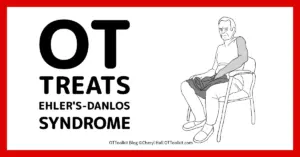



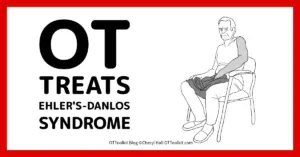







The Occupational Therapy Toolkit, a widely utilized resource for clinicians, is set to expand its scope of practice documentation to address the complex needs of patients living with Ehlers-Danlos Syndrome (EDS). This development follows a direct appeal from a practitioner based in Tennessee who reached out to the toolkit’s author, noting a gap in current clinical guidance for this specific patient population. As occupational therapy continues to play a vital role in managing chronic, systemic conditions, the inclusion of EDS-specific protocols marks a significant step in supporting clinicians who treat this rare but impactful connective tissue disorder.
Ehlers-Danlos Syndrome is a group of rare, inherited disorders characterized by defects in the body’s connective tissue. Because connective tissue provides the essential scaffolding for the skin, joints, blood vessels, and internal organs, the clinical manifestations of EDS can be wide-ranging and highly individualized. While the author of the Occupational Therapy Toolkit acknowledges that they had not personally treated an EDS patient during their own clinical practice, the request from the Tennessee-based therapist highlighted the growing need for specialized, evidence-based intervention strategies. Given the success of the 8th edition of the toolkit, which was released in 2024, the author has committed to incorporating a dedicated EDS treatment guide into future editions to ensure therapists have the resources necessary to improve independence and quality of life for this cohort.
The complexity of EDS stems from how the body synthesizes and utilizes collagen. Currently, medical researchers have identified 13 distinct types of the syndrome, each linked to specific genetic mutations. Despite the clinical diversity, many patients share common symptoms that significantly impact their daily lives. These include joint hypermobility—where joints move beyond their normal range—which frequently leads to chronic instability, recurrent subluxations, and persistent pain. Beyond the musculoskeletal system, patients often face fragile, hyperextensible skin that is prone to bruising and delayed healing. Furthermore, the systemic nature of the disorder frequently results in secondary issues such as profound fatigue, postural orthostatic tachycardia syndrome (POTS) which causes dizziness upon standing, and complex gastrointestinal concerns.

Occupational therapists are uniquely positioned to address these challenges because their practice focuses on the intersection of physical ability, environmental adaptation, and meaningful engagement in daily occupations. For patients with EDS, the primary objective of occupational therapy is often to mitigate the impact of hypermobility and systemic fatigue through proactive management strategies.
One of the most essential interventions involves comprehensive joint protection programs. Because hypermobility can lead to chronic hyperextension and cumulative micro-trauma, therapists work to modify task performance to reduce strain. This may involve training patients in body mechanics that prioritize joint stability, providing education on safe, non-traumatic exercise, and designing or fitting custom splints to provide external support for unstable joints. By stabilizing joints during daily activities, therapists can significantly reduce pain levels and prevent long-term orthopedic complications.
Fatigue management is another pillar of clinical care for EDS patients. Many individuals with this syndrome experience a level of exhaustion that is not easily resolved by sleep alone. Occupational therapists employ energy conservation techniques, which involve helping patients map out their daily routines to include structured pacing and deliberate planning. By breaking down tasks into manageable components and modifying how those tasks are performed, therapists help patients avoid the "boom-and-bust" cycle of activity, allowing them to remain active without triggering severe crashes in energy levels.

In addition to activity modification, therapists often look to adaptive equipment to facilitate independence. Whether the patient is experiencing a flare-up of pain or requires long-term assistance, equipment can serve as a vital tool for fall prevention and community mobility. When evaluating a patient’s living, work, or school environment, therapists provide ergonomic assessments that are critical for individuals with connective tissue disorders. These assessments ensure that the patient’s physical setup minimizes repetitive stress and joint strain, often involving the recommendation of specialized hardware or software that allows the patient to engage in work or academics without exacerbating their condition.
Proprioception, or the body’s ability to sense its position and movement in space, is frequently compromised in patients with hypermobility. When the brain does not receive accurate feedback from the joints, it can lead to clumsiness or a lack of coordination, which further increases the risk of injury. Occupational therapists utilize targeted therapeutic exercises designed to enhance proprioceptive input, helping patients gain a better sense of their body in space, which in turn protects joint health and enhances safety during daily movement.
The clinical picture for EDS is rarely limited to musculoskeletal symptoms alone. Many patients navigate a constellation of co-occurring conditions, including sleep disturbances, mental health challenges related to chronic illness, persistent migraines, and various autoimmune or gastrointestinal issues. The role of the occupational therapist in this context is to act as a bridge, providing holistic interventions and lifestyle modifications that help the patient navigate these complex, often invisible symptoms. While the current Occupational Therapy Toolkit does not yet feature a dedicated EDS treatment guide, the existing resources—including comprehensive sections on ADL (Activities of Daily Living) mobility, general therapeutic exercises, and educational handouts—remain highly applicable to the diverse needs of EDS patients.
The author emphasizes that the decision to expand the toolkit is rooted in the collaborative spirit of the occupational therapy community. By inviting feedback from practicing clinicians, the toolkit ensures that its content remains relevant to the evolving landscape of patient care. For those seeking deeper medical context, the author points to The Ehlers-Danlos Society as an essential resource. The organization provides specialized materials for healthcare professionals, including advanced continuing education, the latest research, and a comprehensive directory of medical experts who have dedicated their careers to the study and treatment of EDS.
As the field of occupational therapy continues to adapt to the needs of patients with rare conditions, the dialogue between authors of clinical resources and practitioners in the field remains a vital mechanism for improvement. The author encourages other therapists to continue sharing their insights and suggestions, noting that the growth of the Occupational Therapy Toolkit is directly linked to the dedication and observational expertise of the therapists who use it daily. Those wishing to contribute ideas for future updates or to discuss specific clinical needs are invited to contact the author directly, ensuring that the toolkit continues to evolve as a responsive and essential resource for clinicians across the country.