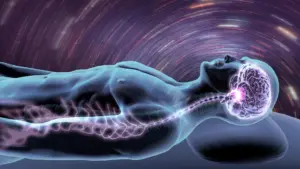










The first sip of black coffee is rarely a pleasant experience. For the uninitiated, its sharp, intense bitterness triggers an instinctive biological warning system. Evolution has hard-wired the human brain to be suspicious of bitter tastes, which in nature are often associated with toxicity or spoiled sustenance. Yet, for millions of people worldwide, that initial aversion eventually gives way to a genuine, daily appreciation for the drink. The morning cup of coffee, once rejected, becomes a ritualized pleasure. For years, the mechanism behind this transition—how the brain recalibrates its preferences—remained a mystery. Now, researchers at the University of California, San Francisco (UCSF), have uncovered a critical biological pathway that explains how we learn to love flavors that our instincts once told us to avoid.
A New Understanding of Dopamine
The findings, published on November 4 in the journal Nature, reveal a sophisticated, previously under-researched dopamine pathway that acts as a bridge between the digestive system and the brain. While dopamine is widely recognized as the brain’s primary chemical messenger for motivation, reward, and learning, the scientific community has historically focused on its "fast" signals. These rapid-fire dopamine bursts occur within seconds of encountering a stimulus—such as the sight of a decadent dessert or the aroma of a favorite meal—and serve as a prompt for immediate action.
However, the UCSF team, led by senior author Zachary Knight, PhD, a professor of Physiology, identified a different, slower-acting dopamine system. This pathway does not respond to the external sensory appearance of food, but rather to the internal chemical reality of what happens after we eat. It allows the brain to process the nutritional benefits of a substance long after the initial taste sensation has passed.

"We’ve shown that this slow dopamine system is what drives us to learn to like certain foods over time, and we can see where and how that happens," Knight explained. This discovery provides a long-sought explanation for the evolution of taste preference: once the brain successfully links the sharp, bitter taste of coffee with the subsequent surge of energy and alertness provided by caffeine, the brain "rewires" its perception. The coffee begins to taste better because the brain has been taught that the flavor is a reliable predictor of a positive, stimulating consequence.
The Mechanism of Internal Reward
For decades, neuroscientists have studied the relationship between dopamine and behavioral reinforcement. While the fast-acting, impulsive reward system is well-documented, the slow-motion, "background" system identified by Knight’s team has received minimal attention. According to Knight, this process is largely subconscious, operating silently as the digestive system performs its work.
When food enters the digestive tract, specialized sensors within the gut detect specific nutrients, most notably sugars and fats. Upon detection, these sensors trigger a cascade of signals that travel toward the brain. In the study, Knight and co-researcher James Grove, then a graduate student, monitored dopamine activity in the brains of mice while introducing nutrients directly into their stomachs. By bypassing the oral cavity, the researchers were able to isolate the physiological impact of the nutrients themselves from the subjective experience of flavor.
The results were striking. The infusion of sugar water or liquid nutrients stimulated a powerful, prolonged dopamine response in a specific brain region known as the anterior basolateral amygdala, or BLA. The amygdala is a complex structure deeply involved in emotional processing and the formation of associative memories. While scientists had long known that dopamine was present in the BLA, its precise role in nutrient-based learning had remained elusive. With this study, researchers were finally able to map the specific circuit that connects gut-derived nutrient signals to the brain’s learning centers.
Rewiring Preferences
To confirm that this dopamine signal was truly responsible for changing food preferences, the research team conducted a series of experiments to manipulate the pathway. In the first phase, they surgically or chemically interrupted the newly identified BLA pathway in mice. The results were telling: while the animals continued to eat normally, they were no longer able to learn that a previously neutral or unpleasant flavor was associated with a caloric reward. They had effectively lost the ability to "acquire" a new taste preference.
In the second phase, the team reversed the process. They introduced a flavor that contained no calories, and therefore no nutritional reward. However, as the mice tasted the flavor, the researchers artificially activated the dopamine fibers in the BLA. Remarkably, the mice developed a strong preference for that flavor, despite the fact that it provided zero nutritional value. By stimulating the pathway, the researchers had artificially reproduced the exact learning signal that the gut would normally generate during the digestion of actual nutrients. These experiments confirmed that this dopamine system is the biological "teacher" that instructs the brain on which flavors are worth seeking out in the future.
Asymmetry in the Brain
A particularly surprising aspect of the discovery emerged when the researchers sought to replicate the findings in human subjects. Collaborating with psychologists and neuroscientists from Yale University and beyond, the team analyzed data from previous positron emission tomography (PET) and functional magnetic resonance imaging (fMRI) studies.
Dana Small, PhD, a psychologist at Yale, revisited data from a study involving 13 men who had consumed either a caloric milkshake or a non-caloric drink. Her analysis revealed that the dopamine release in response to nutrients was not evenly distributed; it was highly concentrated in the left side of the BLA. This finding was corroborated by a separate fMRI study led by Marc Tittgemeyer, which examined 38 adults after they consumed glucose. The data showed increased activity in the same region, consistently skewed toward the left hemisphere.
This lateralization was unexpected. In neuroscience, systems responsible for fundamental survival functions—such as feeding—are typically assumed to be symmetrical, functioning across both hemispheres to ensure redundancy and stability. The fact that the left BLA plays a more prominent role in this gut-brain learning circuit suggests a level of complexity in the brain’s architecture that scientists are only beginning to grasp. Knight’s laboratory is currently investigating why this asymmetry exists and what it might reveal about the evolution of the human brain.
Implications for Appetite and Treatment
The identification of this pathway has far-reaching implications, not just for understanding our love of coffee or complex foods, but for addressing metabolic health and eating behaviors. As the medical community increasingly focuses on the role of the gut-brain axis, this discovery raises the possibility that we might one day influence food cravings and preferences through targeted medical intervention.
One area of significant interest involves GLP-1 medications—the class of drugs currently revolutionizing weight management by mimicking gut hormones. While the UCSF study did not explicitly test these medications, Knight suggests that their efficacy in altering appetite might be partially explained by their interaction with this newly mapped dopamine pathway. It is possible that these drugs reduce the dopamine signals generated when nutrients hit the gut, thereby weakening the brain’s reinforcement of high-calorie or highly rewarding foods. If the brain receives a "muted" signal, the desire to consume those foods might naturally fade over time.
For now, this remains a compelling hypothesis, but it opens a new frontier in the treatment of obesity and disordered eating. Instead of focusing solely on appetite suppression or metabolic speed, future treatments might focus on "fine-tuning" the learning process itself. By understanding the chemical conversation between the gut and the brain, scientists could potentially help individuals develop healthier preferences, effectively retraining the brain to find satisfaction in different types of nutrition.
Ultimately, the UCSF study provides a fascinating look at the internal dialogue that shapes our daily lives. Whether it is a child learning to like vegetables or an adult developing a taste for bitter espresso, our preferences are not static. They are the result of a persistent, subtle, and incredibly sophisticated communication network that continues to shape our desires long after we have finished our meals. As research continues, the bridge between the gut and the brain promises to offer new insights into the fundamental question of why we eat what we eat.